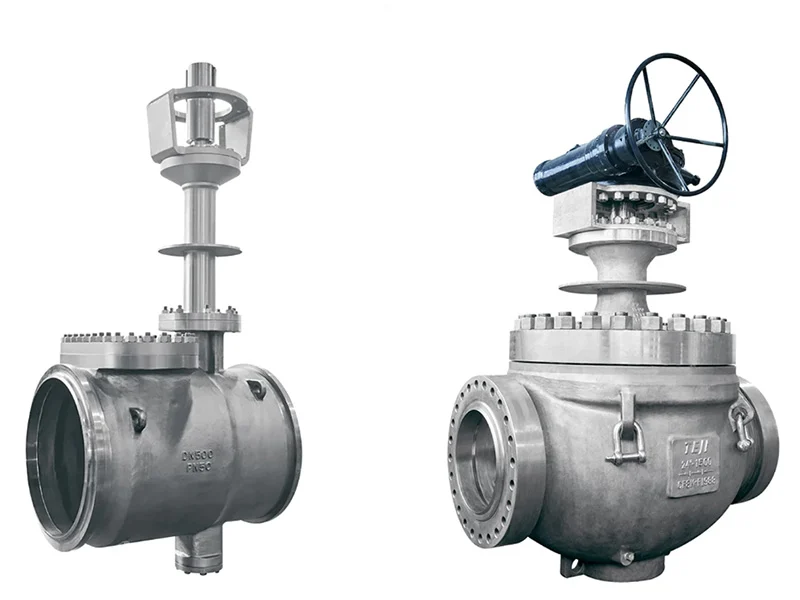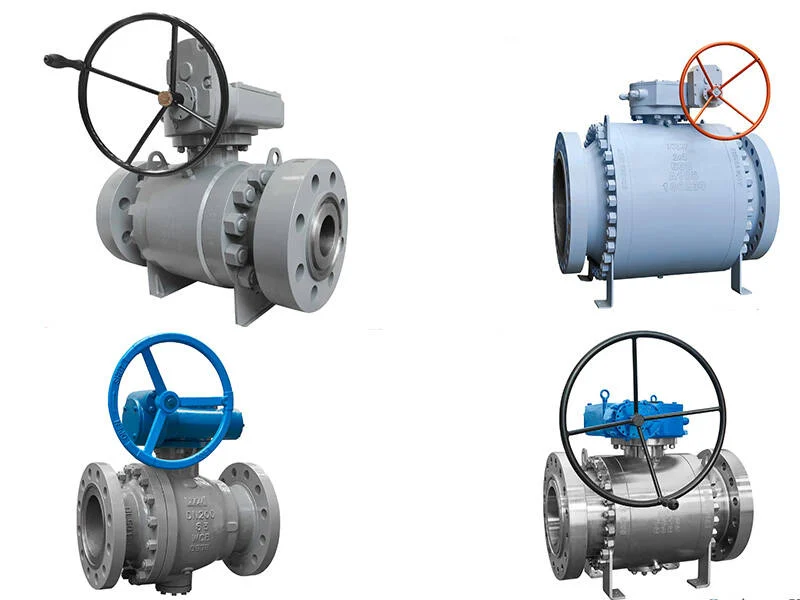
A battery’s chemical system, internal pressure dynamics, and thermal characteristics dictate the selection of valves for both battery cell safety systems and manufacturing processes. Different battery types require specific valve designs, materials, and actuation methods to prevent leakage, corrosion, and thermal runaway.
Because battery types vary significantly in terms of media characteristics, production processes, and safety requirements, this article outlines key considerations for valve selection across four different battery types.
1.Lithium-ion Batteries
1.1 Ternary Lithium Batteries
Ternary lithium batteries have the most stringent requirements for controlling metal-ion contamination. The concentration of iron ions in the electrolyte must be kept below 0.1 ppm, and the content of magnetic foreign particles must be in the 10–50 ppb range. Valve bodies must be constructed from ultra-low-carbon, high-purity 316L stainless steel and undergo electropolishing to achieve an internal surface roughness of Ra ≤ 0.2 μm, preventing metal-ion leaching that could contaminate the cathode material.
1.2 Lithium Iron Phosphate (LFP) Batteries
The slurries used in these batteries contain a high concentration of hard solid particles, which cause severe erosion and wear. Eccentric hemispherical valves or ceramic ball valves are preferred to address issues such as crystallization-induced clogging and rapid wear of the valve core. Valve flow paths should be fully lined with PTFE to accommodate the transport of high-viscosity, solids-laden media.
Furthermore, for electrolyte handling, bellows-sealed control valves are essential; they completely isolate the valve stem from the medium, preventing the highly penetrative lithium hexafluorophosphate (LiPF₆) from leaking and corroding the stem. For powder handling, inflatable dome valves are recommended to provide zero-friction sealing and prevent the leakage of particulate materials.
2.Lead-Acid Batteries
The primary medium in these batteries is dilute sulfuric acid, which is highly corrosive but does not carry the strict requirements regarding metal-ion contamination. Consequently, valve bodies can be made from cast steel lined with hard rubber or from polypropylene (PP)—materials that are significantly more cost-effective than the high-purity stainless steel valves required for lithium-ion battery production.
In the production of lead-acid batteries, the process involves media containing large particles, such as lead-bearing sludge. For this application, full-bore, rubber-lined gate valves are the preferred choice; their flow paths are free of dead zones—minimizing the risk of clogging—and they offer excellent resistance to long-term immersion in high-concentration sulfuric acid, with no need for mirror-finish polishing.
3.Flow Batteries
The electrolytes used in flow batteries are typically highly corrosive media, such as concentrated vanadium or iron salts; some systems may also contain strongly oxidizing ions. Consequently, valve bodies must be constructed from Hastelloy or feature a full PFA lining, as standard 316L stainless steel cannot withstand such long-term corrosion. Given the high circulation flow rates and stable pressure within these systems, large-diameter, PTFE-lined butterfly valves are ideal. They provide both high flow capacity and superior corrosion resistance, effectively meeting the requirements for the high-volume circulation of electrolytes.
4.Sodium-ion Batteries / Solid-state Batteries
The cathode materials in sodium-ion batteries contain sodium salts, which are less corrosive than those found in ternary lithium-ion batteries. For these applications, standard 316L stainless steel is sufficient, provided the internal surface roughness meets a specification of Ra ≤ 0.4 μm; electrochemical polishing is not required.
The production of solid-state batteries involves extreme, anhydrous, and oxygen-free operating conditions. Valves for these processes must utilize metal-to-metal hard-sealing structures to facilitate material transport within high-vacuum environments. They must also meet an ultra-high standard for leak tightness, with a leakage rate of ≤ 1 × 10⁻⁹ Pa·m³/s as verified by helium mass spectrometry.
Conclusion
Understanding the distinctions between various battery types is essential for selecting the appropriate valves and ensuring the successful advancement of your projects. If you would like to learn more about valves or are interested in purchasing high-quality valve products, please feel free to contact us.