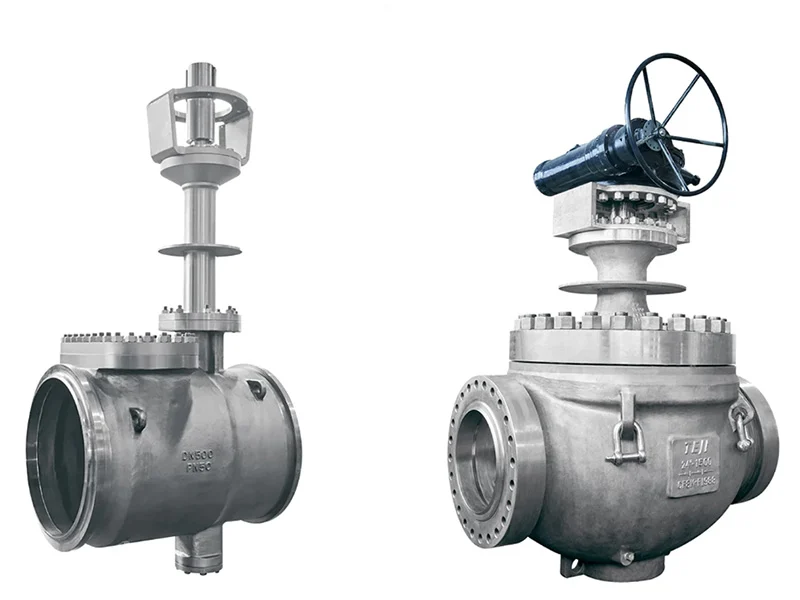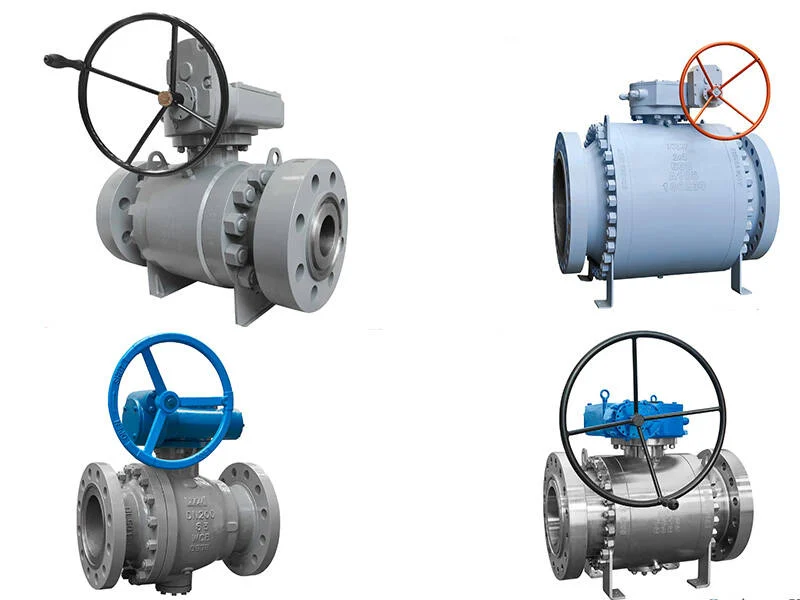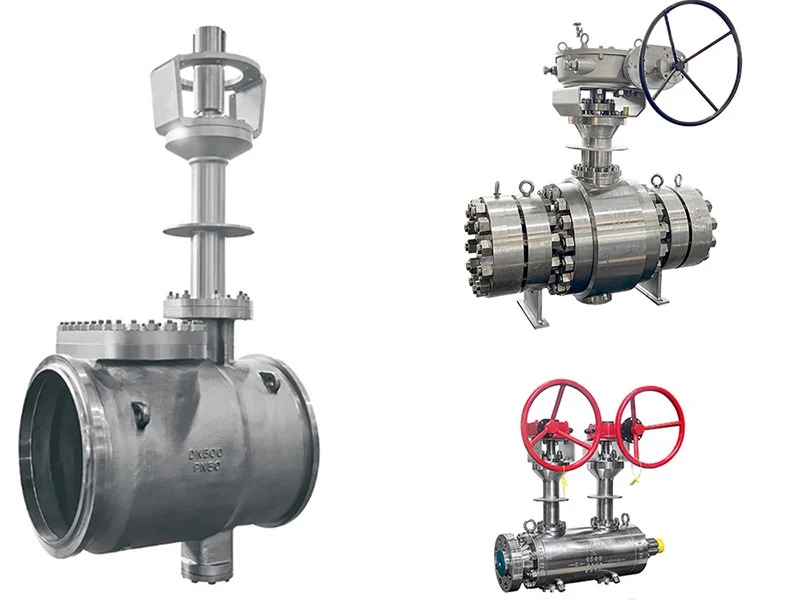
It is well understood that the operating environments for valves are not always mild. In extreme conditions—such as high-temperature and high-pressure environments—the operational state of a valve becomes a critical factor in the safe control of fluids.
High-temperature and high-pressure valves are essential fluid-control components used in industrial piping systems under extreme conditions. They are specifically engineered to withstand media environments where temperatures exceed 350°C and pressures surpass 10 MPa.
Considerations for Selecting High-Temperature Valves
The selection of a high-temperature valve should be based on the maximum temperature the pipeline might reach (rather than just the standard operating temperature), with a focus on the valve’s most vulnerable components at that temperature. For valves with soft seals, this weak point is typically the valve seat or sealing element; for all-metal valves, one must evaluate the high-temperature strength of the valve body, fasteners (bolts), and the valve stem. During the selection process, it is necessary to first identify the temperature limits for all materials that will come into contact with the process medium, followed by determining the appropriate pressure rating.
Understanding Operating Conditions
The first step toward selecting the right valve is to gain a clear understanding of the environment in which it will operate.
- Temperature: Identify the maximum and minimum temperatures that may occur during system operation.
- Pressure: Determine the extreme pressures the system might encounter. High-pressure environments require valves with high structural strength to prevent damage.
- Medium: Consider the type of fluid or gas being transported, including factors such as viscosity, corrosivity, and the potential presence of solid particles.
Furthermore, it is essential to define the intended function of the valve: is it required solely for shut-off, or is continuous flow regulation necessary?
Clarifying these points brings us significantly closer to selecting the appropriate valve. Based on these parameters, one can proceed with valve selection, ensuring that the chosen materials and structural design align with the specific requirements of the application.
Material Selection
When utilizing valves in high-temperature and high-pressure systems, the choice of materials is of paramount importance. The selected materials must be capable of withstanding thermal stress, mechanical loads, and any potential chemical reactions with the process medium.
Stainless Steel: A common material for high-temperature and high-pressure applications, stainless steel offers high strength, excellent corrosion resistance, and good thermal stability.
Alloy Steel: For extremely high temperatures, alloy steels—such as chromium-molybdenum (Cr-Mo) steel—are often selected, as they retain strong mechanical properties even when subjected to thermal stress.
Inconel and Hastelloy: These nickel-based superalloys are ideally suited for extreme operating conditions, providing resistance to high temperatures, high pressures, and corrosive media.
Graphite and Ceramic Linings: For sealing components (such as those found in stuffing boxes), graphite or ceramic materials are recommended, as they can easily withstand high temperatures.
Ultimately, the selection of materials must be based on the specific operating conditions of the system and the characteristics of the media being transported.
Selecting the Appropriate Valve Type
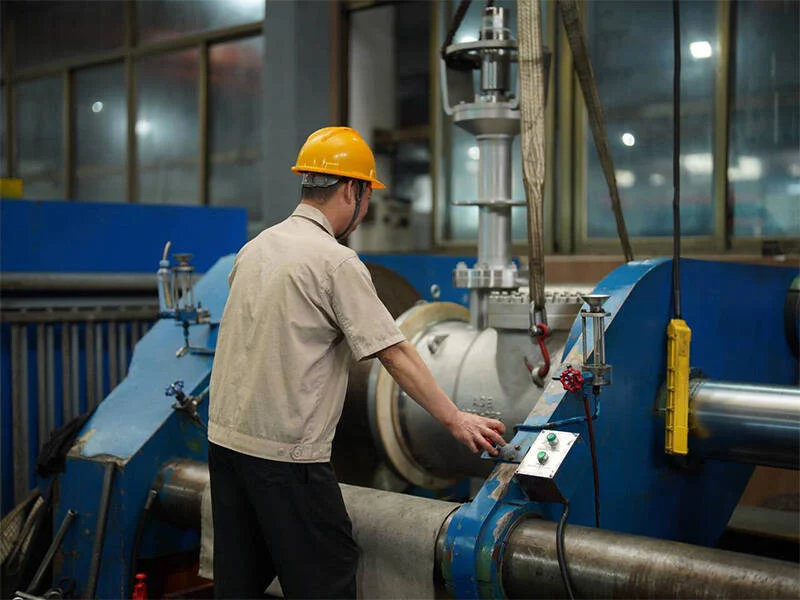
For rapid shut-off: Choose a metal-seated, fixed-ball valve; these offer high pressure-bearing capacity and are suitable for high-pressure, large-diameter pipelines.
For precise flow regulation: Choose a high-temperature, high-pressure control valve featuring a forged body and a multi-stage pressure-reduction sleeve, which helps distribute pressure differentials and suppress cavitation.
For applications requiring infrequent operation and bidirectional flow: Choose a pressure-seal (self-sealing) high-temperature gate valve, where the sealing contact pressure automatically increases under high-pressure conditions.
For media containing solid particles: Choose a high-temperature, high-pressure disc valve; the sliding action of the valve disc during opening and closing scrapes away debris from the sealing surfaces, preventing particles from causing jams.
For remote locations lacking an air supply: Choose an explosion-proof, high-temperature electric control valve, which can be integrated into a Distributed Control System (DCS) for remote operation without the need for an external compressed air station.
Summary
Serving as the “safety guardians” of industrial systems, high-temperature, high-pressure valves are widely used in critical sectors—such as petroleum refining, coal-to-chemical processing, nuclear power plants, and large-scale thermal power generation units—where they perform essential functions including flow isolation, regulation, and overpressure protection.
If you are looking for suitable high-temperature, high-pressure valves for your project, please feel free to contact us—TEJI is always at your service.