While “green hydrogen” is not a unique type of hydrogen molecule, a green hydrogen facility is certainly not a standard gas pipeline system.
From electrolysis and gas-liquid separation to purification, drying, compression, and transport, valves must handle diverse operating conditions, including wet hydrogen, high-purity hydrogen, pressure fluctuations, vacuum states, and variable load operations.
Therefore, selecting hydrogen valves for green hydrogen facilities requires looking beyond basic parameters like temperature, pressure, and size; one must also consider the installation location, specific hydrogen operating conditions, and the process boundaries the valve must maintain.
Pressure rating determines whether a valve can be integrated into the system, while compatibility with operating conditions determines whether it can operate reliably.
01 Pressure resistance does not guarantee hydrogen containment
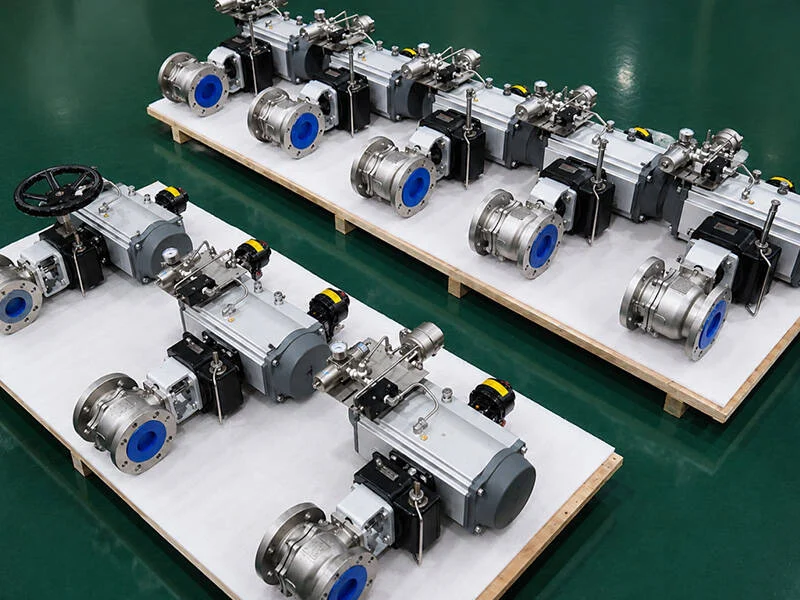
A valve’s pressure rating primarily reflects the pressure-bearing capacity of the valve body. However, for hydrogen valves, attention must also be paid to:
- Potential internal leakage at the valve seat
- Potential external leakage at the stem packing and body connections
- Potential ingress of external air into the system under vacuum conditions
Certain high-purity hydrogen applications require valves to possess vacuum sealing capabilities and undergo unidirectional seat leakage testing; bidirectional sealing valves must be verified from both directions.
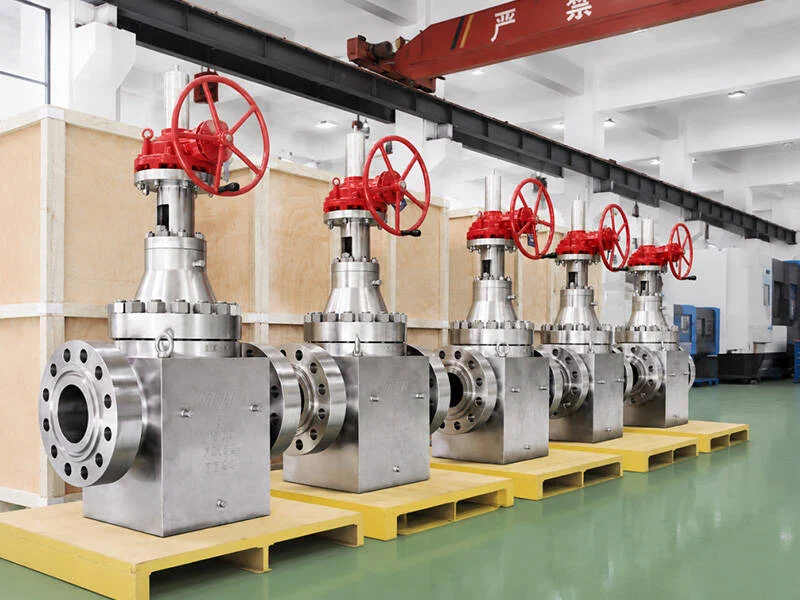
Additionally, stem packing and body connections must undergo low-leakage testing—also known as fugitive emission testing—in accordance with project requirements.
Testing protocols must specify the test medium, pressure, temperature cycling, number of opening/closing cycles, and permissible leakage class.
Type testing may refer to ISO 15848-1, and product acceptance to ISO 15848-2, with specific classes determined by project technical documentation. The ISO 15848 series primarily evaluates leakage from stem seals and body connections to the external environment.
Hydrogen valve sealing requires securing not only the valve seat but also every potential path for outward leakage.
02 Material selection and cleanliness must align with specific operating conditions
Selecting materials for hydrogen valves cannot be simplified to merely choosing “stainless steel.”
Valve bodies, stems, seats, fasteners, and sealing materials serve different functions; their selection must be confirmed based on factors such as hydrogen purity, pressure, temperature, material condition, and the mechanical loads acting on the components.
For high-purity hydrogen pipelines, cleanliness is an integral part of valve performance. Contaminants such as grease, moisture, rust, and dust can not only pollute the process medium but also infiltrate sealing areas, compromising the fit between the valve seat and the closure element.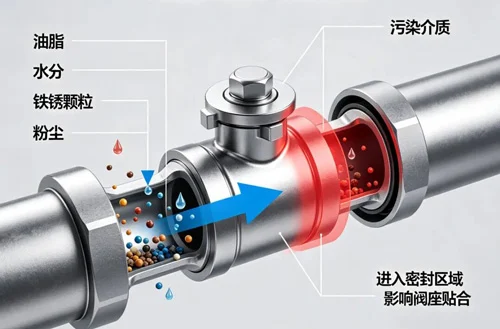
More importantly, valve components that come into contact with the medium must undergo rigorous degreasing prior to assembly; the internal cavities must be free of any residual grease, moisture, rust, or dust. In high-purity hydrogen applications, cleanliness is not merely an aesthetic requirement but a critical process specification.
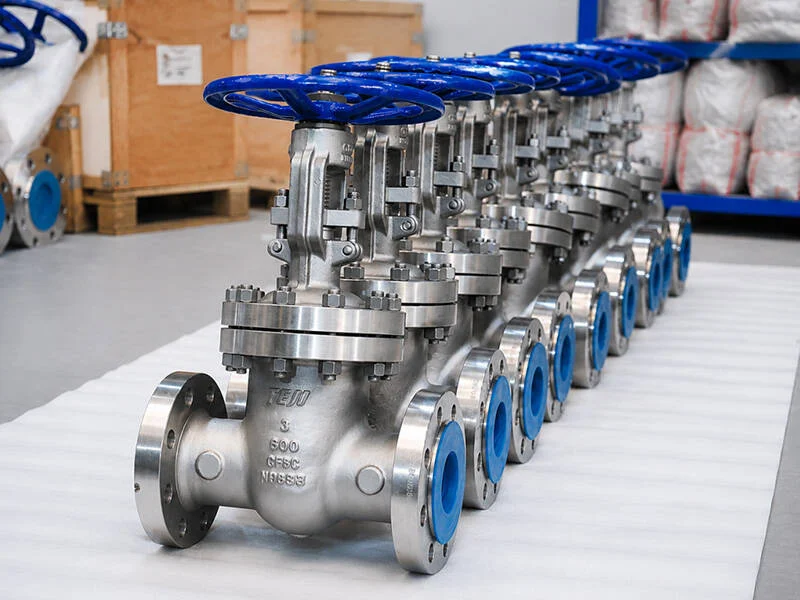
03 Hydrogen-Service Design Is More Than Just Labeling a Standard Valve
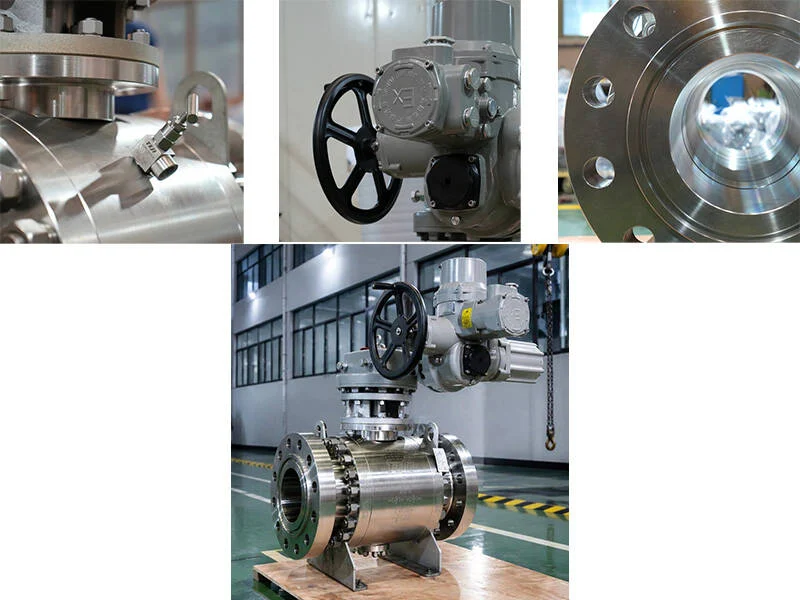
Take soft-seated ball valves as an example:
Soft-seated ball valves for green hydrogen facilities must not only meet relevant fire-safety standards but also incorporate anti-static design features and testing, as well as a stem blowout-prevention mechanism.
These requirements cannot be met by simply adding a few accessories to a standard valve; they must be holistically addressed during the structural design, material selection, and validation testing phases.
Furthermore, the delivery of hydrogen valves involves more than just a pressure test report. Documentation such as material certificates, gas-tightness test records, non-destructive testing (NDT) results, and degreasing procedure records constitutes an essential part of product validation.
The safety of hydrogen valves is not merely a result of final inspection; it is built step-by-step through design, manufacturing, and validation.
Conclusion
A “green hydrogen valve” is not a valve with a fixed, standardized structure, nor is it simply a standard valve with the label “for hydrogen service” attached to its name.
As operations shift between hydrogen production, purification, compression, and transport, the state of the medium, pressure levels, cleanliness requirements, and operational modes change accordingly. Only by analyzing the specific process stage—and clarifying factors such as sealing direction, maximum differential pressure, cycling frequency, and testing requirements—can a targeted valve selection strategy be developed.
Teji Valve Group Co., Ltd. caters to industrial facilities in sectors such as green hydrogen, green methanol, and coal chemicals. By analyzing specific operating conditions—including the medium, temperature, pressure, and installation location—the company matches products to applications, providing tailored valve solutions and technical support for various process stages.