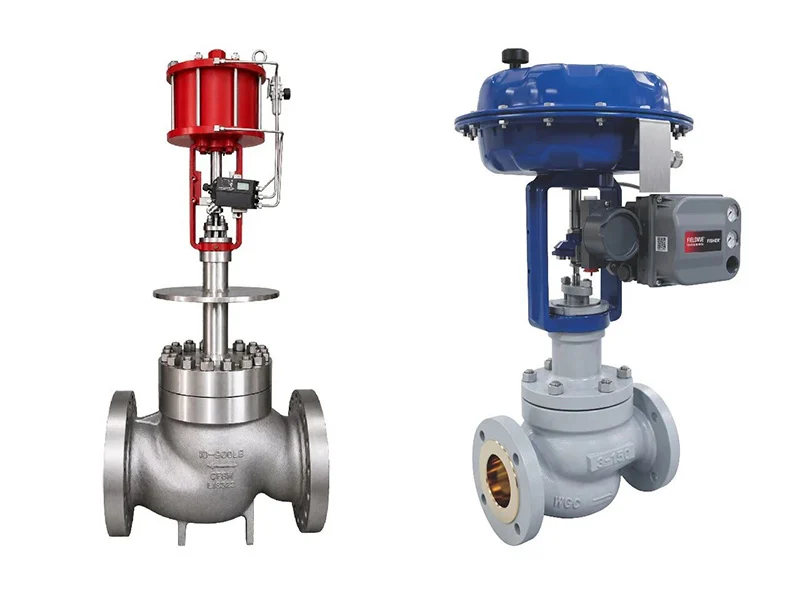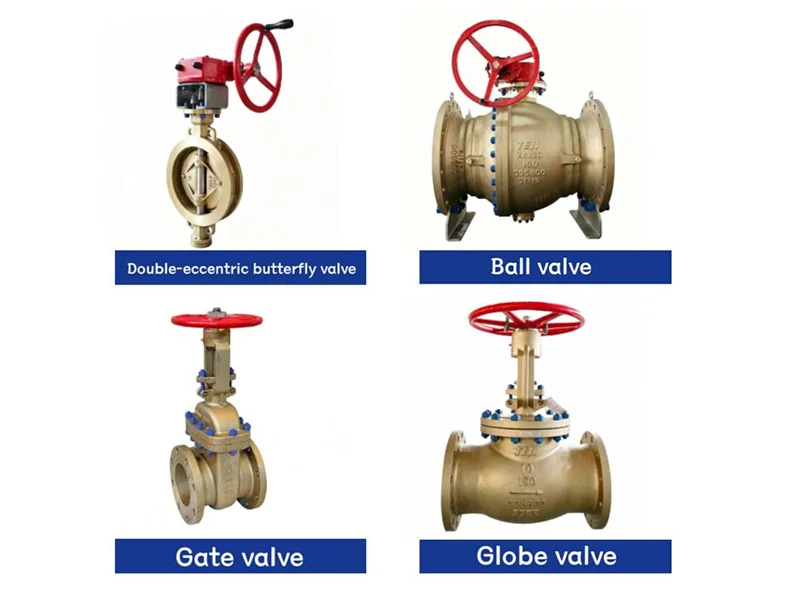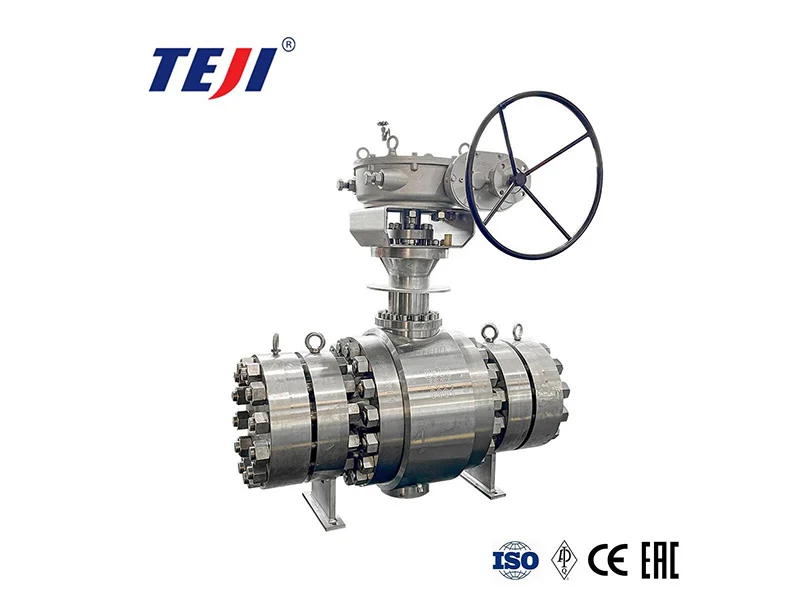
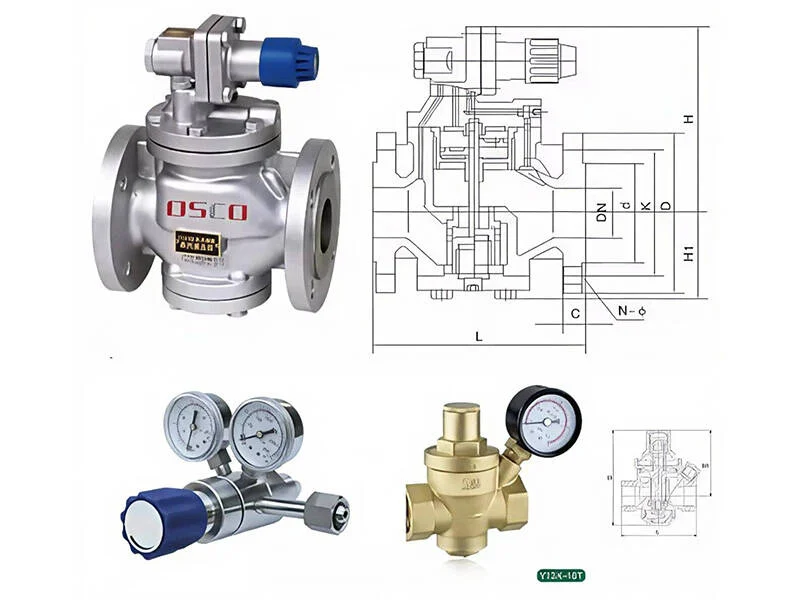
A pressure-reducing valve (PRV) is a hydraulically driven, diaphragm-operated control valve designed to handle the most demanding operating conditions. It reduces high upstream pressure and maintains it at a stable, lower downstream level, regardless of fluctuations in upstream pressure or changes in downstream demand. In short, the valve ensures downstream pressure stability despite variations in flow rate.
In practical applications, you may encounter unexpected noise coming from the pressure-reducing valve. While the initial reaction might be to assume the valve is faulty and requires repair or replacement, it is best to first understand the underlying causes of the noise before taking action.
The causes of noise in pressure-reducing valves can be categorized into three main types: Mechanical vibration noise; Hydrodynamic noise; Aerodynamic noise.
1.Mechanical vibration noise
Mechanical vibration occurs in the valve’s components due to fluid flow. This vibration manifests in two forms: low-frequency vibration and high-frequency vibration.
Low-frequency vibration
This type of vibration is caused by fluid jets and pulsations. Contributing factors include excessive flow velocity at the valve outlet, poor piping layout, and insufficient rigidity in the valve’s moving parts.
High-frequency vibration
This vibration occurs when the excitation frequency caused by fluid flow coincides with the valve’s natural frequency, resulting in resonance. It typically arises within a specific pressure-reduction range, and the noise level can change drastically with even slight alterations in operating conditions. This type of mechanical vibration noise is independent of flow velocity and usually stems from flaws in the valve’s design. Measures to mitigate this noise include optimizing the clearance between the valve bushing and stem, improving machining precision, adjusting the valve’s natural frequency and the rigidity of moving parts, and selecting appropriate materials.
2.Hydrodynamic Noise
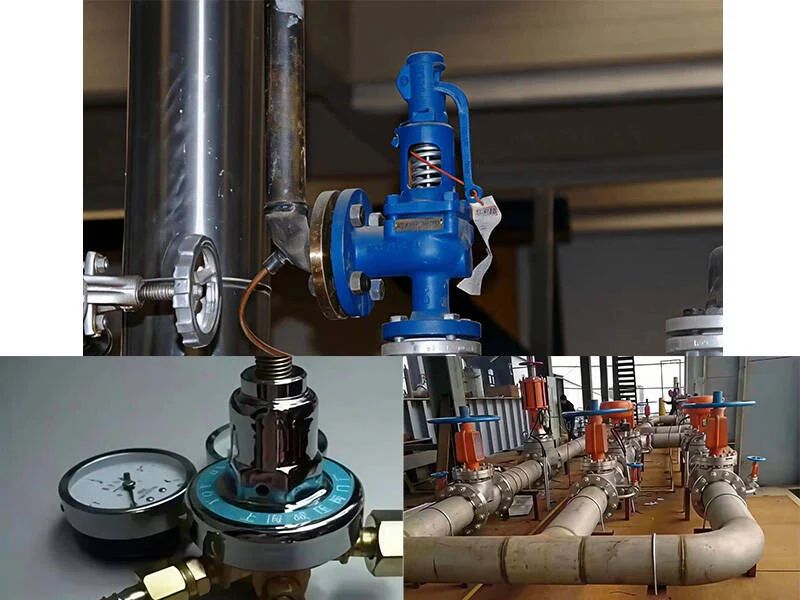
Hydrodynamic noise is generated by turbulence and eddy currents as fluid passes through the pressure-reducing port of a pressure-reducing valve. This process occurs in two stages:
I. Turbulence Noise: This noise arises from the interaction between the turbulent fluid and the internal surfaces of the valve or piping. It is characterized by relatively low frequencies and noise levels, and generally does not constitute a significant noise problem.
II. Cavitation Noise: During the pressure-reduction process, when the fluid velocity reaches a certain threshold, the fluid (liquid) begins to vaporize. When the pressure acting on the resulting vapor bubbles reaches a specific level, the bubbles implode. These implosions generate localized high pressures and shock waves; the instantaneous impact pressure can reach 196 MPa, although the pressure dissipates rapidly away from the center of the implosion.
This shock wave is a primary cause of cavitation and noise in pressure-reducing valves. To mitigate mechanical vibration and noise, the valve design must ensure the pressure drop remains below the critical value—ideally below the initial cavitation pressure threshold (Δp_initial)—because once the actual pressure drop reaches this threshold, cavitation begins and noise levels rise sharply. Additionally, the flow direction of the fluid medium relative to the valve disc must be carefully considered.
3.Aerodynamic Noise
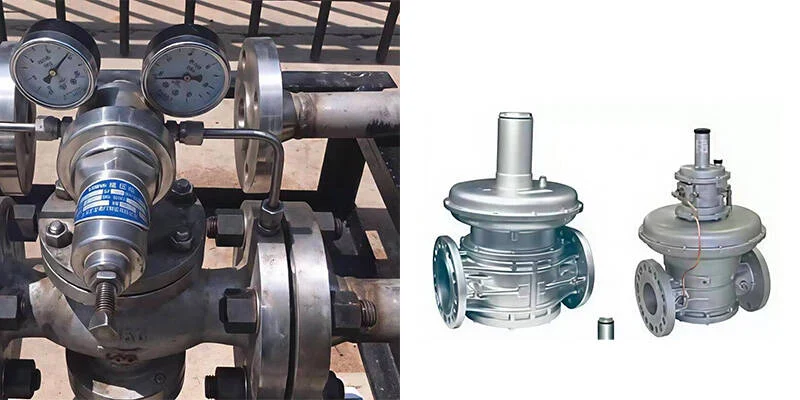
This noise is generated when compressible fluids, such as steam, pass through the pressure-reducing section of the valve, causing the fluid’s mechanical energy to convert into acoustic energy.
In summary, the noise generated by pressure-reducing valves is fundamentally linked to their design and manufacturing processes. Understanding the root causes of the noise allows us to implement targeted solutions. Please feel free to contact us if you would like more information about pressure-reducing valves.