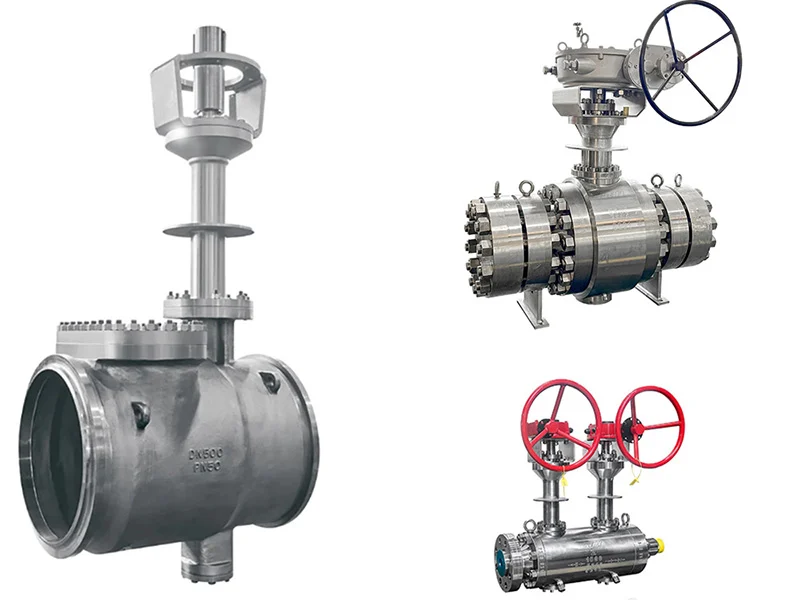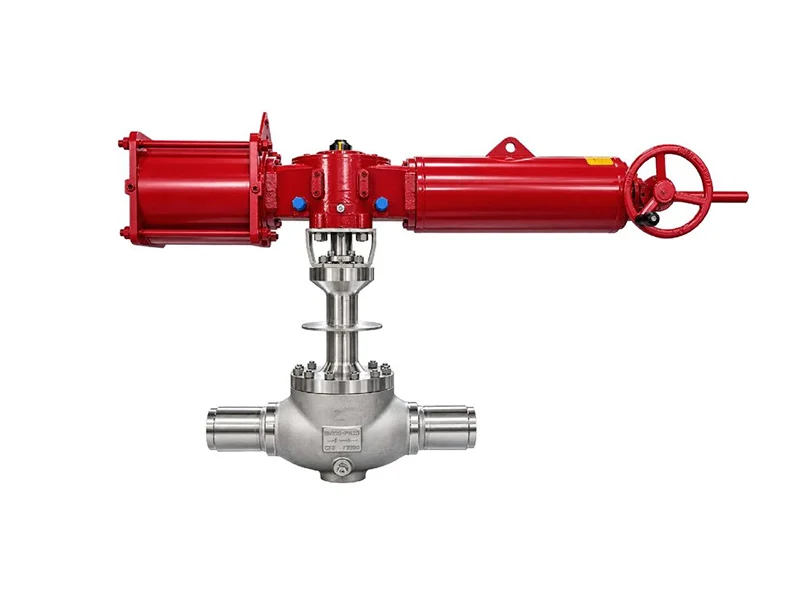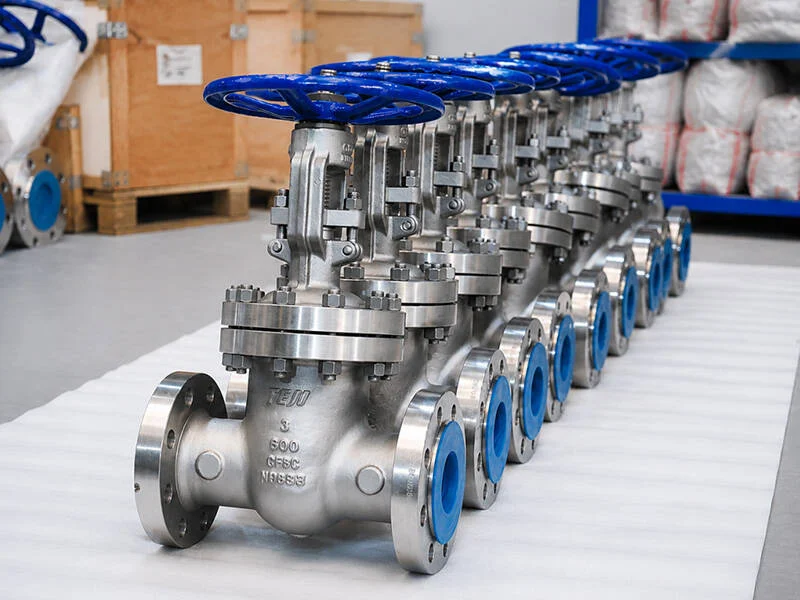
Overload of an electric valve refers to a situation where the torque demand encountered by the electric valve during operation exceeds its design capacity. This situation can be caused by various factors, such as low power supply voltage, improper torque limiting mechanism settings, and excessively high ambient temperature. Electric valves may encounter overload situations during operation, which not only affects their performance but may also lead to safety accidents.
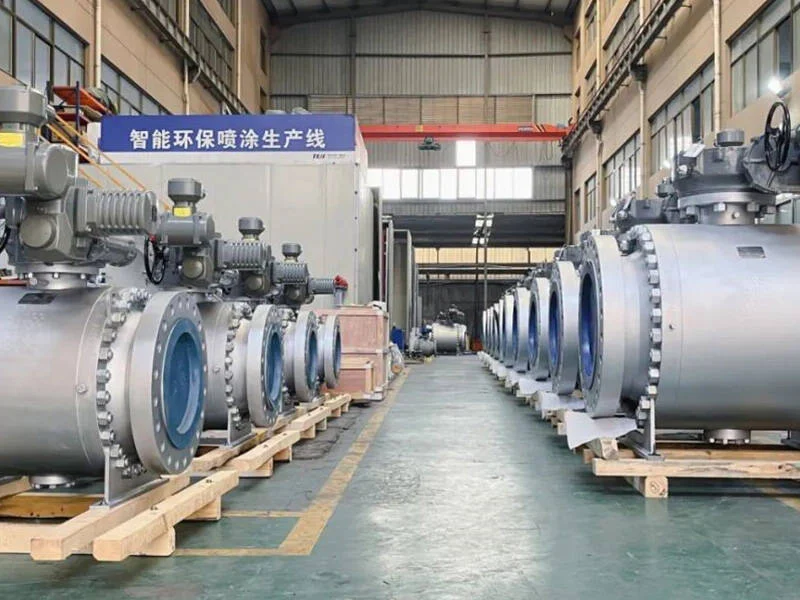
Protection Strategies: Multi-dimensional Protection for Electric Valves
To prevent overload of electric valves, the following basic protection methods can be adopted:
- Thermostat Protection: A thermostat is used for overload protection during continuous operation or inching of the motor. The thermostat automatically cuts off the control circuit when the motor temperature reaches its rated value, effectively preventing motor overheating.
- Thermal Relay Protection: A thermal relay can be used to protect against motor stall. It can promptly cut off the power supply when the motor overheats due to stall, preventing motor damage.
- Fuse or Overcurrent Relay Protection: Fuses or overcurrent relays are used for short-circuit protection, ensuring that the circuit can be quickly cut off when the current abnormally increases, preventing equipment damage.
Key Implementation Points: Ensuring the Effectiveness of Protective Measures
- Correct Selection: Based on the valve’s operating characteristics and utilization rate, select a suitable electric valve actuator to ensure its output torque meets the maximum torque requirements of valve operation.
- Regular Inspection: Regularly inspect and maintain the electric valve and its protective devices to ensure normal operation.
- Environmental Control: Control the operating environment of the electric valve to avoid adverse factors such as high temperature and humidity affecting its performance and the reliability of the protective devices.