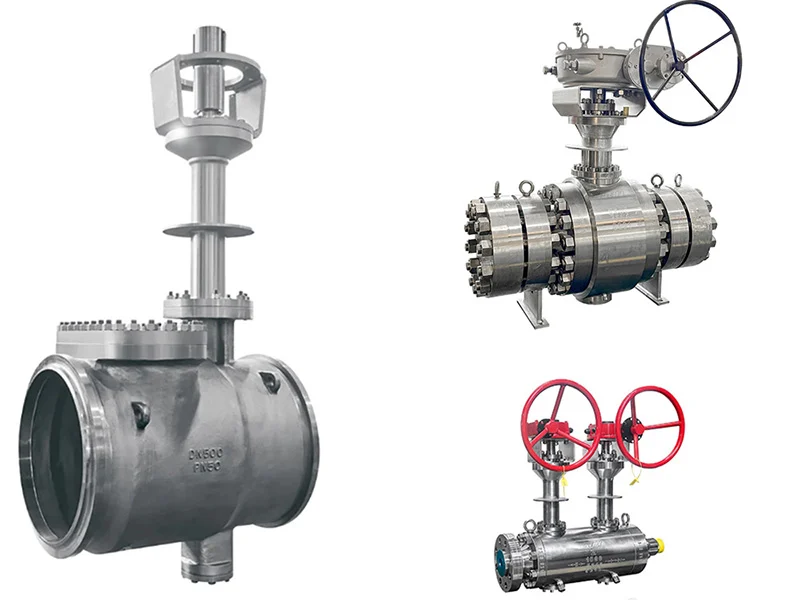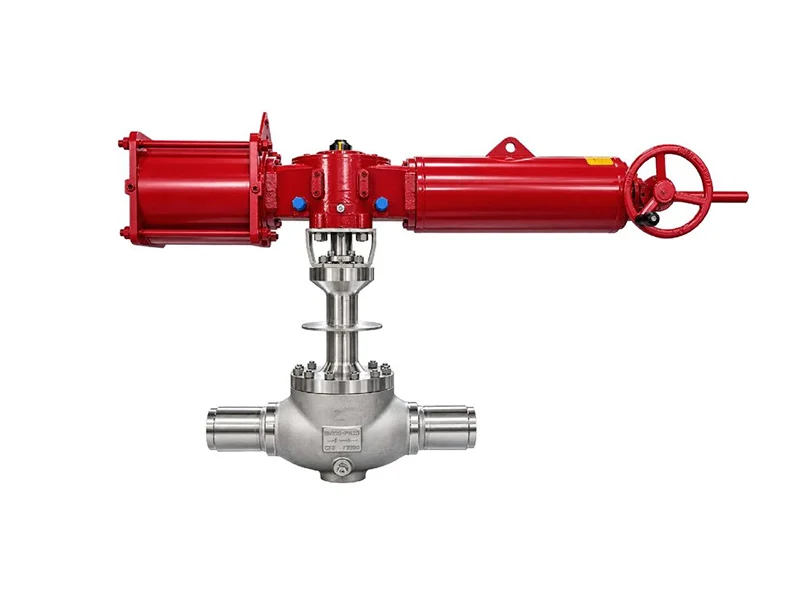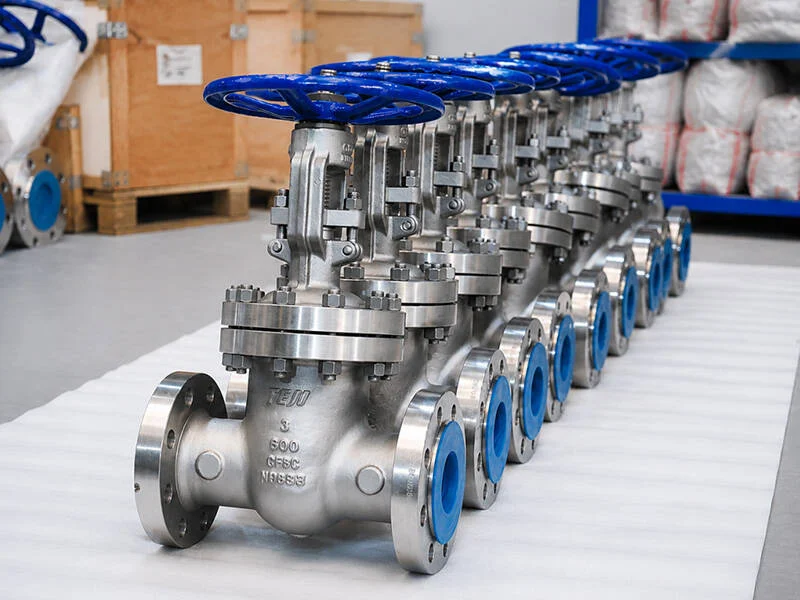
The sealing performance of a valve directly affects the control effect of the fluid medium and the safe operation of the system. Grinding the valve sealing surface is one of the important means to ensure its sealing performance. Its main purpose is to eliminate unevenness, defects, and particles on the sealing surface, improve the surface smoothness and roughness, and thus achieve optimal sealing performance. After grinding, the valve sealing surface can typically achieve a dimensional accuracy of 0.001~0.003mm, a geometric accuracy (such as unevenness) of 0.001mm, and a surface roughness of 0.1~0.008.
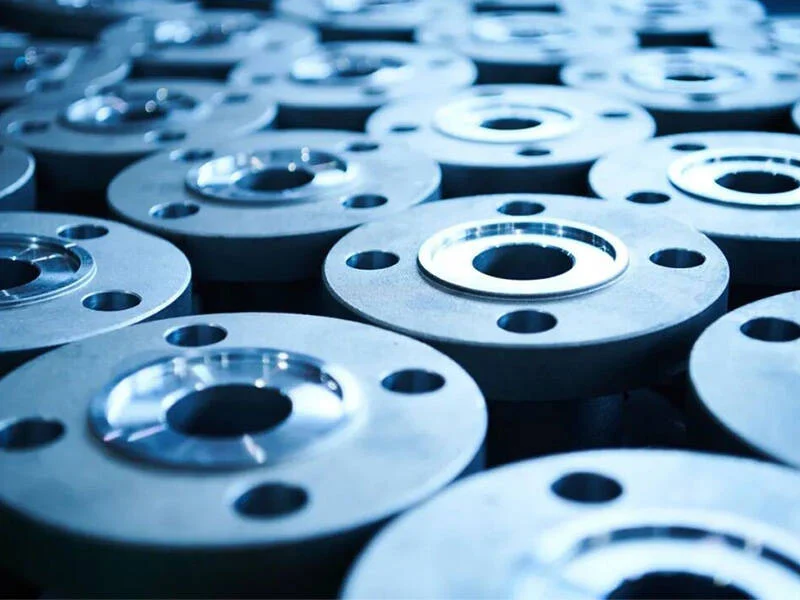
Basic Principles of Grinding
Grinding Process
During grinding, the grinding tool and the sealing ring surface are in close contact. The grinding tool performs complex grinding movements along the contact surface. Abrasive compound is placed between the grinding tool and the sealing ring surface. When the grinding tool and the sealing ring surface move relative to each other, some abrasive grains in the abrasive compound slide or roll between the grinding tool and the sealing ring surface, cutting away a very thin layer of metal from the sealing ring surface. Grinding is not only a mechanical processing process of abrasive on metal, but also involves a chemical reaction. The grease in the abrasive compound can form an oxide film on the processed surface, thereby accelerating the grinding process.
Grinding Motion
When the grinding tool and the sealing ring surface move relative to each other, the relative sliding path of each point on the sealing ring surface relative to the grinding tool should be the same, and the direction of relative motion should constantly change. This motion method avoids the abrasive grains repeating their own trajectory on the sealing ring surface, reducing obvious wear marks, and thus reducing the surface roughness of the sealing ring.
Grinding Speed
The grinding speed directly affects the grinding efficiency. The grinding speed is usually 10~240m/min, but for workpieces with high precision requirements, the grinding speed generally does not exceed 30m/min. The grinding speed of valve sealing surfaces is related to the material of the sealing surface; different materials have different recommended grinding speeds.
Grinding Pressure
Grinding efficiency increases with increasing grinding pressure, but the grinding pressure should not be too high, generally between 0.01 and 0.4 MPa. A larger value is used for rough grinding, and a smaller value for finish grinding.
Grinding Allowance
Since grinding is a finishing process, the amount of material removed is very small. The size of the grinding allowance depends on the machining accuracy and surface roughness of the previous process. Under the premise of removing machining marks from the previous process and correcting geometric errors of the sealing ring, the smaller the grinding allowance, the better.
Grinding Method and Steps:
- Preparation: Confirm the valve type and structure, and check the damage and surface roughness of the valve sealing surface. Simultaneously, prepare the grinding tools, grinding materials, and appropriate lubricant.
- Surface Cleaning: Use a suitable cleaning agent to clean the sealing surface to remove dirt and grease, ensuring accurate grinding results.
- Grinding Tool Selection: Select appropriate grinding tools, such as grinding wheels or grinding discs, based on the shape and material of the valve sealing surface.
- Grinding Operation: Fix the grinding tools on appropriate grinding equipment and perform appropriate grinding operations according to the shape and damage of the valve sealing surface. This can be done manually or with mechanical assistance.
- Grinding Degree Control: Control the grinding degree according to the actual situation, generally ensuring the flatness of the valve sealing surface.