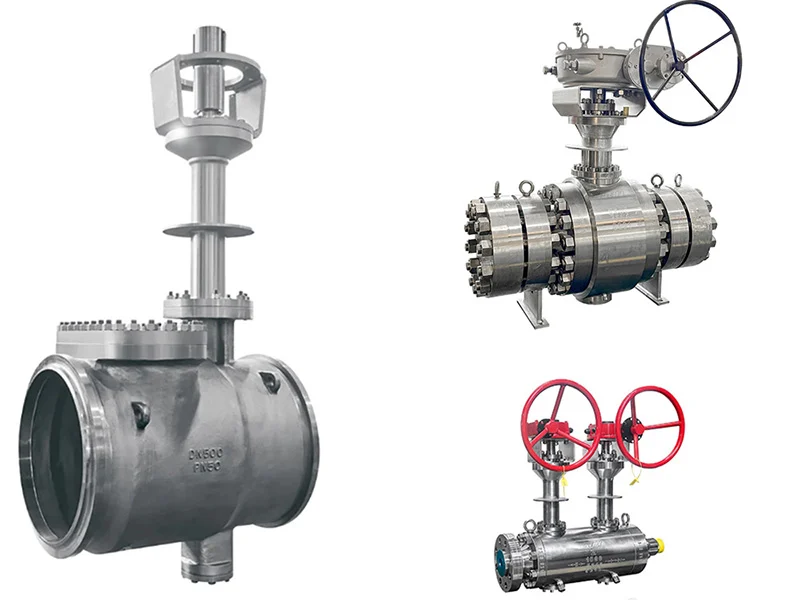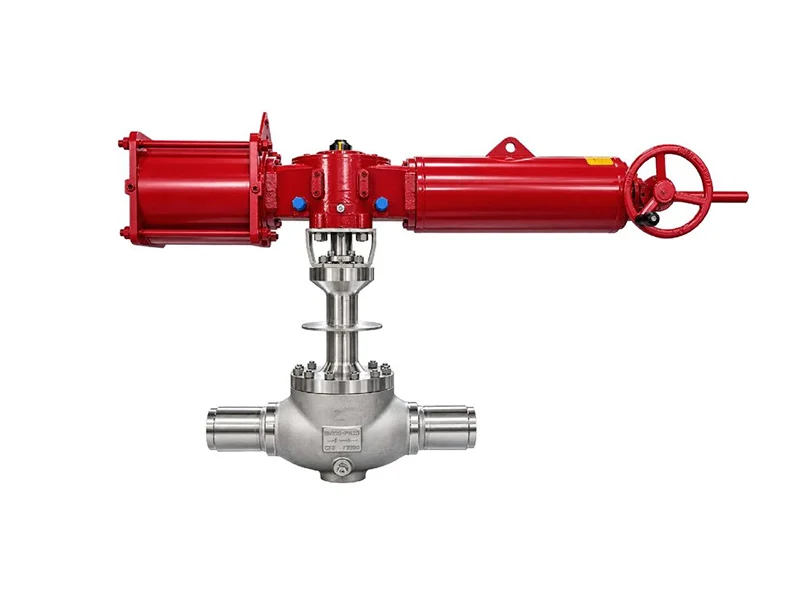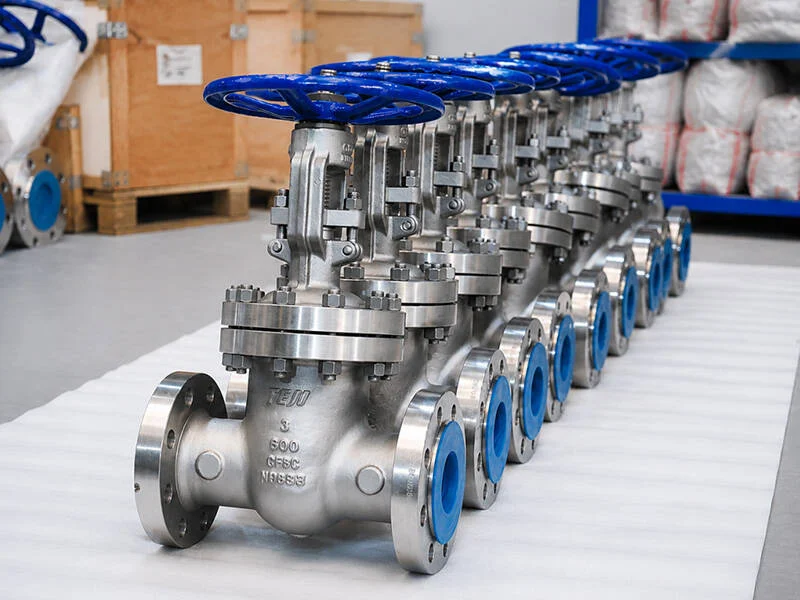
Valves play a vital role in modern production and daily life, serving everything from mild operating conditions to extreme industrial environments. Cryogenic valves are primarily used in applications such as ethylene plants, liquefied natural gas (LNG) facilities, natural gas/LPG/LNG storage tanks and receiving terminals, air separation units, and petrochemical tail-gas separation equipment.
However, cryogenic media—such as ethylene, liquid oxygen, liquid hydrogen, LNG, and liquefied petroleum products—are not only flammable and explosive but also prone to vaporization when heated, causing their volume to expand hundreds of times almost instantly. The use of cryogenic valves allows for effective temperature control, thereby preventing safety hazards like explosions and leaks.
Valve maintenance is of paramount importance regardless of the operating conditions. In cryogenic environments, maintenance is far more challenging than at ambient temperatures due to factors such as material embrittlement, freezing or clogging caused by the medium, and seal deformation. Even minor oversights can lead to media leakage, equipment damage, or serious safety accidents. Adhering to a scientific maintenance procedure is the fundamental prerequisite for ensuring the long-term, stable operation of valves in cryogenic service.
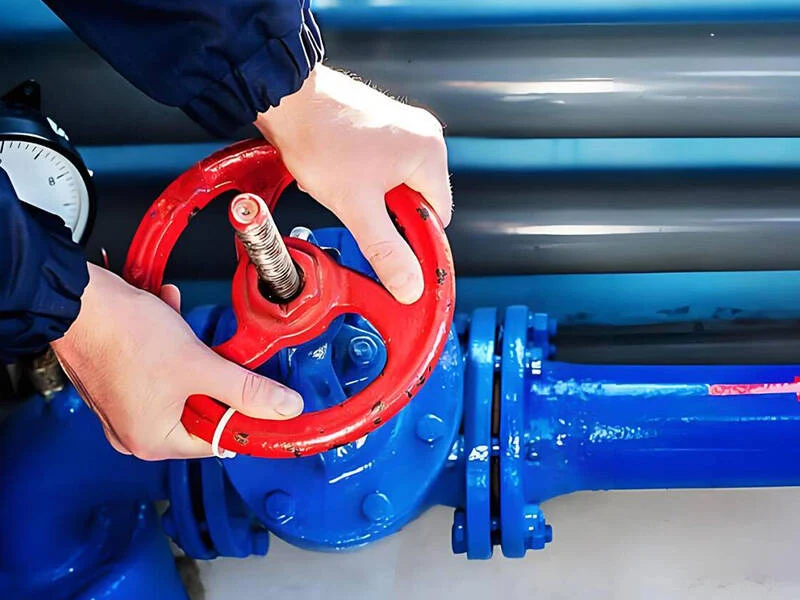
Pre-maintenance Preparations
The first step is the selection of maintenance tools. Standard carbon steel tools are prone to brittle fracture at temperatures below -20°C; therefore, they must be replaced with tools—such as wrenches and pry bars—made from low-temperature alloy steel. For gaskets, low-temperature resistant materials like PTFE (polytetrafluoroethylene) or spiral-wound metal gaskets should be prioritized to avoid the loss of sealing effectiveness caused by rubber gaskets hardening in the cold. Additionally, prepare industrial-grade antifreeze lubricants, anhydrous ethanol, and spare seals suitable for the specific operating conditions.
Secondly, strict energy isolation procedures must be followed before maintenance begins. Promptly close the isolation valves upstream and downstream of the target valve, and use the vent valve to drain any residual cryogenic medium from the valve cavity. Allow the valve body temperature to rise naturally to above 0°C before commencing disassembly. If the medium is flammable, explosive, or corrosive, the valve cavity must be purged and displaced with an inert gas, and safety checks must be successfully completed before work begins. Finally, and most importantly, personnel must wear cold-resistant workwear and anti-slip safety shoes, as well as gloves designed for low-temperature environments, to prevent frostbite from splashes of cryogenic media. Anti-slip warning signs must be placed in the work area, and any accumulated water or ice on the ground must be promptly cleared to prevent personnel from slipping.
Precautions During Maintenance
First, inspect the valve body exterior for cold-brittleness cracks or deformation, paying particular attention to stress concentration points such as welds and flange connections. If cracks are detected, perform non-destructive testing (NDT) immediately; if damage exceeds permissible limits, replace the valve body directly. After dismantling the valve plug and stem, check the surfaces for signs of cryogenic corrosion or wear. If the stem’s bending exceeds 0.1 mm/m, it must be straightened or replaced; if the damage depth on the valve plug’s sealing surface exceeds 0.5 mm, it requires regrinding or replacement.
All removed gaskets must be replaced. Before installation, apply a uniform layer of low-temperature-specific sealing grease to the sealing surfaces. Tighten flange bolts in stages using a diagonal pattern to ensure even load distribution and prevent leaks caused by uneven sealing pressure at low temperatures. Completely remove old packing from the stuffing box and install new packing ring by ring, staggering the joints of adjacent rings by at least 120°. When tightening the gland, leave a 1–2 mm margin to accommodate packing shrinkage or deformation at low temperatures.
After assembly, perform a no-load opening and closing test (cycling the valve 3–5 times) to confirm smooth operation without binding and ensure the valve reaches the correct open/closed positions. If facilities permit, conduct a leak test using compressed air; the valve passes if the pressure drop does not exceed 1% of the design value over a 30-minute holding period.
Post-Maintenance Operation
If no issues are found after maintenance, the valve may be returned to service. However, avoid sudden contact with cryogenic media when putting the valve back into operation. Instead, slightly open the upstream valve to introduce a small amount of cryogenic medium and pre-cool the valve body for at least 30 minutes. Once the valve body temperature approaches the operating temperature, gradually open the valve fully to prevent stress cracking caused by rapid temperature fluctuations. Assign dedicated personnel to conduct inspections within 24 hours of commissioning, focusing on checking for leaks at flange connections and stuffing boxes, and verifying proper valve operation. Increase inspection frequency during periods of low winter temperatures; for valves out of service for extended periods, drain internal media and, if necessary, introduce a heat-tracing medium to prevent freezing and blockages.