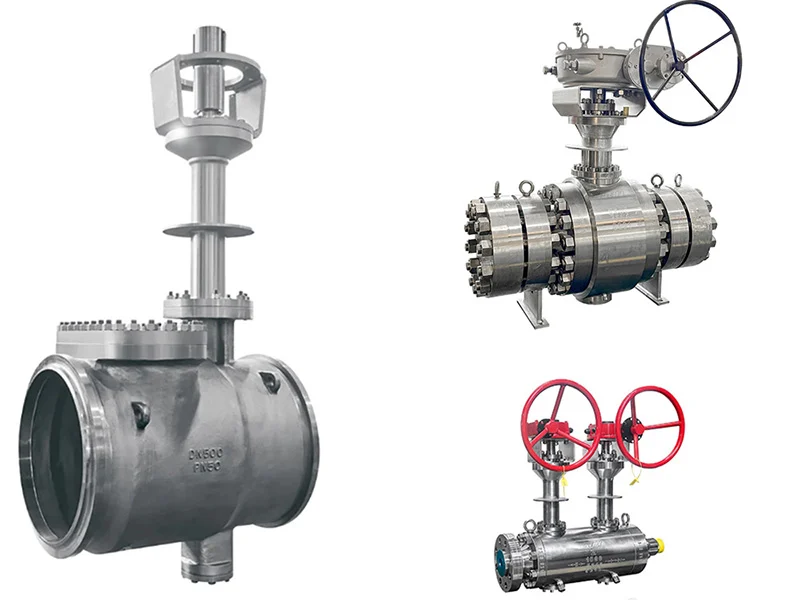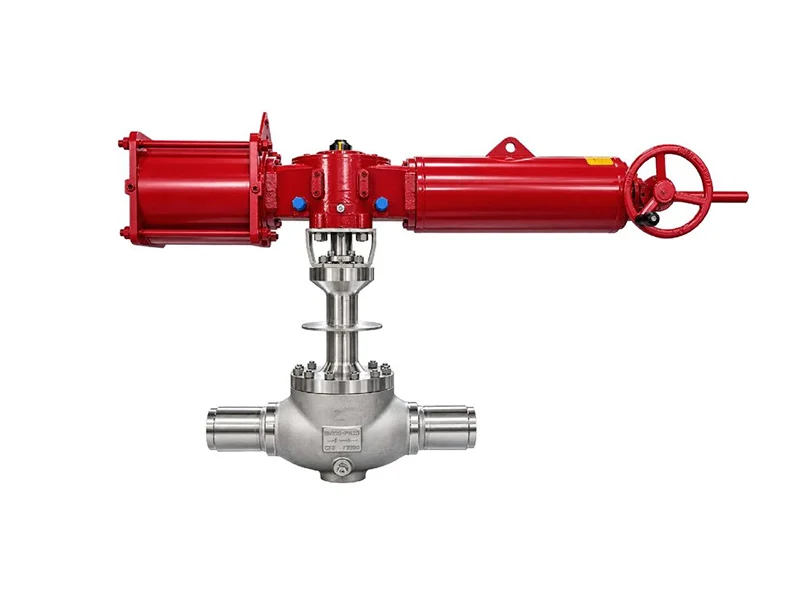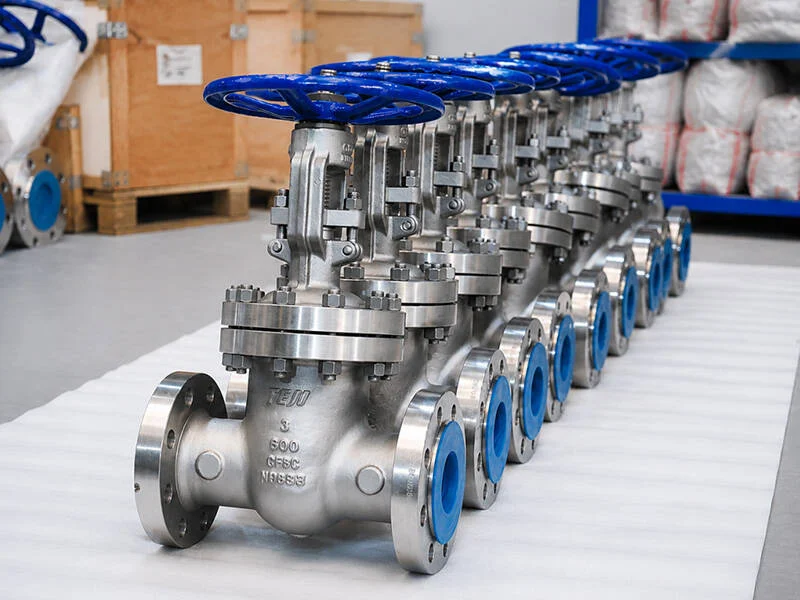
The high-performance compensated shear valve is a patented product specially developed for demanding working conditions. It has replaced traditional wear-resistant ball valves in the coal chemical and polysilicon industries, resolving issues such as sticking, seizure, and erosion during valve application. In the petrochemical field for heavy oil and residue oil, it has replaced imported trunnion ball valves, extending valve service life and reducing customer operation and maintenance costs.
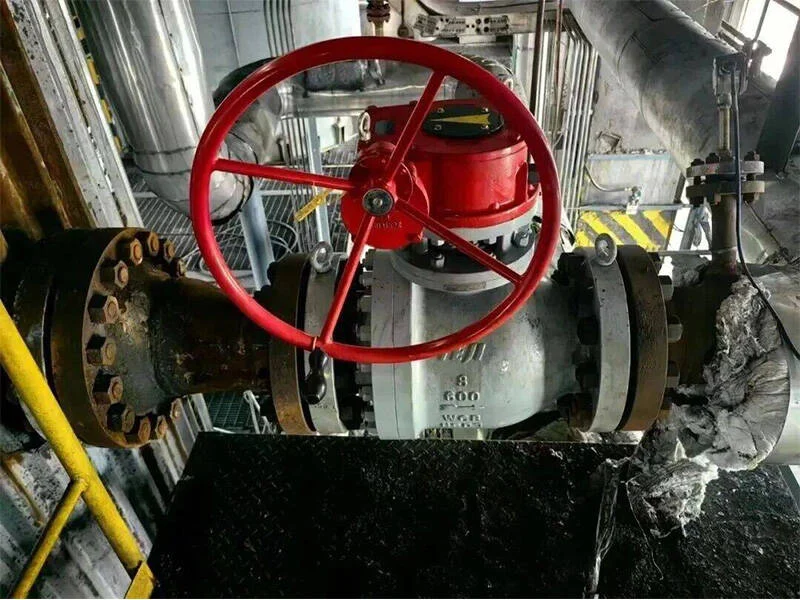
Structural Features of the High-Performance Compensated Shear Valve
It is divided into spring type and springless type by overall structure, and into full-bore and integral type by valve body structure. The spring type is suitable for media such as water-coal slurry, black water, and gray water; the springless type is suitable for media like latex and polyurethane, which can cause spring failure.
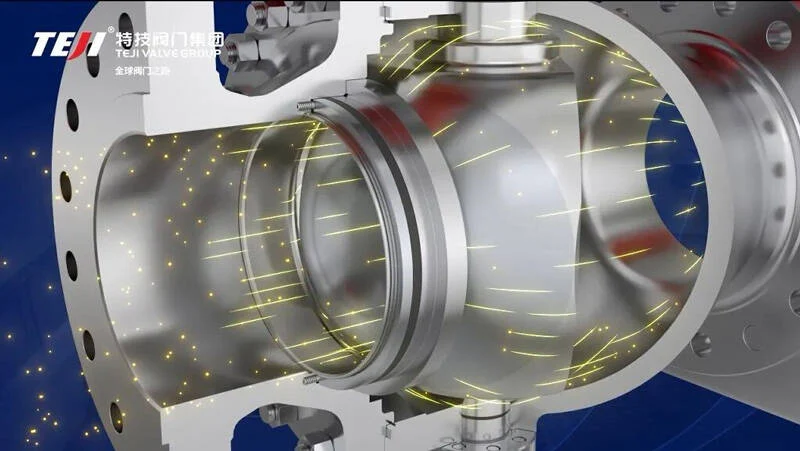
Full-bore design: The valve adopts a full-bore design, with smooth transitions at the parts in contact with the medium, reducing the formation of stagnant zones in the valve chamber that cause scarring.
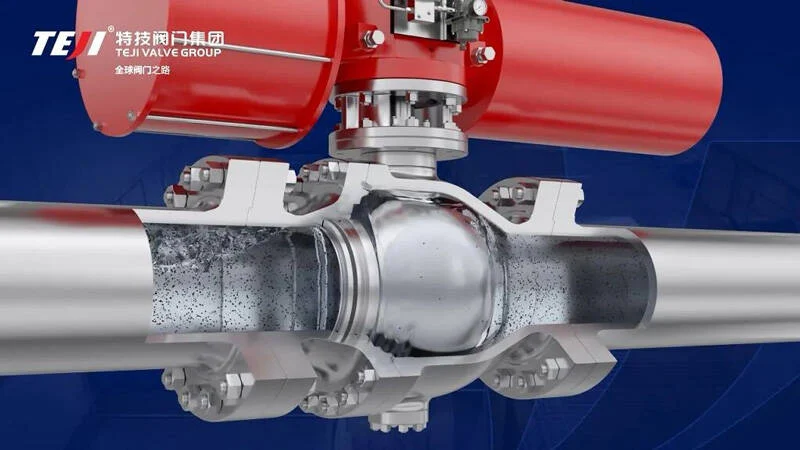
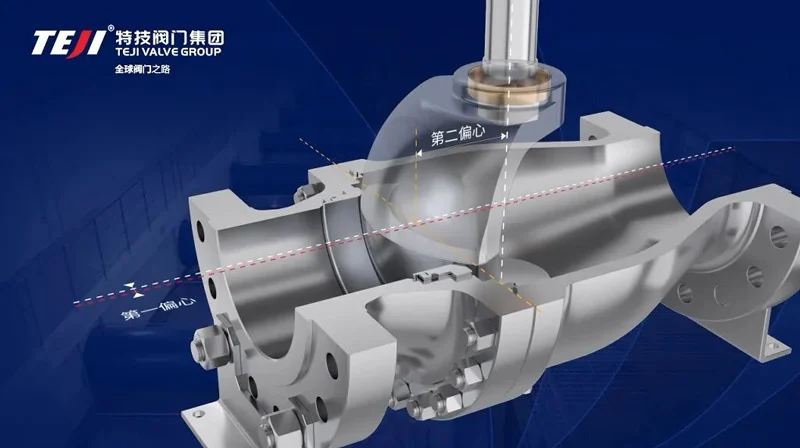
Eccentric design torque seal: Uses a cam wedge effect to achieve torque sealing; the tighter it closes, the more reliable the seal, achieving automatic seal compensation.
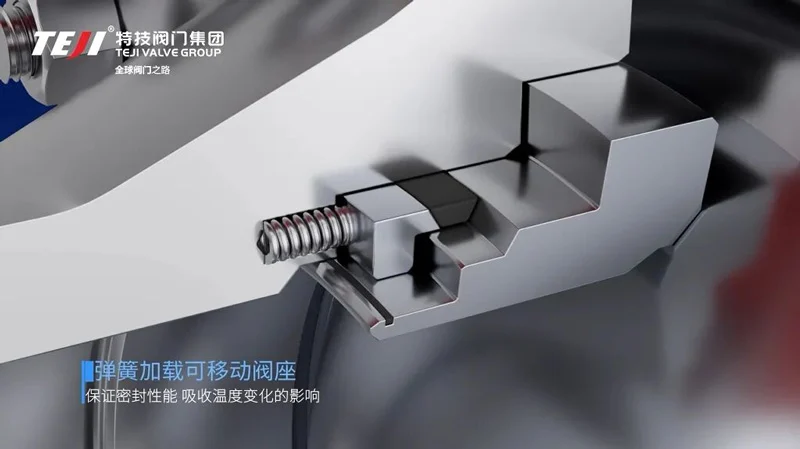
Spring-loaded movable seat: Absorbs the impact of temperature changes, ensuring valve operation under high temperatures or large temperature differences, and also solves the sealing issues of compensated shut-off valves under high-pressure conditions.
Self-cleaning function: When the valve opens, the fluid rinses off some materials and debris along the ball surface; when closing, it can shear off materials adhering to the ball surface, combining sealing and self-cleaning functions.
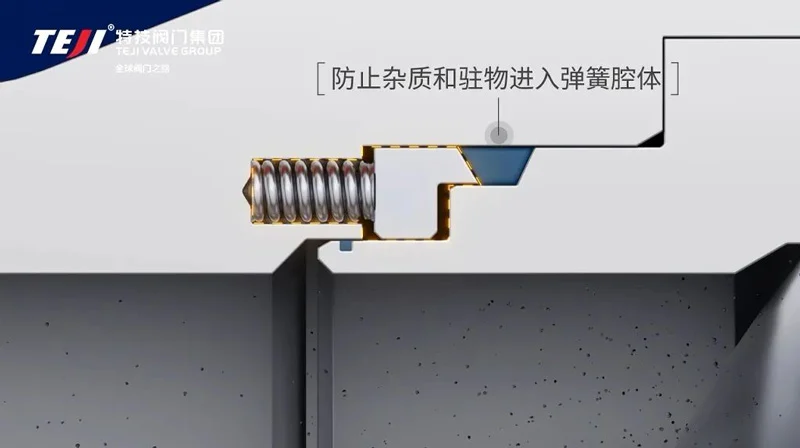
Spring chamber anti-slag design: The spring chamber is protected with flexible graphite rings, preventing impurities and residues from entering, effectively preventing spring failure.
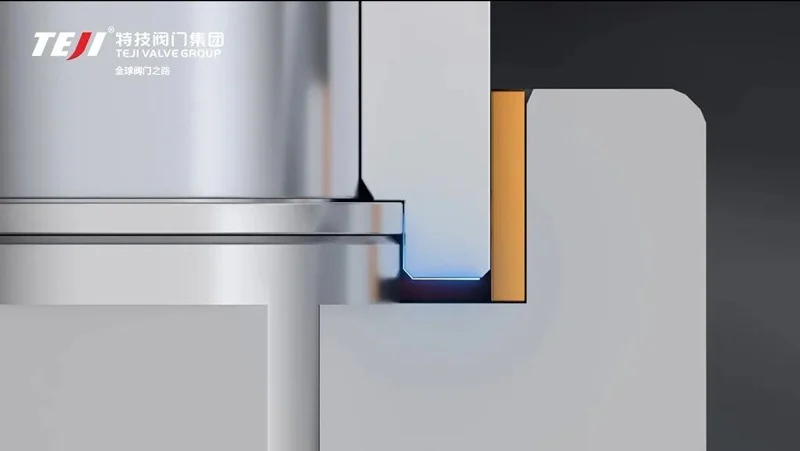
Bottom-mounted reverse seal structure: Ensures the valve stem cannot be blown out by the medium even in extreme conditions, maintaining reliable sealing under all pressures.
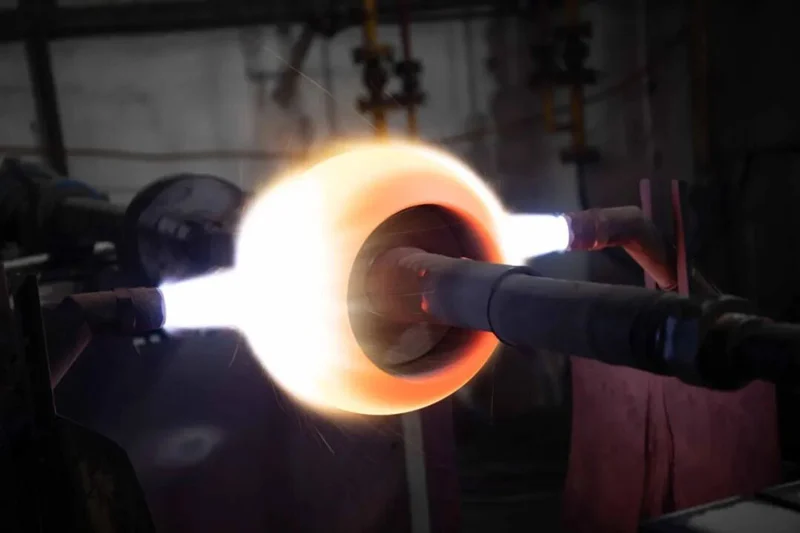
Hardening technology: The ball and seat adopt advanced hardening technologies (supersonic spraying, nickel-based welding, laser cladding, etc.), giving the sealing surface excellent resistance to friction and erosion.