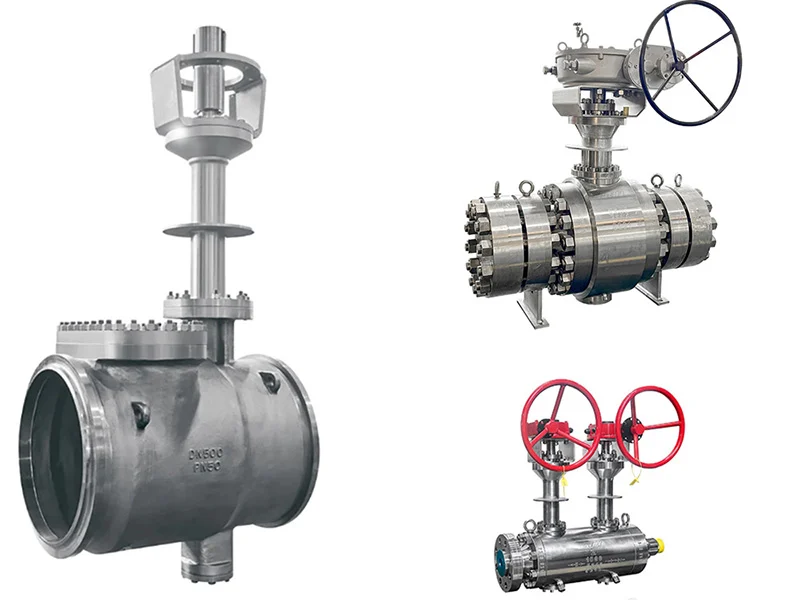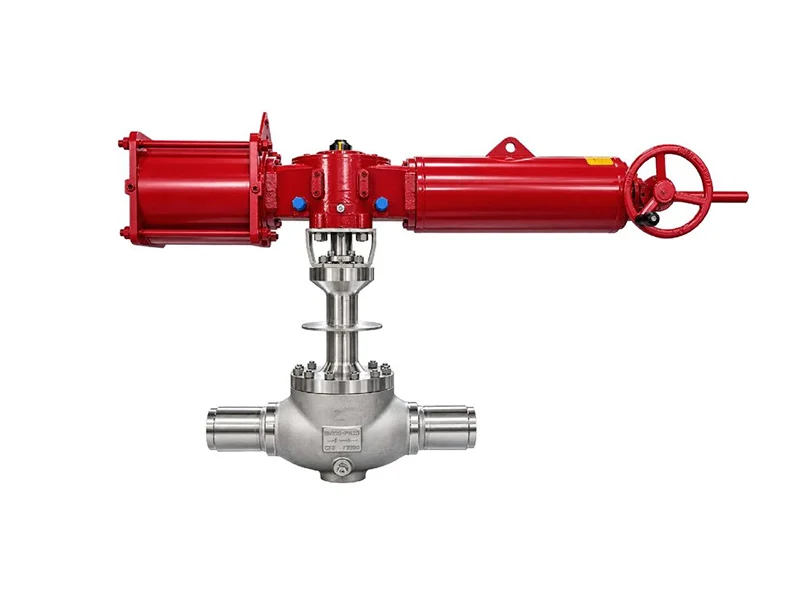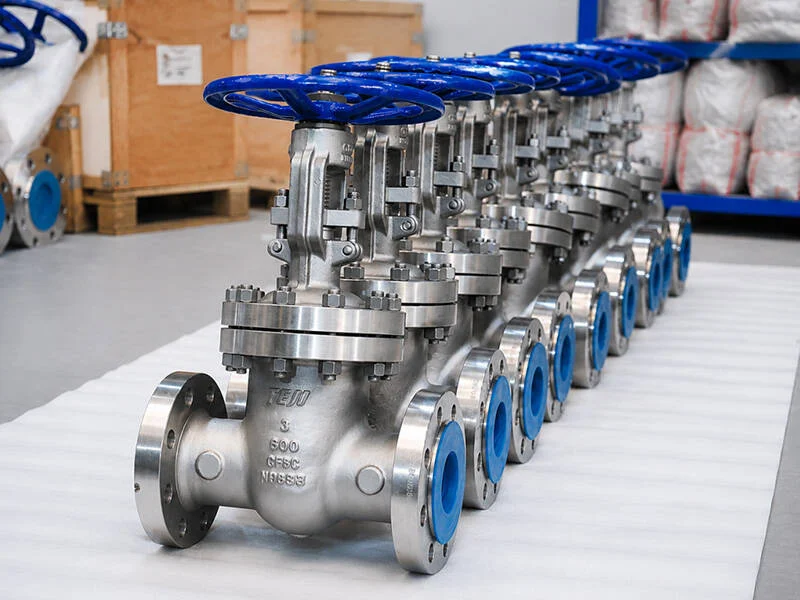
Cryogenic ball valves have a larger flow diameter than similar gate valves. These valves allow for faster opening and closing, making them suitable for applications requiring zero leakage, such as storage tanks, cryogenic pumps, pipelines, or low-pressure trailers. Cryogenic ball valves are widely used in hydraulic, gas, ethylene, and chemical equipment.
With advancements in related technologies, the demand for cryogenic ball valves is increasing in many fields. These valves control media at extremely low temperatures and are often toxic, flammable, or explosive. Therefore, cryogenic ball valves must maintain good performance in relatively low-temperature environments. Based on the characteristics of the media under cryogenic conditions and related process requirements, the design, manufacturing, inspection, and installation methods for cryogenic ball valves differ from those for ordinary ball valves.
Factors to Consider in Cryogenic Ball Valve Design
Valve design must take into account its application environment. Cryogenic ball valves are typically used in environments ranging from -46℃ to -196℃, such as LNG, liquid oxygen, and liquid nitrogen. The design focus is on addressing risks such as material brittleness, seal failure, and abnormal pressure surges.
- Extended valve cover (long neck) design: By extending the valve stem support, the stuffing box is moved away from the cryogenic medium, ensuring the temperature at the packing area remains above 0℃, preventing packing icing failure or operator injury.
- Material brittleness and thermal shrinkage: The valve body must be made of materials with good low-temperature toughness, such as austenitic stainless steel, and critical components require deep cryogenic treatment to eliminate structural stress and ensure dimensional stability.
- Abnormal pressure surge relief: When cryogenic medium remains in the valve cavity, it can vaporize upon heating, causing a dramatic increase in volume. The design must include an automatic pressure relief function to prevent valve cavity rupture.
- Special sealing structure: O-rings used at room temperature are abandoned in favor of Lip-seal or multi-layer composite graphite packing to cope with material shrinkage and seal hardening at low temperatures.
- Lubricating oil is strictly prohibited: Grease will solidify and harden at low temperatures, making opening and closing difficult. Friction pairs must be designed structurally or equipped with self-lubricating materials to prevent scratches.
What precautions should be taken when manufacturing cryogenic ball valves?
- Thorough Cleaning and Degreasing: All components must undergo rigorous cleaning before assembly to thoroughly remove oil, moisture, and impurities. Any residue may freeze at low temperatures, causing valve jamming or seal failure.
- Precise Dimensional Control: Materials shrink at low temperatures. Therefore, the coefficient of thermal shrinkage must be considered during finishing to ensure accurate dimensional matching of valve components under cryogenic conditions, guaranteeing operational flexibility and reliable sealing.
- Welding Process Control: If the valve uses welded connections, the cryogenic performance of the weld must be comparable to that of the base material. Post-weld heat treatment may be necessary to restore the cryogenic toughness of the weld area and prevent the weld from becoming a weak point.
Installation Method of Cryogenic Ball Valves
The installation of cryogenic ball valves not only affects fluid shut-off but also directly determines the lifespan of the sealing components and operational safety. Due to the extremely low temperature of the medium, the core logic of installation is to protect the packing gland and handle abnormal pressure increases.
Orientation Constraints
The valve stem must be installed vertically upwards or at an angle of no more than 45 degrees. Horizontal or inverted installation is strictly prohibited; otherwise, the cryogenic liquid will directly contact the packing gland, causing the packing to freeze and fail, or even the valve stem to freeze and crack.
Medium Flow Direction
The flow direction arrow on the valve body must be strictly followed. Cryogenic ball valves are usually designed with a pressure relief balancing hole (located on the upstream side of the ball) to ensure that the vaporization pressure in the valve cavity can be automatically discharged to the high-pressure side when closed, preventing the valve body from bursting.
Space Reservation
Due to the long-neck valve cover structure, sufficient overhead space must be reserved at the installation location to facilitate the maintenance of the actuator and the replacement of the packing.
System Cleaning
The pipeline must be thoroughly flushed before installation. Cryogenic seals (such as PCTFE and PVC seals) are extremely fragile; even the smallest weld slag or impurities can cause irreversible scratches on the sealing surface during the cryogenic hardening process.
Commissioning Precautions
Oil contamination is strictly prohibited for media such as liquid oxygen. Before installation, verify that the valve has undergone deep degreasing and that the seal is intact. After cooling to operating temperature, the flange bolts must be tightened a second time to compensate for material shrinkage in the cryogenic environment.
If you are unsure how to choose high-quality cryogenic valves, please contact TEJI. TEJI strives to be your best supplier and partner for valve needs and cryogenic valve solutions.