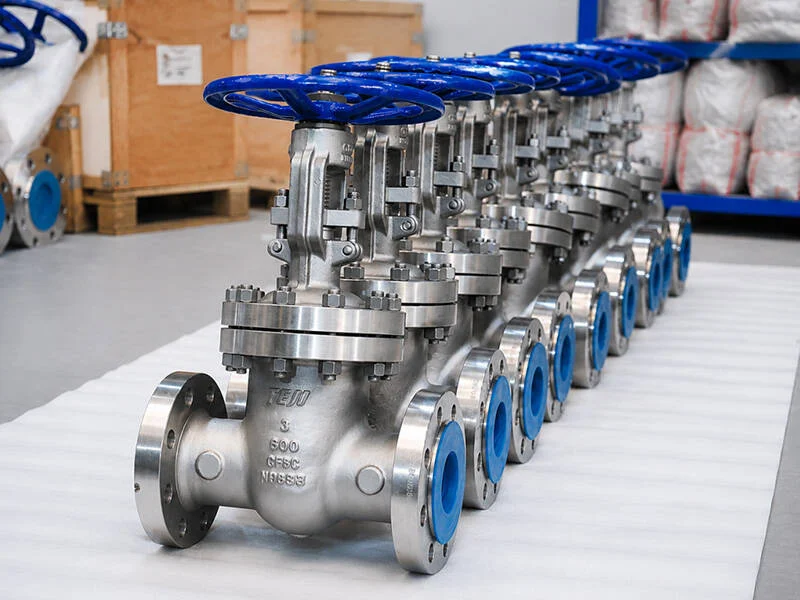
Are all valves turned clockwise to close and counterclockwise to open?  

You Are Here:

Are all valves turned clockwise to close and counterclockwise to open?  

Valves are control components in fluid transportation systems, with functions such as shutting off, regulating, diverting flow, preventing backflow, stabilizing pressure, branching, or relieving overflow.

In general, most valves close clockwise and open counterclockwise, or you could say left to open, right to close. Let’s first go over some basic valve operation knowledge: since most people are right-handed, it’s easier to turn clockwise than counterclockwise with the right hand. So, from both energy-saving and safety perspectives, opening counterclockwise and closing clockwise is relatively more reasonable.

Valves with handwheels often have direction arrows or O→S markings (O for Open, S for Shut).

are all valves turned clockwise to close and counterclockwise to open

Are all valves clockwise to close?

There are actually exceptions! For example, pressure-reducing valves on oxygen, hydrogen, and nitrogen cylinders open clockwise and close counterclockwise. High-pressure oxygen cylinder angle valves open clockwise and close counterclockwise; the outlet pressure-reducing valve increases pressure by turning clockwise and decreases pressure (closes) by turning counterclockwise. The back of the cylinder outlet is equipped with a safety device. When using oxygen, turn the handwheel counterclockwise to open the oxygen valve. When the handwheel rotates, the stem rotates as well, which then moves the valve through a switch plate, causing the valve to move up or down. When the valve moves up, it opens the cylinder and allows gas to flow out of the outlet. When the valve moves down and presses tightly, the valve closes completely due to the nylon valve seat inside. The valve movement range is 1.5–3mm.

Working principle: An oxygen inhalator is made up of a pressure gauge, a pressure-reducing valve and safety valve, a flow meter, a flow control valve, and a humidifier bottle. High-pressure oxygen is reduced by the pressure-reducing valve, turning from high-pressure to low-pressure oxygen. It then passes through the flow meter into the humidifier bottle. After humidification, it flows out through the low-pressure output to supply oxygen to the patient, with the flow rate adjustable by the flow controller.
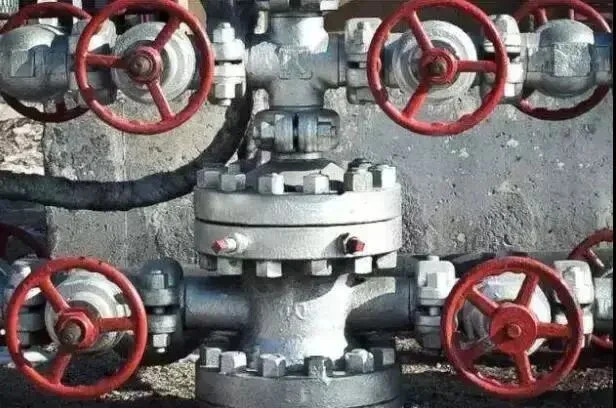
are all valves turned clockwise to close and counterclockwise to open

Also, some special valves like slide valves and butterfly valves, due to their installation positions, may open clockwise and close counterclockwise.

Special valves are usually reversed, so you need to pay attention when operating them. Improper installation means operators must observe these details carefully. Details determine success—carelessness is not allowed. Special valves are generally marked at visible locations with operating directions, and some places even post operational procedures at the special valve sites to prevent misuse.
Search Here

Other News

MediaCompany News
The flow rate and velocity of a valve mainly depend on the valve diameter, are also related to the resistance of the valve’s structure to the medium, and are intrinsically related to factors such as valve pressure, temperature, and medium concentration.What exactly is the relationship between the two?
MediaCompany News
What exactly are “steel” and “iron,” what are their properties, and what is the relationship between them? Where do the terms 304, 304L, 316, and 316L come from, and what are the differences between them? Steel: A material with iron as its main element, generally containing less than 2% carbon, and also containing other elements. —GB/T 13304-91 “Classification of Steel” Iron: A metallic element, atomic number 26. Iron materials have strong ferromagnetism and good plasticity and thermal conductivity. Stainless Steel: A type of steel resistant to weak corrosive media such as air, steam, and water, or possessing rust-resistant properties. Commonly used grades are 304, 304L, 316, and 316L, which are the 300 series of austenitic stainless steels.
MediaCompany News
Valve Operating Temperature The operating temperature of a valve is determined by the material it is made of. The operating temperatures of commonly used valve materials are as follows:

Get In Touch

Welcome to Special Valve Group! As a leading manufacturer of high-performance valves, we specialize in custom solutions for industrial, oil & gas, and petrochemical applications. Whether you need technical consultation, product quotes, or after-sales support, our team is ready to assist. Feel free to email us at [email protected] or fill out the form below. We’ll respond to your inquiry within 24 hours.
Get A Quote
Welcome to Special Valve Group! As a leading manufacturer of high-performance valves, we specialize in custom solutions for industrial, oil & gas, and petrochemical applications. Whether you need technical consultation, product quotes, or after-sales support, our team is ready to assist. Feel free to email us at [email protected] or fill out the form below. We’ll respond to your inquiry within 24 hours.

Special Offer

20% off

on your first order

Welcome to Special Valve Group! As a leading manufacturer of high-performance valves, we specialize in custom solutions for industrial, oil & gas, and petrochemical applications. Whether you need technical consultation, product quotes, or after-sales support, our team is ready to assist. Feel free to email us at [email protected] or fill out the form below. We’ll respond to your inquiry within 24 hours.

Teji Valve Group Co., Ltd.
Welcome to Special Valve Group! As a leading manufacturer of high-performance valves, we specialize in custom solutions for industrial, oil & gas, and petrochemical applications. Whether you need technical consultation, product quotes, or after-sales support, our team is ready to assist. Feel free to email us at [email protected] or fill out the form below. We’ll respond to your inquiry within 24 hours.