Introduction
In marine engineering, offshore platforms, and seawater systems, valves operate in a unique environment. Seawater, salt spray, high humidity, and continuous operation cycles combine to create a long-term service environment. In this context, a frequently overlooked fact is that the greatest enemy of marine operations is not pressure, but time.
01 Marine operational issues never happen “in an instant”
Many people view corrosion as a single “damage event.” However, in a marine environment, it is more of a “continuous process.” The salt in seawater does not exert its full impact all at once, nor does salt spray alter the equipment’s condition in a short time. The real change occurs through a slow but steadily accumulating process.
Therefore, the question regarding equipment in marine environments is often not “Can it work?” but rather “How long can it last?”
02 Why is onshore experience not fully applicable to marine environments?
A valve that performs reliably onshore cannot simply be transferred to a marine environment. The reason is straightforward: marine environments introduce new variables. Beyond pressure, temperature, and the process medium, these include the effects of constant salt spray, high humidity, and long-term continuous operation.
These factors do not alter the valve’s basic function, but they do change its “lifecycle performance.” Consequently, the logic behind valve selection for marine engineering is not merely about matching parameters, but about ensuring suitability for the specific operating conditions.
03 Nickel-aluminum bronze alloys: Suited for corrosive marine environments
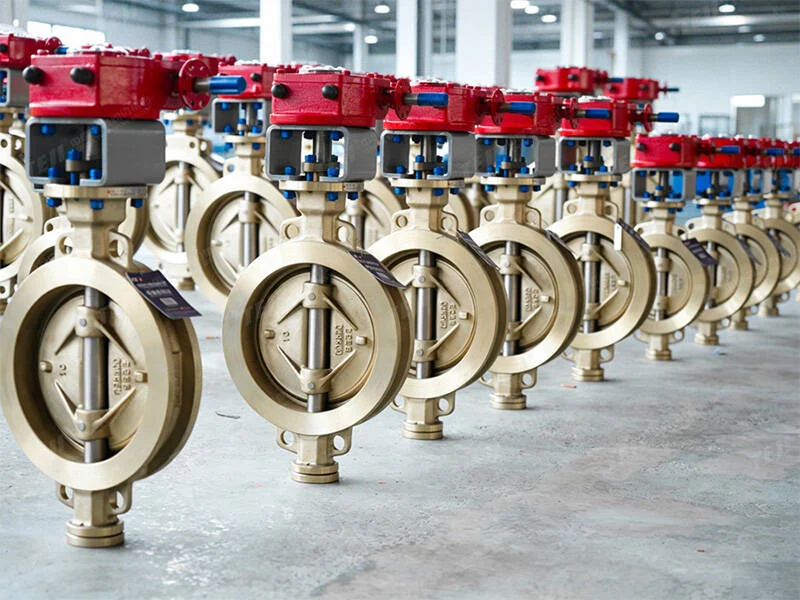
Corrosion is the primary cause of valve failures in offshore oil and gas operations. TEJI Valves has designed high-performance nickel-aluminum bronze alloy valves specifically for these conditions. These valves form a dense, protective passivation layer when exposed to seawater immersion and salt spray, effectively blocking chloride ion erosion and offering superior corrosion resistance compared to standard carbon steel or stainless steel. They also exhibit excellent resistance to erosion, cavitation, and marine biofouling, ensuring stable performance in the complex, all-weather conditions of marine environments.
However, it is important to emphasize that material selection is not about comparing a single performance metric; it is about ensuring overall compatibility with the operating environment.
04 A system is never comprised of just one type of valve
Corrosion is the primary cause of valve failures in offshore oil and gas operations. Marine engineering systems typically feature complex structures and extensive process chains. Different locations impose varying functional requirements on valves.
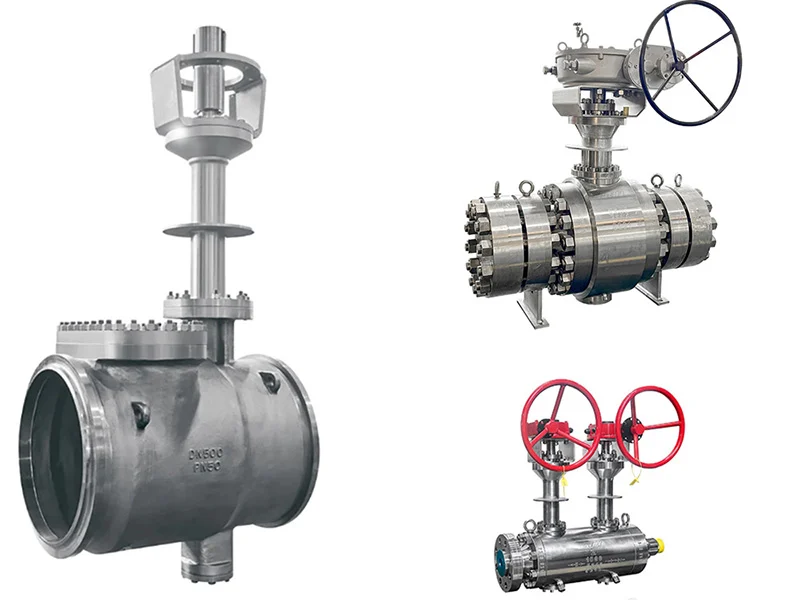
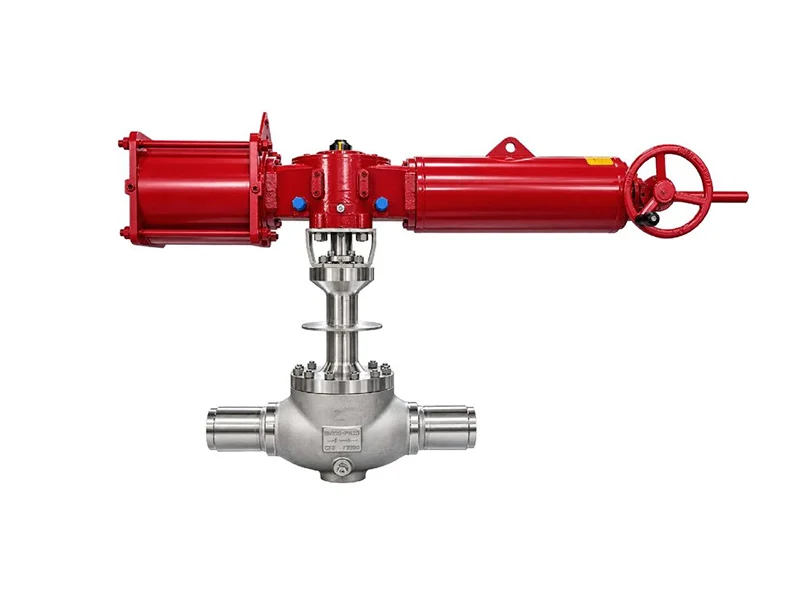
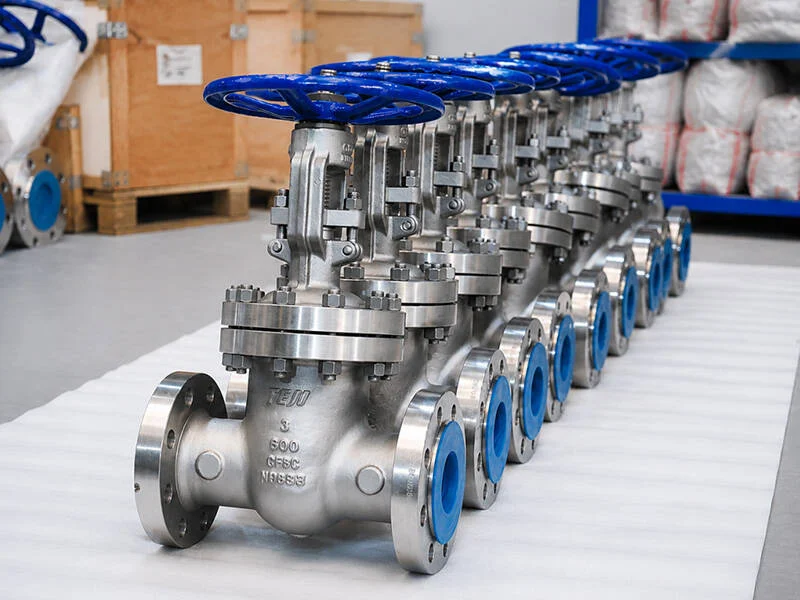
Common types include: double-offset butterfly valves (large-diameter control), ball valves (rapid opening/closing), gate valves (full open/close), and globe valves (flow regulation).
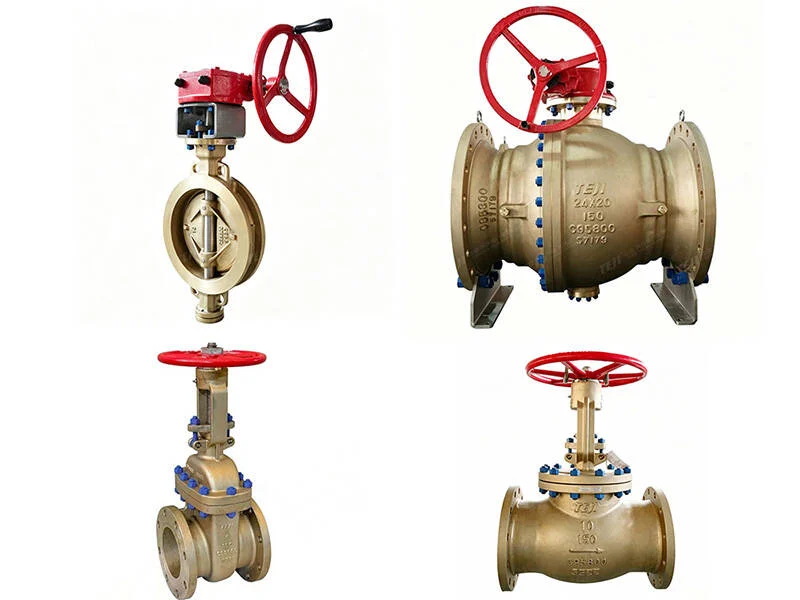
While their functions differ, they must operate in concert within the same system. In other words, system capability stems from the combination of structures rather than from any single product.
In marine engineering, a frequently overlooked logic is that product specifications cannot dictate the operating conditions; rather, the operating conditions themselves determine the selection criteria. Factors such as corrosive environments, operational cycles, and maintenance conditions collectively shape the final solution. Systems exposed to seawater over the long term are essentially contending with the combined effects of time and the environment. Addressing such conditions requires not merely a focus on isolated parameters, but a demonstration of overall system compatibility.
To meet the specific demands of marine engineering and seawater system applications, TEJI Valves has continuously optimized and refined its nickel-aluminum bronze valve portfolio. The product range encompasses double-offset butterfly valves, ball valves, gate valves, and globe valves, providing tailored valve solutions for diverse marine operating conditions.