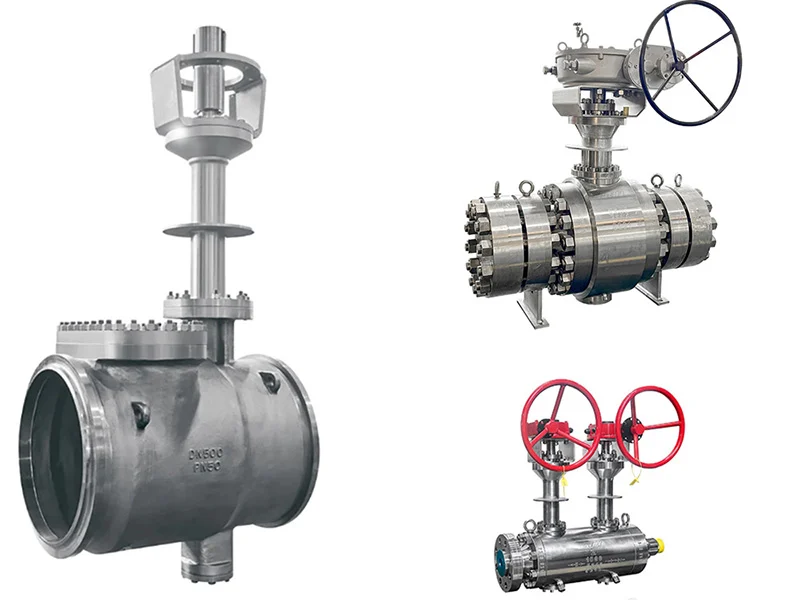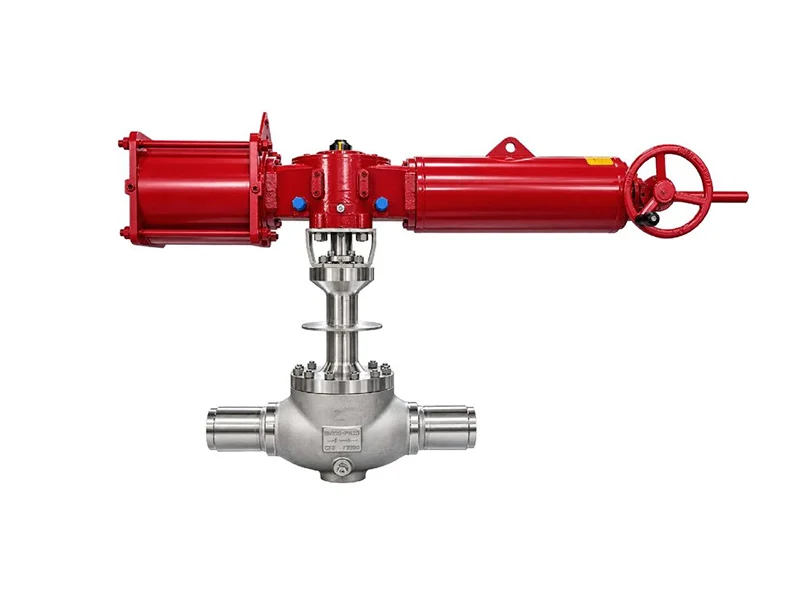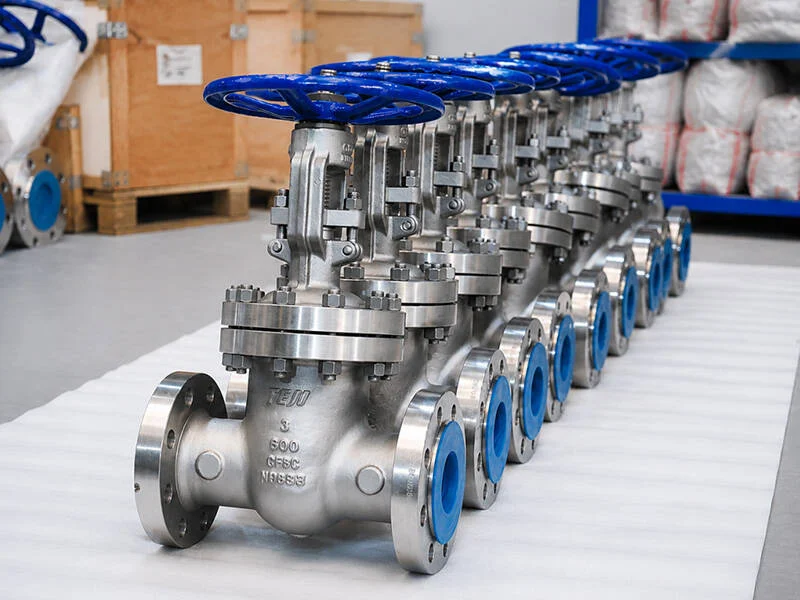
Valves are control components in fluid transport systems. They can be used in fluid control systems to control the flow of various types of fluids, including air, water, steam, various corrosive media, mud, oil, liquid metals, and radioactive media.
Standards for Determining Internal Leakage in Valves
The method for determining internal leakage in valves is as follows: After the valve has been closed for 4-6 hours, use an infrared thermometer to measure the metal temperature at the valve stem (near the valve body) or 150mm downstream of the valve body. If the temperature exceeds 70℃, it is considered an “internal leak.” This method is applicable to most valves with internal leaks.
However, in actual work, we have encountered the following special situations:
(1) Due to the installation location of the pipeline, some valves have disturbed high-temperature steam before and after them, such as drain valves or sewage valves connected to pressurized drain or discharge headers. Even if these valves are airtight, their valve stem temperatures will exceed 70℃.
(2) For drain valves or blowdown valves connected side-by-side to the main drain pipe, if the last valve is located close to the main pipe, any internal leakage in any branch valve will cause the temperature of other valves to rise to over 70°C, such as boiler blowdown valves and superheated steam drain valves. Therefore, the internal leakage of these valves must be determined using other methods, generally by measuring the temperature of the pipe wall before the valve or the temperature of the valve stem before the primary valve.
If the operator confirms or suspects internal leakage in a valve, the maintenance personnel must be notified to come to the site for confirmation. Only after joint confirmation with the maintenance personnel that it is an internal leakage can the defect be registered.
Precautions for valve operation
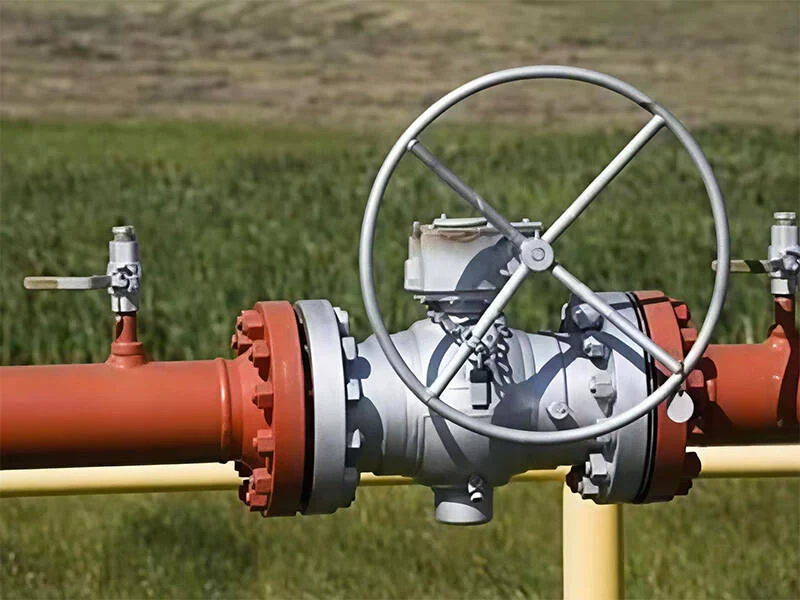
For manually operated drain valves in the thermal system, tighten them again half an hour after operation to eliminate valve gaps caused by thermal expansion and contraction. For thermal pipelines with primary and secondary valves, the valve operation sequence is as follows: when opening, open the primary valve first, then the secondary valve; when closing, close the secondary valve first, then the primary valve. For gate valves, operation must only be fully closed or fully open; partial opening or closing is not permitted to reduce damage from airflow.
Precautions for Valve Management
Before unit startup, all electric and pneumatic valves must be tested. During the test, a designated person should monitor the valve and damper operation on-site, checking that the actuator linkages and pins are not loose, bent, or detached. The DCS opening indication should match the local indication. Electric valves with intermediate stops must be tested to ensure normal intermediate stop operation. Control valves must open and close in the correct direction and operate flexibly. For valves with interlocking circuits, interlocking tests should be conducted in conjunction with relevant professionals. Pneumatic control devices should operate flexibly without leakage or abnormal phenomena. If any abnormality occurs during the test, the test should be stopped immediately, and maintenance personnel should be notified promptly for handling.
Each time the unit is started, the corresponding operations should be strictly performed according to the “Operation Ticket”. All drain valves should be checked and closed as required. Six hours (within 10 hours) after closing each drain valve, for valves with temperature indicators, the valve’s internal leakage should be analyzed based on the downstream pipe temperature readings. For valves without temperature indicators, the valve’s internal leakage should be determined by measuring the pipe wall temperature before and after the valve using an infrared thermometer or by touch. If an electric or pneumatic valve is leaking internally, the electric drain valve or the manual isolation valve before the pneumatic valve should be closed. For electric or pneumatic drain valves without a manual isolation valve, if the internal leakage is significant, the electric valve should be manually closed, and the fault should be reported and maintenance contacted. If a manual valve is leaking internally, the fault should be reported and maintenance contacted.
Before each unit shutdown, a comprehensive inspection of valve defects (leakage) should be conducted. Leaking valves should be reported and the relevant maintenance department notified. During start-up, shutdown, or pressurized water discharge, after opening the drain valve, check for temperature at the valve or throttling orifice (steam trap) to ensure proper drainage and prevent corrosion caused by water accumulation in the heating pipes due to blockage.
Teji Valve Group adheres to the principle of “Quality Creates the Future” and has a complete quality assurance system to ensure product quality. This includes pre-sales, sales, and after-sales service, as well as technical consultation and training for customers.
All products undergo rigorous testing according to relevant standards before leaving the factory, guaranteeing safety. If any product fails to meet design and manufacturing standards or has inherent quality problems before delivery, we will repair it free of charge, and may even replace the entire valve. Our products are covered by a nationwide warranty, and we promise a 12-month warranty for standard valves under normal operating conditions.
Our company possesses core production processes, ensuring that our valves meet standards and are committed to producing products that give customers peace of mind and satisfaction.