What are the differences between valve materials?
What exactly are “steel” and “iron,” what are their properties, and what is the relationship between them? Where do the terms 304, 304L, 316, and 316L come from, and what are the differences between them?
Steel: A material with iron as its main element, generally containing less than 2% carbon, and also containing other elements. —GB/T 13304-91 “Classification of Steel”
Iron: A metallic element, atomic number 26. Iron materials have strong ferromagnetism and good plasticity and thermal conductivity.
Stainless Steel: A type of steel resistant to weak corrosive media such as air, steam, and water, or possessing rust-resistant properties. Commonly used grades are 304, 304L, 316, and 316L, which are the 300 series of austenitic stainless steels.
304 Stainless Steel
Performance Introduction
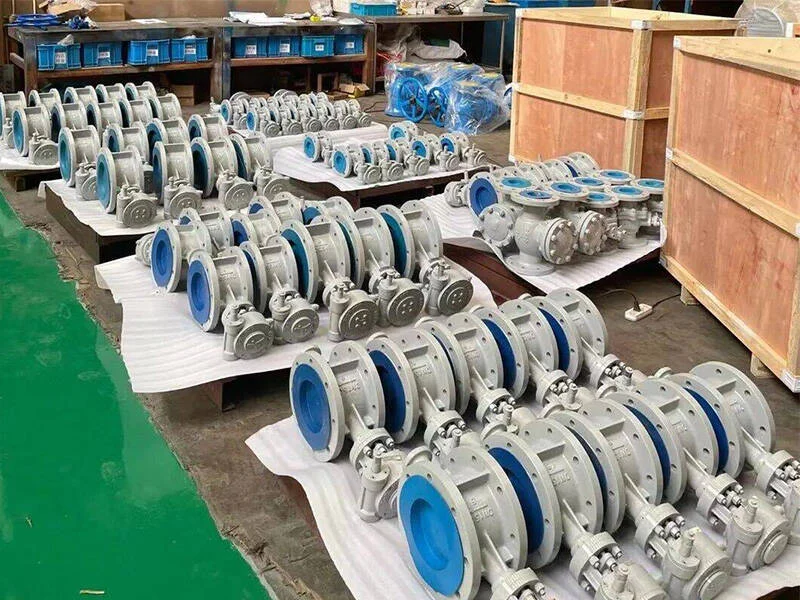
304 stainless steel is the most common type of steel. As a widely used steel, it possesses good corrosion resistance, heat resistance, low-temperature strength, and mechanical properties; it has good hot workability such as stamping and bending, and does not exhibit heat treatment hardening (non-magnetic, usable temperature -196℃~800℃).
Applications
Household goods (Class 1 and 2 tableware, cabinets, indoor piping, water heaters, boilers, bathtubs), automotive parts (windshield wipers, mufflers, molded parts), medical equipment, building materials, chemical industry, food industry, agriculture, ship components.
304L Stainless Steel (L indicates low carbon)
Performance Introduction
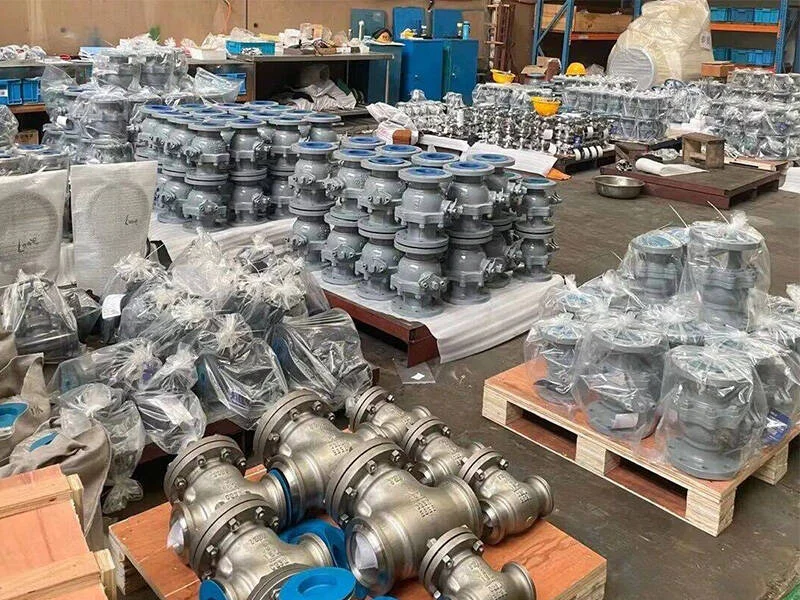
As a low-carbon version of 304 steel, its corrosion resistance is similar to that of 304 steel under normal conditions. However, after welding or stress relief, its resistance to intergranular corrosion is excellent; it maintains good corrosion resistance even without heat treatment, with an usable temperature of -196℃~800℃.
Applications
Used in outdoor machinery in the chemical, coal, and petroleum industries where high resistance to intergranular corrosion is required; heat-resistant parts in building materials; and parts where heat treatment is difficult.
316 Stainless Steel
Performance Introduction
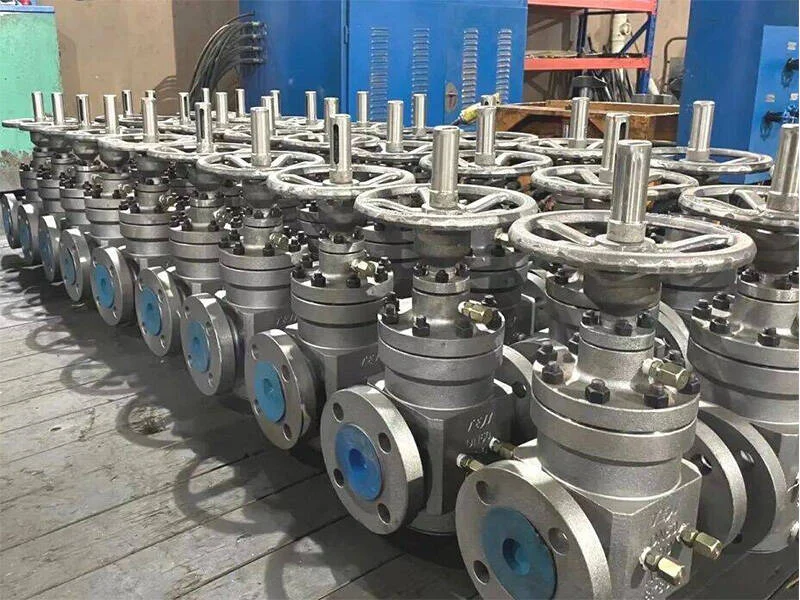
Due to the addition of molybdenum, 316 stainless steel exhibits exceptional corrosion resistance, atmospheric corrosion resistance, and high-temperature strength, allowing it to be used under harsh conditions; it also has excellent work hardening properties (non-magnetic).
Applications
Equipment used in seawater; chemical, dye, papermaking, oxalic acid, and fertilizer production equipment; photographic and food industries; coastal facilities; ropes; CD rods; bolts; and nuts.
316L Stainless Steel (L indicates low carbon)
Performance Introduction
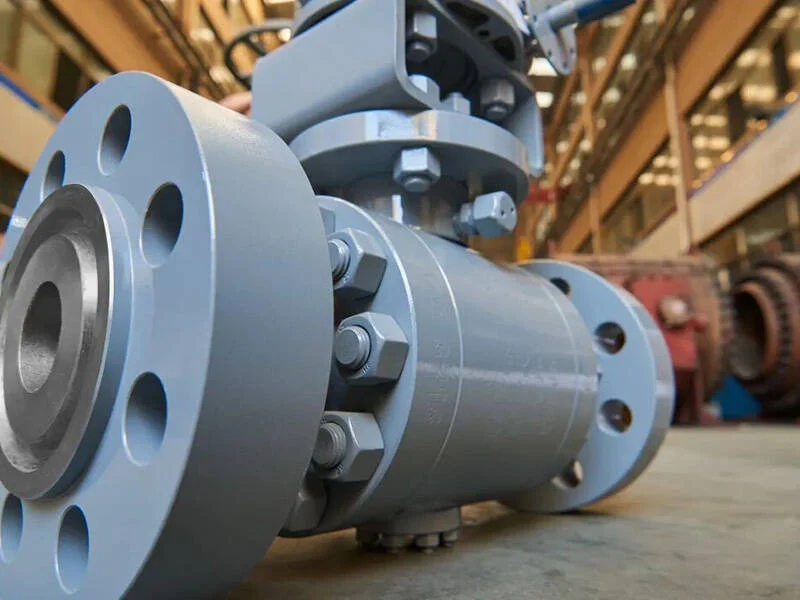
As a low-carbon series of 316 steel, in addition to sharing the same characteristics as 316 steel, it exhibits superior resistance to intergranular corrosion.
Applications
Products with special requirements for resistance to intergranular corrosion.
Performance Comparison
Chemical Composition
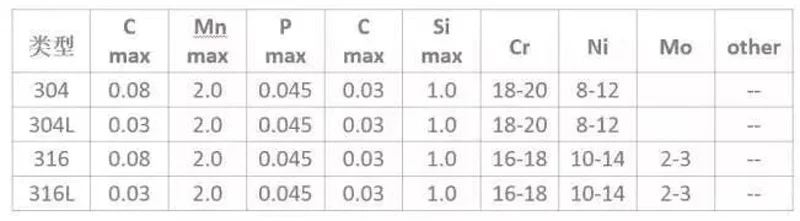
316 and 316L stainless steels are molybdenum-containing stainless steels. 316L stainless steel has a slightly higher molybdenum content than 316 stainless steel. Due to the molybdenum content, this grade of steel has better overall performance than 310 and 304 stainless steels. Under high-temperature conditions, 316 stainless steel has a wide range of applications when the concentration of sulfuric acid is below 15% and above 85%. 316 stainless steel also has good resistance to chloride corrosion, so it is commonly used in marine environments. The maximum carbon content of 316L stainless steel is 0.03%, making it suitable for applications where post-weld annealing is not possible and maximum corrosion resistance is required.
Corrosion Resistance
Generally, there is little difference between 304 and 316 stainless steel in terms of chemical corrosion resistance, although there are differences under certain specific media.
The original stainless steel developed was 304, which is relatively sensitive to pitting corrosion under certain conditions. Adding an extra 2-3% molybdenum can reduce this sensitivity, thus creating 316. Furthermore, this extra molybdenum can also reduce corrosion from certain hot organic acids.
316 stainless steel has almost become the standard material in the food and beverage industry. Due to the global shortage of molybdenum and the higher nickel content in 316 stainless steel, it is more expensive than 304 stainless steel.
In various types of aquatic media (distilled water, drinking water, river water, boiler water, seawater, etc.), the corrosion resistance of 304 and 316 stainless steel is almost identical, unless the chloride ion content in the medium is very high, in which case 316 stainless steel is more suitable.
Heat Resistance
316 stainless steel exhibits good oxidation resistance in intermittent use below 1600°C and continuous use below 1700°C. Continuous use of 316 stainless steel is best avoided in the temperature range of 800-1575°C, but it exhibits good heat resistance when used continuously outside this temperature range. 316L stainless steel has better resistance to carbide precipitation than 316 stainless steel and can be used within the aforementioned temperature range.
Heat Treatment
Annealing is performed in the temperature range of 1850-2050°C, followed by rapid annealing and then rapid cooling. 316 stainless steel cannot be hardened by heat treatment.
Welding
316 stainless steel has good weldability. It can be welded using all standard welding methods. Depending on the application, 316Cb, 316L, or 309Cb stainless steel filler rods or electrodes can be used. For optimal corrosion resistance, the weld section of 316 stainless steel requires post-weld annealing. If using 316L stainless steel, post-weld annealing is not required.
Mechanical Properties
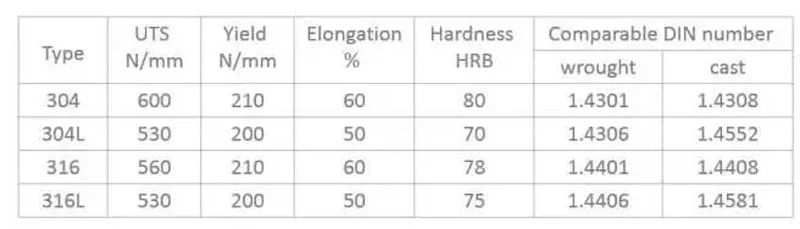
Among all steels, austenitic stainless steel has the lowest yield point. Therefore, from a mechanical property perspective, austenitic stainless steel is not the best material for valve stems, as a larger stem diameter is necessary to maintain sufficient strength. The yield point cannot be increased by heat treatment, but it can be increased by cold forming.
Magnetic Properties
Due to the widespread use of austenitic stainless steel, there is a misconception that all stainless steels are non-magnetic. For austenitic stainless steel, it can be essentially understood as non-magnetic; this is indeed the case for quenched forged steel. However, 304 stainless steel that has undergone cold forming will have some degree of magnetism. As for cast steel, 100% austenitic stainless steel is non-magnetic.