Valves come in a variety of shapes and sizes, and the valves used in water supply systems are also diverse. Their functions vary, but they all share one thing in common: all types of water supply valves open, close, or regulate water flow within a water supply system. Let’s take a look at what role valves play in water supply systems.
Valves in Water Supply Systems
1. Blocking and Rectifying Water Flow
This is the most basic function of a valve. Like a faucet, it fully opens or closes the flow path, controlling the flow or interruption of water within a specific section of the pipeline. Large water supply networks are divided into smaller areas, which are managed through the opening and closing of valves, facilitating leakage control and pressure management.
2. Regulating Flow and Pressure
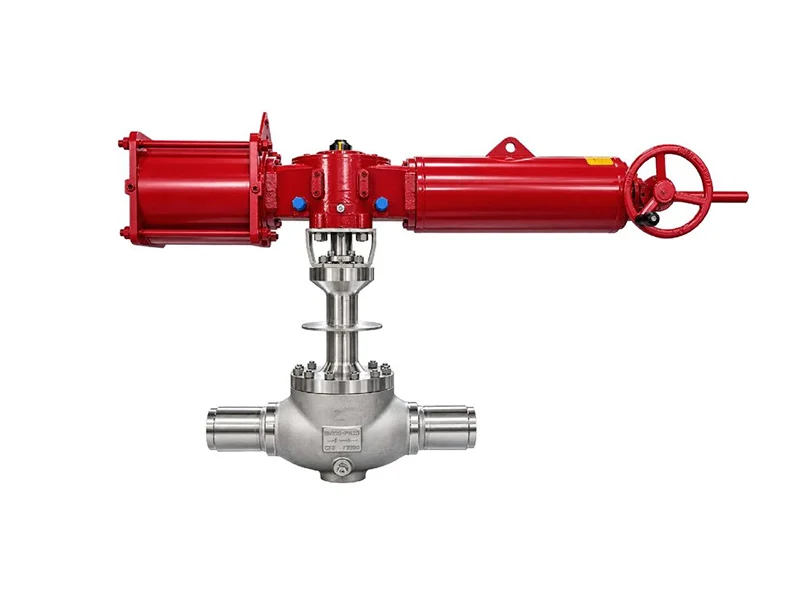
Valve openings are used to precisely control the flow and pressure of water within a pipeline. At nodes where multiple branches meet, valve openings are adjusted to control the amount of water flowing to different areas, achieving optimal flow distribution. In areas with large elevation differences or in high-rise buildings, pressure reducing valves are used to reduce the higher upstream pressure to a safe downstream level, preventing excessive pressure from causing pipe bursts or damaging water-using appliances.
3. Preventing Backflow
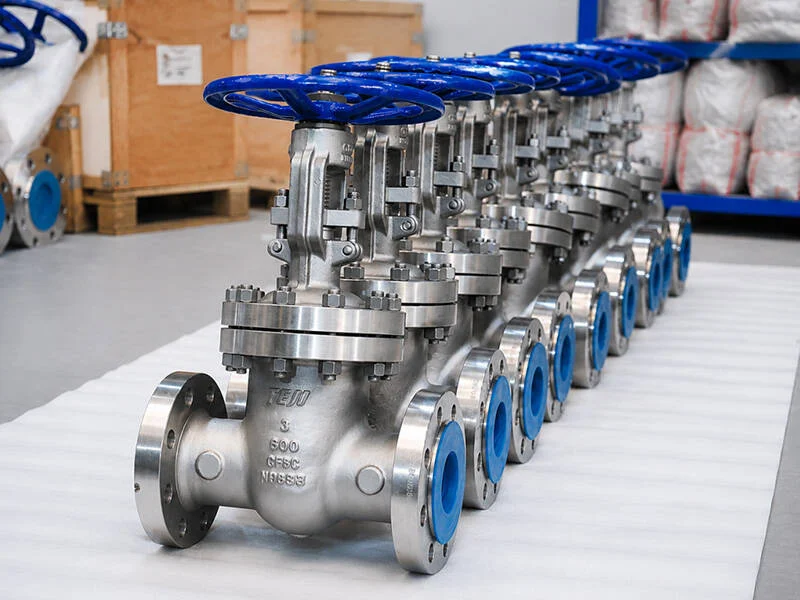
Water flow is restricted to one direction, automatically preventing reverse flow. Installing a check valve at the pump outlet is crucial. If the pump suddenly stops, the check valve automatically closes, preventing high-pressure water from impacting the pump impeller and damaging it.
4. Venting Air and Draining Water
Remove air or excess water from the system. Install an air vent valve at the highest point in the pipeline. During pipeline operation, dissolved air in the water can precipitate, forming air pockets that can affect water delivery efficiency and even damage the pipeline. An air vent valve automatically vents this air, ensuring full flow. Install a drain valve at the lowest point in the pipeline. This valve is used to completely drain the pipeline when the system needs to be drained for maintenance.
5. Overpressure Protection
When system pressure exceeds a preset safety level, the valve automatically opens to relieve pressure, protecting the pipeline and equipment from damage. Install a safety valve or pressure relief valve. When pipeline pressure suddenly rises due to pump failure or misoperation, these valves immediately activate, releasing some water to the outside (such as the atmosphere or a reservoir), thereby reducing system pressure and preventing catastrophic failure.
6. Flow Direction
Changes the flow path of water. Three-way and multi-way valves are commonly used in water treatment processes to divert water flow to different treatment tanks or process steps, ensuring uninterrupted operation and switching.
What Types of Valves Are Used in Water Supply Systems?
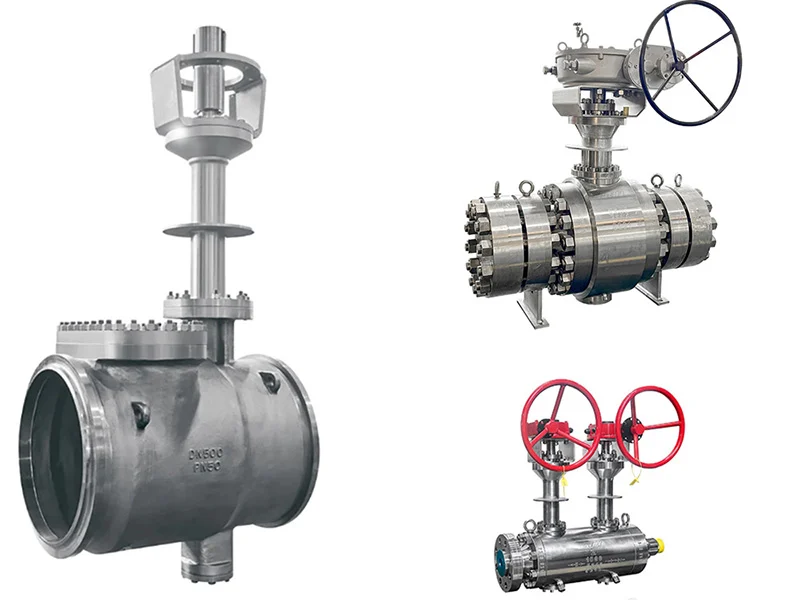
In addition to the valves mentioned above, industrial ball valves, butterfly valves, and plug valves all play important roles in water supply systems. Let’s take a look.
Industrial Ball Valves
In the supply and reuse water pipelines of sewage treatment plants, industrial ball valves can shut off wastewater and regulate flow. In reclaimed water reuse systems, ball valves control the delivery and distribution of reclaimed water, ensuring the efficient use of water resources. In urban water supply mains, industrial ball valves are installed at the pump outlet to regulate water pressure and flow, prevent water hammer, and quickly shut off water flow when pipeline repairs and maintenance are required. On branch pipes, ball valves can control water supply to different areas, facilitating localized water outages for maintenance.
Butterfly Valves
Large-diameter butterfly valves are often deployed in urban water supply mains, booster pump stations, and at regional boundaries. Their 90-degree quick opening and closing allows for zone isolation and flow adjustment. During maintenance, they can quickly shut off upstream and downstream water sources, minimizing water outages. The valve body’s internal rubber or fluorine lining ensures corrosion resistance against varying water qualities, such as tap water, river water, and lake water, while also preventing metal ion precipitation and meeting drinking water hygiene requirements.
Plug Valves
Plug valves are primarily used as opening and closing devices in water supply systems and are suitable for pipelines carrying media such as water, steam, and oil. Due to their simple structure, quick opening and closing speed, and excellent sealing performance, plug valves excel in small and medium-diameter and medium- and low-pressure pipelines, making them particularly suitable for applications requiring multi-channel structures and high hygiene standards.
Summary
Without valves, water supply systems would lack flexible scheduling, maintenance, and safety management. Any local problem could cause the entire system to shut down. Therefore, although valves are small, they are key components in ensuring safe, reliable and efficient water supply. If you are looking for a suitable valve supplier, please feel free to contact us.