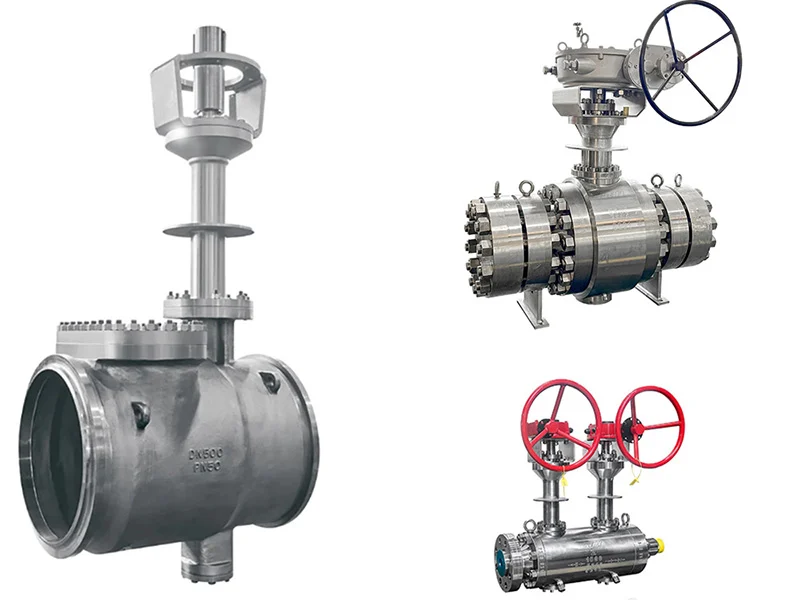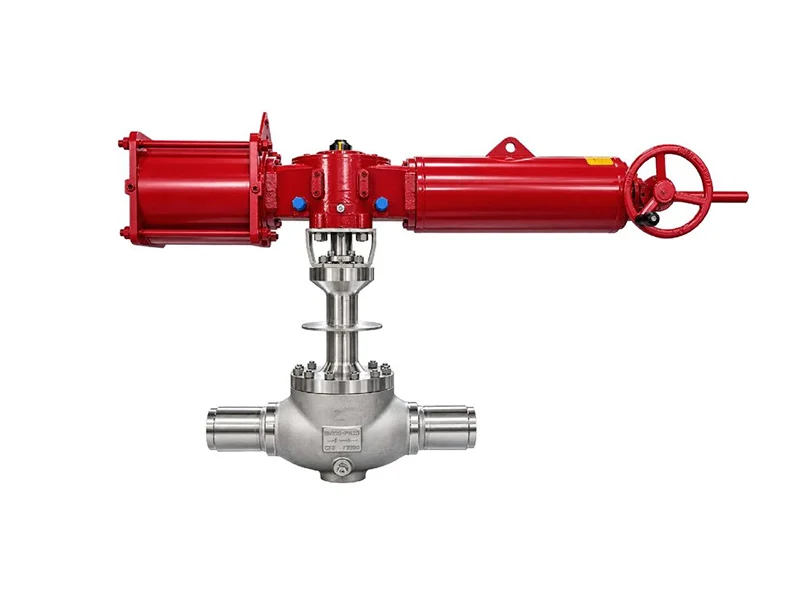
Ball valves and sliding ball valves are two common valve types. The difference between these two names leads to significant differences in their structure and operating principles.
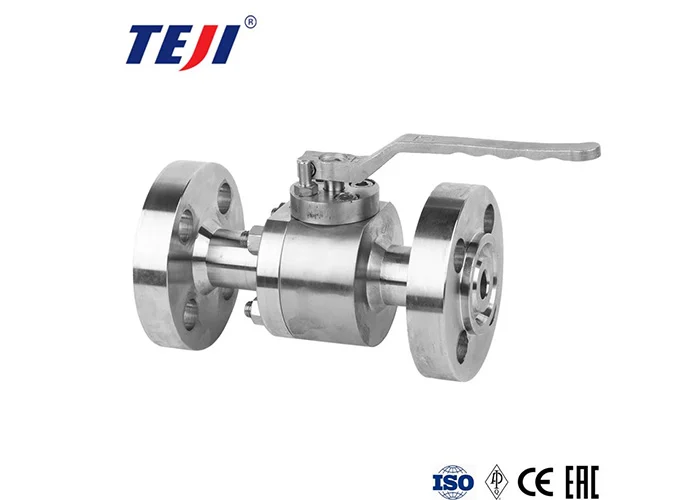
A ball valve is a valve in which the opening and closing member (a ball) is driven by a valve stem and rotates around the valve’s axis. The ball’s rotation opens and closes the valve. When the ball’s passage aligns with the pipe, the valve opens, allowing fluid to flow. When the ball rotates 90 degrees, and the passage becomes perpendicular to the pipe, the valve closes, blocking the flow.
Sliding ball valves
Sliding ball valves are a special type of valve that operates based on the sliding motion of a ball within the valve body. To open the valve, the ball, driven by a drive mechanism, slides to a specific position, unblocking the fluid passage. To close the valve, the ball slides to a closed position, blocking the flow.
The above definition clearly illustrates the difference between ball valves and sliding ball valves: whether the ball slides within the valve body. Of course, this alone doesn’t provide a clear understanding of the difference between the two. For more details, see the table below:
| Ball valve | Sliding ball valves | |
| Operation | Direct 90° rotation | First slide axially, then rotate |
| Seal wear | Rubbing against the valve seat during rotation, causing wear | Slide away from the valve seat and then rotate, with less wear |
| Torque requirements | High opening and closing torque (especially at high pressures) | Lower opening and closing torque (reduced friction) |
| Service life | Seal surface easily wears, resulting in a shorter service life | Designed to reduce wear and extend life |
| Applicable working conditions | General operating conditions (low pressure, clean media) | High pressure, particle-containing or scaling-prone media |
| Maintenance cost | Frequent valve seat replacement required | Long maintenance intervals and lower costs |
| Application scenarios | Commonly used in household plumbing, chemical,and petroleum industries | High-pressure or high-temperature systems (such as oil and gas pipelines) |
As the table above shows, sliding ball valves are more like upgraded versions of ball valves. If you’re struggling to decide between the two, here’s some advice: If your budget is limited, the media you need to transport is relatively clean, and the pressure environment is low, a ball valve is the preferred choice. If your valve requires high-pressure resistance, long life, or frequent operation, a sliding ball valve is recommended.
If you’re considering purchasing a high-quality ball valve, TEJI is a good choice. Every TEJI valve undergoes professional testing to ensure you receive a high-quality valve.