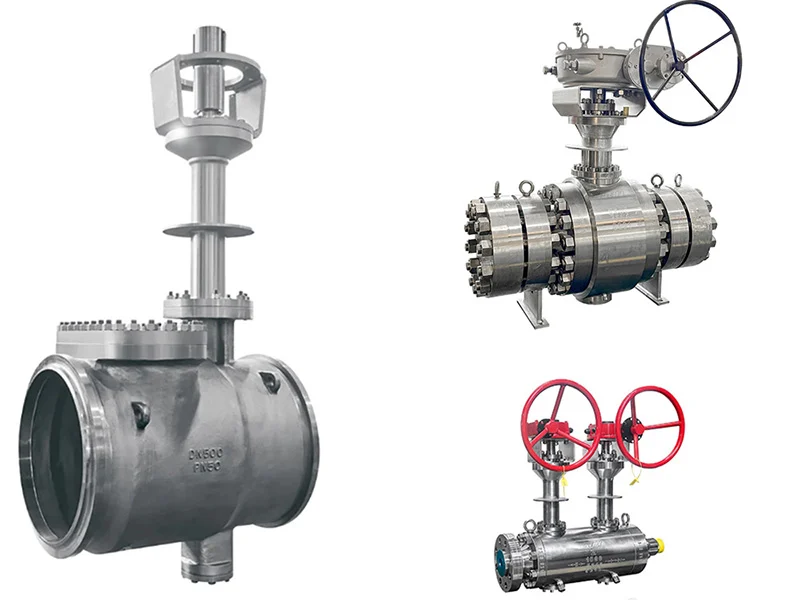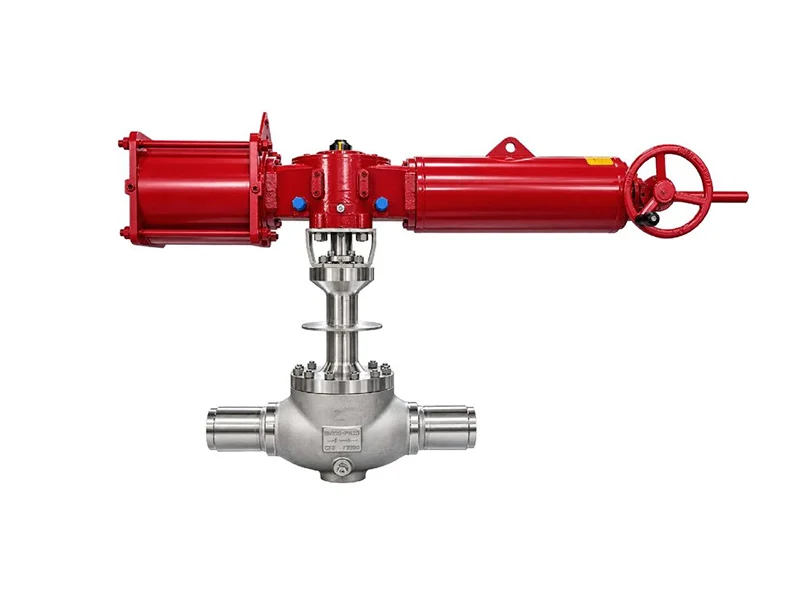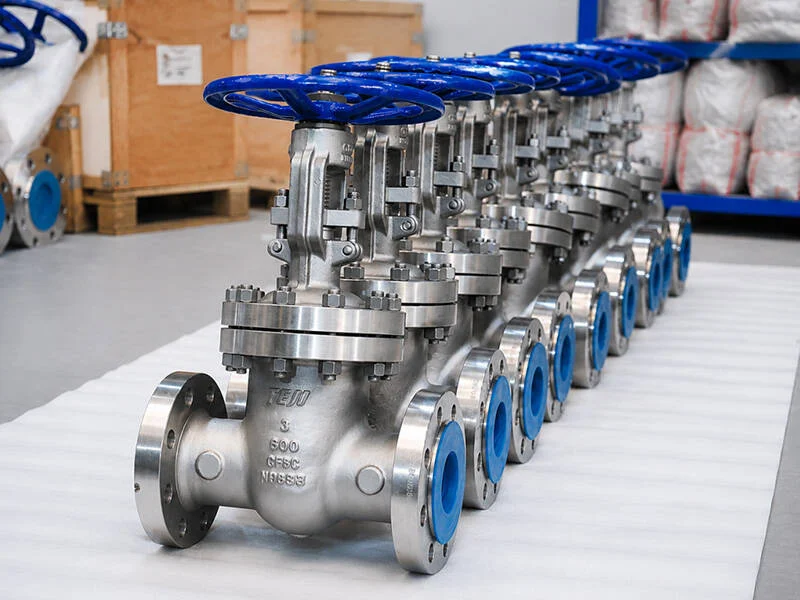
Cryogenic valves are industrial control valves suitable for media temperatures between -40°C and -253°C. They operate in cryogenic media. Industries that handle cryogenic media and extremely low-temperature, high-pressure fluids require cryogenic valves for transporting and storing these fluids.
Why Test Cryogenic Valves?
Cryogenic valve testing is a fundamental requirement for cryogenic valves. These valves operate under specific temperature conditions, requiring them to withstand certain conditions. To ensure optimal performance, cryogenic valves should be thoroughly inspected to ensure they are free of defects.
Verifying Sealing Performance
Under low temperatures, materials shrink and deform. Because hydrogen molecules are small and highly penetrating, conventional sealing structures may fail due to material shrinkage at low temperatures, leading to hydrogen leakage. Testing can assess the ability of cryogenic valves to prevent hydrogen leakage in extremely cold environments. Furthermore, the thermal expansion and contraction characteristics of valve seals and valve body materials may differ at low temperatures. Testing verifies their compatibility at low temperatures, preventing gaps in the sealing surfaces caused by these differences, thereby ensuring valve sealing performance. Ensuring Safe System Operation
Cryogenic valves are often used to transport hazardous cryogenic media such as liquid hydrogen and liquid oxygen. These media are flammable, explosive, and prone to frostbite. Leaks in valves can cause serious safety incidents such as explosions, fires, and poisoning, posing significant risks to personnel and equipment. Testing can promptly identify potential valve leaks and enable improvements and repairs to ensure the valves can reliably shut off and control the flow of media, preventing leakage and ensuring safe system operation.
Ensuring Stable System Performance
Cryogenic valves play a vital role in regulating flow and pressure in systems and are crucial for ensuring proper operation and meeting process requirements. For example, in liquefied natural gas (LNG) plants, valves must precisely control the flow and pressure of natural gas. Testing can verify the valve’s flow regulation accuracy and pressure control stability, ensuring that the valve can accurately adjust flow and pressure according to system requirements, maintaining stable system performance and meeting production process requirements.
What is Required for Cryogenic Valve Testing?
It is estimated that over 60% of valves in the industry fail basic cryogenic valve quality testing. Leakage and shell rupture are more common, and these faulty valves pose a high risk of failure and cannot be used. Therefore, cryogenic valves require multiple tests, including those involving pressure and temperature.
Pressure Testing
• Shell Testing: This tests the strength and sealing performance of the valve shell under pressure to ensure that the valve will not crack or deform when subjected to a certain pressure.
• Seal Testing: This is a key component of cryogenic valve testing, verifying the sealing performance of the valve sealing surface to prevent leakage. A static pressure test can be used, applying hydrostatic or pneumatic pressure to the valve for a specified period of time and then checking for leaks. Alternatively, a low-pressure air tightness test can be performed, applying low-pressure gas to the valve while it is closed and checking for leaks. This test complies with international standards such as API 598, ISO 5208, EN 12266-1, and the Chinese standard GB/T 13927.
Cryogenic Environment Simulation Testing
• Operational Performance Testing: This test measures the valve’s opening and closing torque in a specified low-temperature environment to verify the reliability of its continuous opening and closing operation. For example, the valve low-temperature performance tester uses a modular temperature control unit and liquid nitrogen refrigeration to simulate a cryogenic environment of -196°C. This allows the valve’s opening and closing torque to be measured at a set low temperature, verifying the reliability of continuous opening and closing operations.
• Low-temperature sealing performance testing: This test evaluates the ability of low-temperature valves to prevent leakage in extremely cold environments, focusing on the reliability of the sealing structure at low temperatures. This test verifies the compatibility of the seal and valve body materials at low temperatures to prevent sealing surface failure due to differential thermal expansion and contraction. For example, the low-temperature sealing test for hydrogen valves simulates scenarios such as liquid hydrogen storage and transportation, the low-temperature environments of hydrogen refueling stations, and the cold start of fuel cells, assessing the valve’s sealing performance under low-temperature conditions ranging from -40°C to -196°C.
Special Performance Testing
• Corrosion Resistance Testing: This test examines the valve’s corrosion resistance in corrosive environments to ensure long-term stable operation in environments containing corrosive media.
• Wear Resistance Testing: This test examines the valve’s wear resistance in abrasive environments, assessing its service life under conditions such as frequent operation or media containing particulates.
Cryogenic valves, with their low-temperature resistance, excellent sealing performance, high reliability, flexible operation, easy maintenance, high safety, long life, and high cost-effectiveness, have become indispensable equipment in many industrial fields. If you are looking for a suitable cryogenic valve manufacturer, TEJI is your ideal choice.