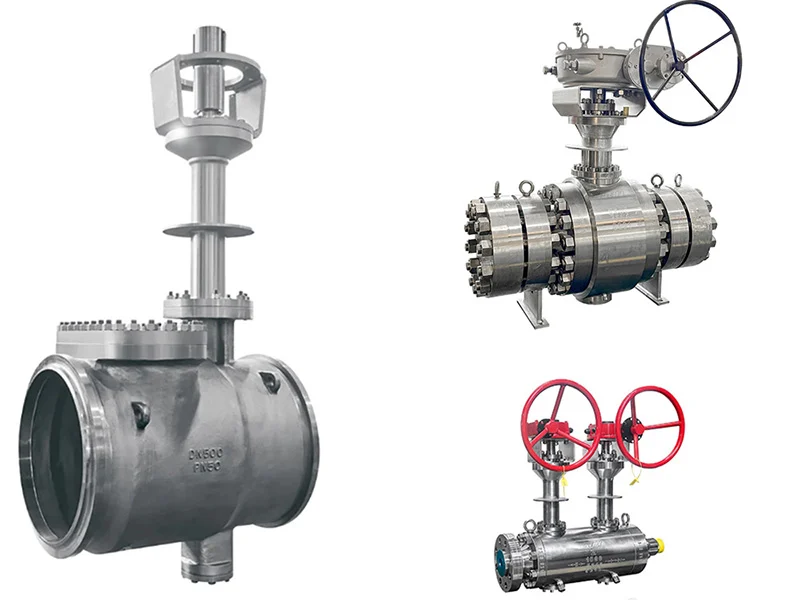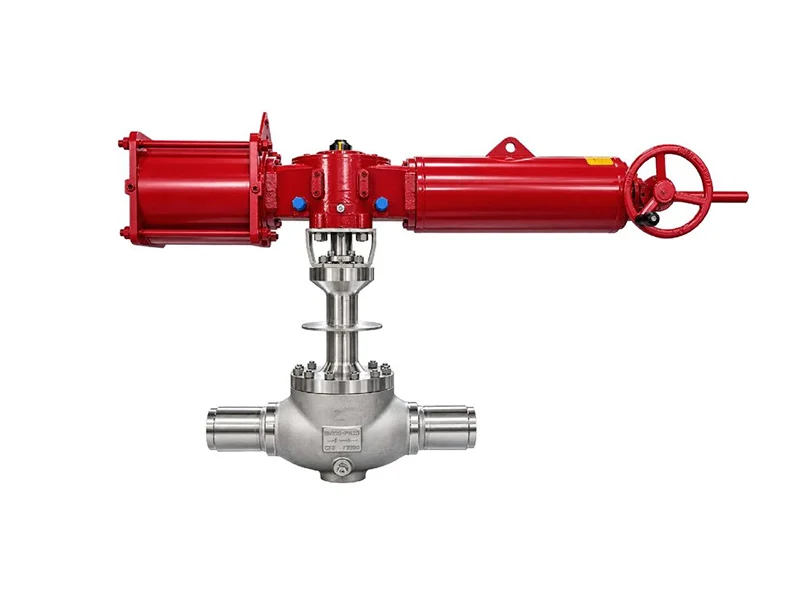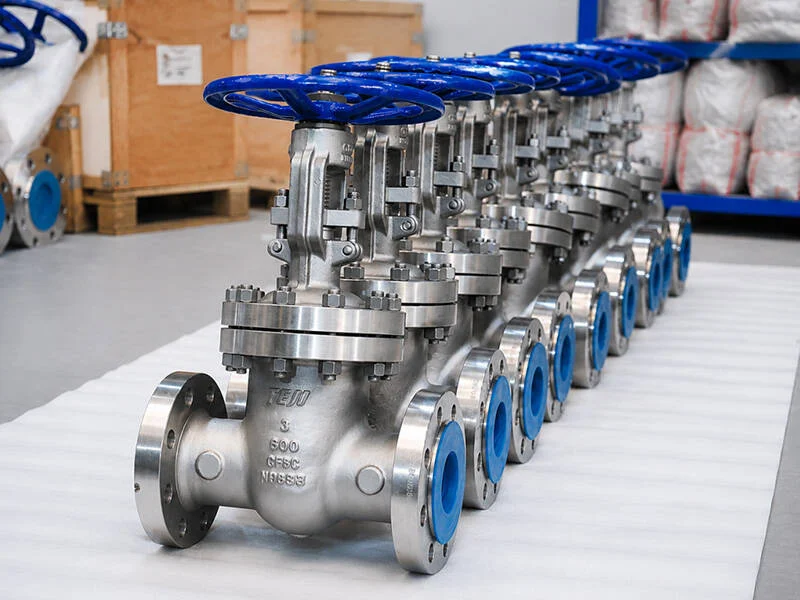
Gate Valve Definition and Terminology
- Gate Valve Definition: A gate valve is a valve that opens and closes by moving its gate perpendicular to the direction of media flow (channel axis). Among various types of valves, the gate valve is the most widely used. Gate valves are mainly used in pipelines to cut off the medium, i.e., fully open or fully closed. They are suitable for low temperature and low pressure as well as high temperature and high pressure, and can be used for various media depending on the valve’s material.
- Component Names and Terminology: A gate valve mainly consists of a valve body, valve cover, bracket, valve stem, valve stem nut, gate, valve seat, stuffing box, sealing packing, upper sealing seat, packing gland, and transmission device.
- Characteristics of Gate Valves: Gate valves have the following advantages: ♦ Low fluid resistance: The media channel inside the valve body is straight, and the medium does not change its flow direction when flowing through the gate valve. ♦ Lower torque required for opening and closing; ♦ Can be used in ring network pipelines where the medium flows in both directions, i.e., the flow direction of the medium is not restricted. ♦ Relatively simple structure, easy to manufacture. ♦ Good sealing performance: minimal erosion of the sealing surface when fully open.
Disadvantages of gate valves: ♦ Long opening and closing time required; larger overall dimensions and opening height; requires more installation space. ♦ Requires a longer time to open or close. ♦ During opening and closing, there is relative friction between the sealing surfaces, resulting in greater wear, and even scratches at high temperatures. ♦ Gate valves generally have two sealing surfaces, increasing the difficulty of machining, grinding, and maintenance.
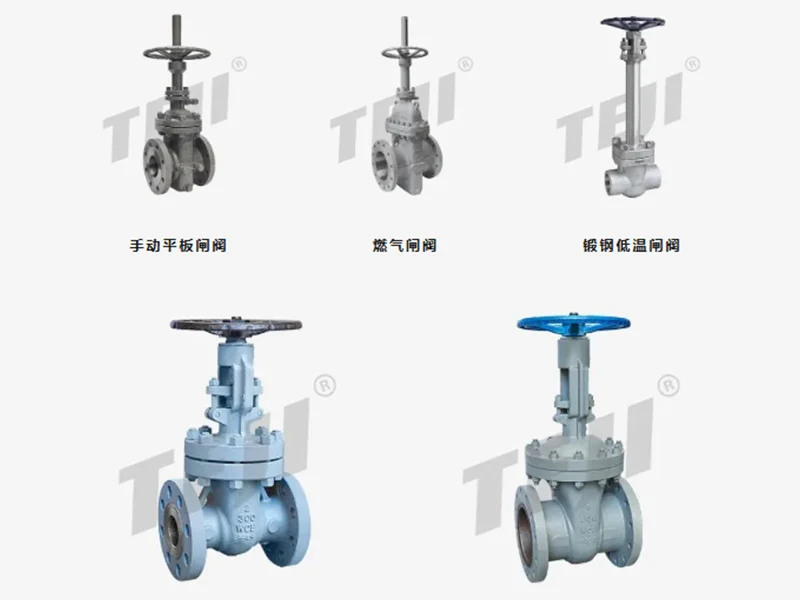
Gate Valves Classification
Based on stem structure, gate valves can be classified into: rising stem gate valves and non-rising stem gate valves.
Rising Stem Gate Valve: A gate valve where the valve stem is raised or lowered (without rotation) by rotating the valve stem nut to open and close the gate. This structure is beneficial for stem lubrication, provides a clear gate opening, and the stem thread and nut do not contact the medium, making it unaffected by medium temperature and corrosiveness.
Non-rising Stem Gate Valve: The valve stem nut is in contact with the medium within the valve body, and the gate is opened and closed by rotating the valve stem. This structure results in a smaller valve height, but its opening and closing stroke is difficult to control, requiring an indicator. The stem thread and nut are in contact with the medium, making it susceptible to the effects of medium temperature and corrosiveness. Therefore, it is suitable for non-corrosive media and harsh environmental conditions.
Based on gate construction, gate valves can be classified into parallel gate valves and wedge gate valves.
Parallel Gate Valve: A gate valve where all sealing surfaces are parallel to each other and perpendicular to the centerline of the valve body passage. The gate valve can be a single gate or a double gate with a spreading mechanism. Flat gate valves have low flow resistance; the flow resistance of a non-reduced flat gate valve is similar to that of a short straight pipe. Flat gate valves with flow guide holes can be directly used for pipeline cleaning with a pig. Furthermore, because the gate slides on the sealing surfaces of the two valve seats during opening and closing, it is suitable for media containing suspended particles. Additionally, flat gate valves do not suffer from sealing surface overload due to stem thermal elongation.
However, flat gate valves have the following disadvantages:
a) When the medium pressure is low, the sealing force of the metal sealing surface is insufficient to achieve satisfactory sealing performance;
b) When the medium pressure is high, frequent opening and closing may cause excessive wear on the sealing surface;
c) The gate will generate severe vibration when cutting off high-speed and high-density media;
d) The circular gate, moving laterally on a circular flow channel, is only sensitive to flow control when it is in the valve’s closed position (50%).
Wedge Gate Valve: A gate valve with two wedge-shaped sealing surfaces. The purpose of using a wedge shape is to increase the auxiliary sealing load, achieving sealing under both high and low media pressures. The wedge gate valve body has a guide mechanism (guide ribs) to prevent the gate from rotating during opening or closing, ensuring proper alignment of the gate and valve seat sealing surfaces. Simultaneously, the wedge gate valve does not rub against the valve seat before closing, thus reducing wear on the sealing surface.
However, wedge gate valves have the following disadvantages:
a) Solid particles from the flowing medium can easily become trapped on the sealing surface;
b) Thermal expansion of the valve stem may overload the sealing surface;
c) The gate cannot be equipped with a flow guide orifice.
TEJI Gate Valves
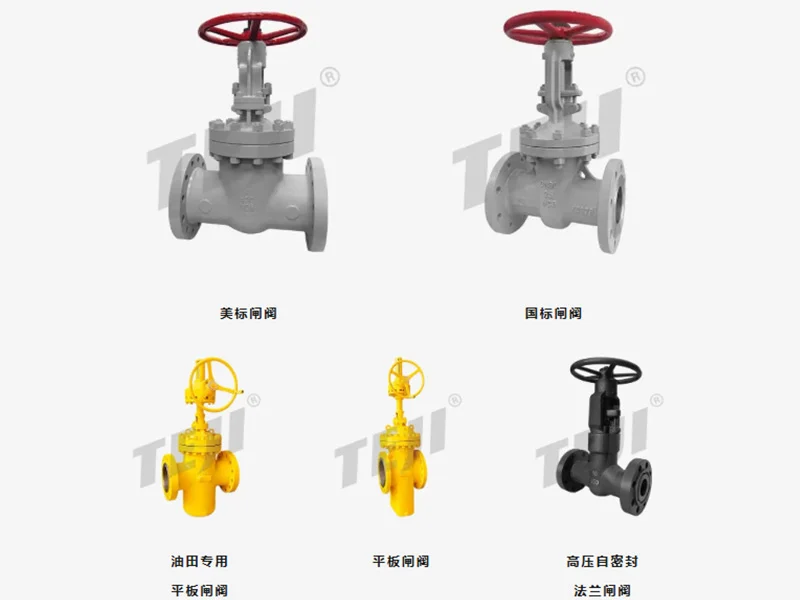
TEJI Valve Group Co., Ltd. manufactures gate valves with sealing surfaces made of alloy steel or hard alloy, offering excellent wear resistance and abrasion resistance. They also utilize flexible graphite packing, ensuring reliable sealing and easy, flexible operation. The flow direction of the medium is unrestricted, without turbulence or pressure reduction. The valves feature a simple design, short structural length, excellent manufacturability, and wide applicability.
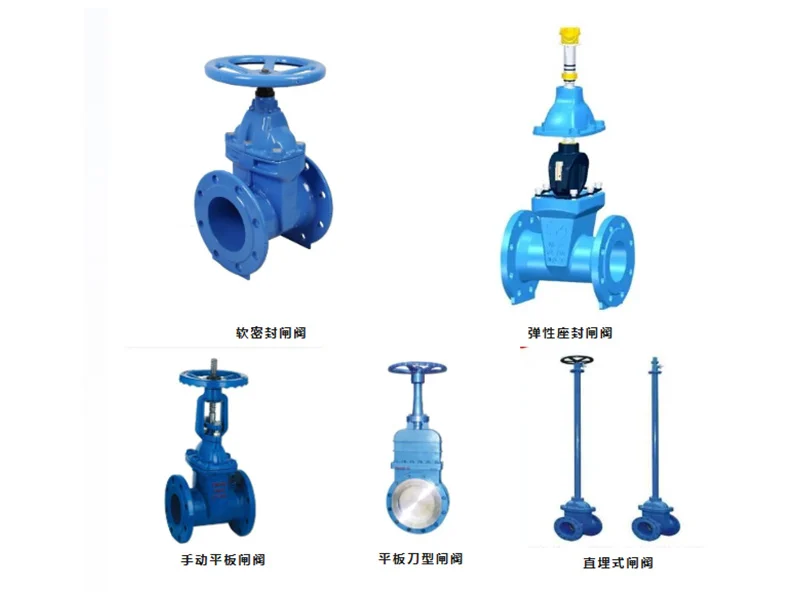
TEJI Valve Group not only specializes in producing high, medium, and low-pressure industrial valves and cryogenic valves, but also manufactures water system valves suitable for smart water management and long-distance water transmission projects. With a comprehensive product portfolio, strong matching capabilities, high cost-effectiveness, and long service life, TEJI’s comprehensive advantages place it at the forefront of the industry. The company is committed to providing the market with “energy-saving, intelligent, environmentally friendly, safe, aesthetically pleasing, and durable” products and worry-free service!