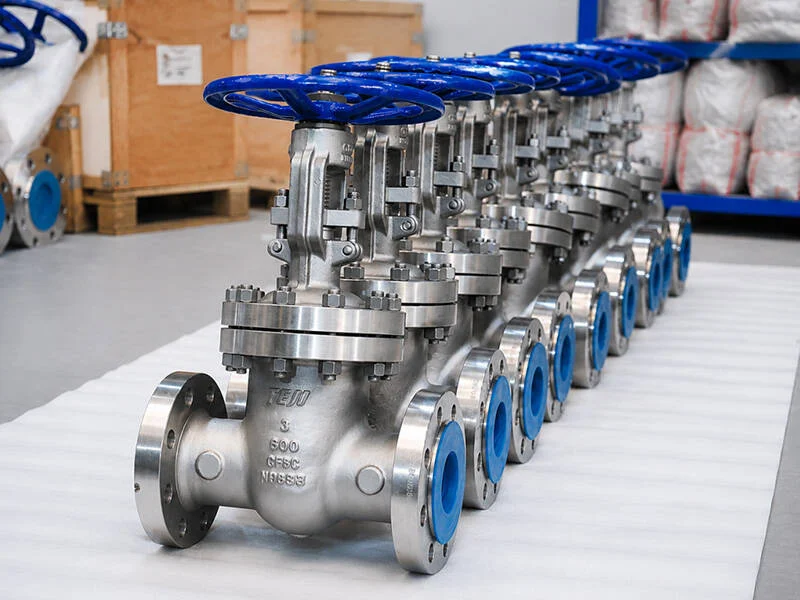
Conditions for Valves in Modern Coal Chemical Industry

You Are Here:

Conditions for Valves in Modern Coal Chemical Industry

Valve Material Requirements

Due to the presence of oil-coal slurry in the direct coal liquefaction reaction, the wear and tear on valves, pipelines, and other equipment materials caused by the coal slurry must be considered. Therefore, the materials used to manufacture valves must possess comprehensive performance that meets the usage requirements. Specifically, they should have:

(1) Excellent density, purity, and homogeneity, which describe the internal properties of the material. This is especially important for thick (or large cross-section) steel.

(2) Chemical composition, room temperature, and high temperature mechanical properties that meet the design specifications.

(3) Resistance to environmental embrittlement for long-term use in harsh environments.

Valve Process Requirements

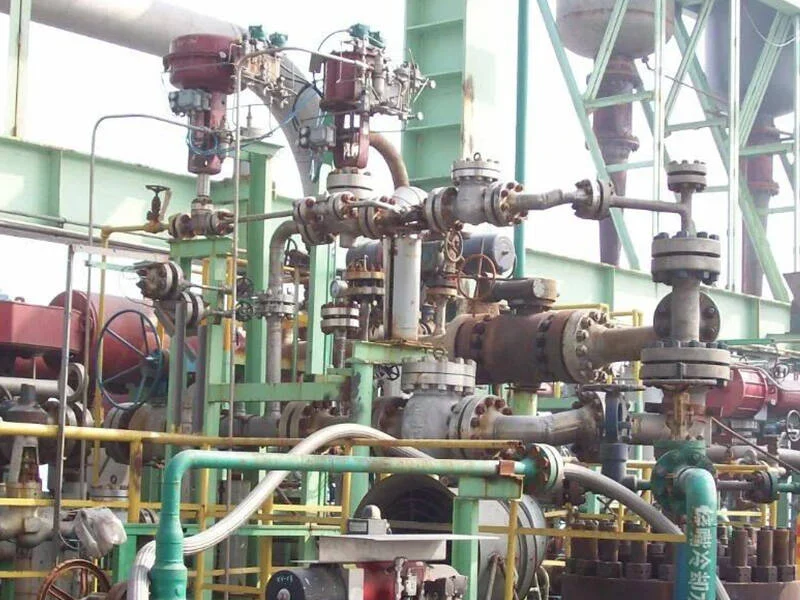
Direct coal liquefaction involves both the high temperature, high pressure, and hydrogen-exposed characteristics of hydrogenation equipment and the coexistence of corrosion and wear conditions in coal chemical industry. Therefore, the source of raw materials is crucial. Generally speaking, specific index requirements are set for the composition of valve materials, especially the content of harmful elements. Although these requirements are often higher than the basic ordinary requirements for materials, these composition indicators alone are insufficient for the quality of the final product. Therefore, foundries should strictly control the source of raw materials. The raw materials used for processing should not only be smelted but also further refined, especially by strengthening pre-furnace control. Only in this way can the quality of castings be guaranteed.
conditions for valves in modern coal chemical industry

Valve Structure Requirements

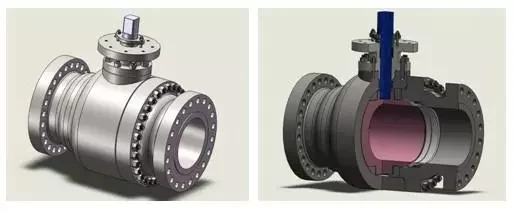
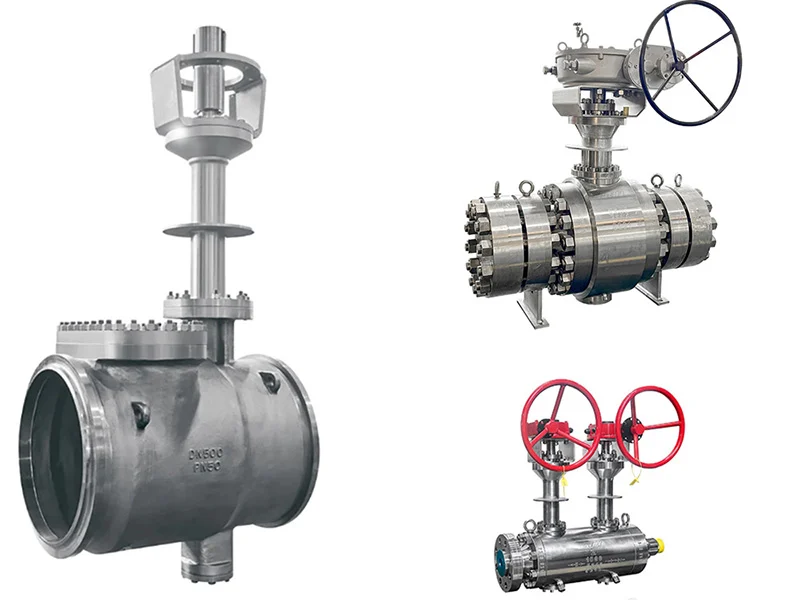
The valve structure design should avoid coal slurry coking that could cause valve failure and facilitate cleaning. Oil-coal slurry has a characteristic: if the flow is obstructed or stagnant, meaning the medium’s flow conditions are poor, sediment will accumulate and may undergo polymerization, leading to coking and valve seizure. Currently, all shut-off valves used in direct liquefaction coal slurry pipelines are ball valves. When the pipeline needs to be shut off and the ball valve is closed, the oil-coal slurry inside the ball cannot be discharged and will accumulate in the ball cavity, potentially causing coking and seizure. Therefore, ball valves are not the most suitable choice under this condition.
conditions for valves in modern coal chemical industry

Valve Wear Resistance Requirements

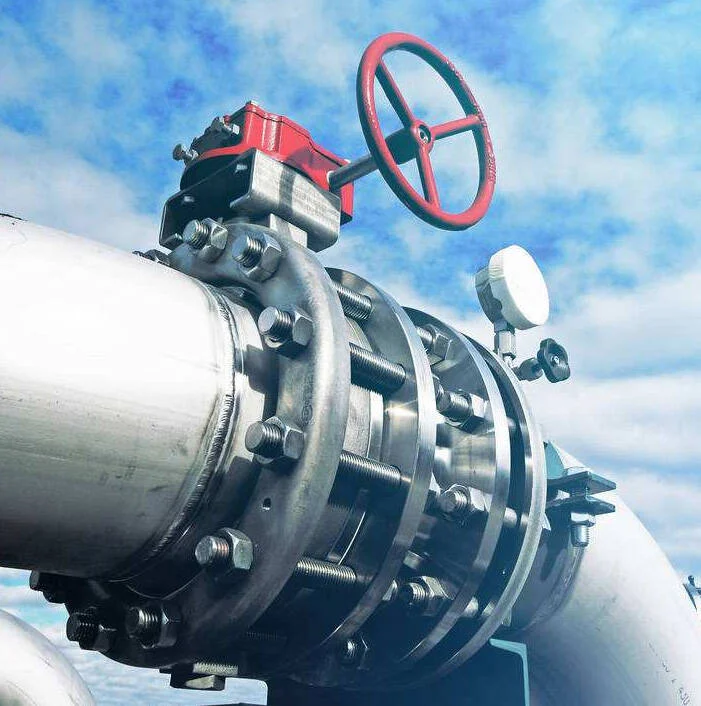
Ball valves used in slurry conditions should adopt a metal hard seal type, and the valve seat and ball should be made of the same material to ensure that they have the same coefficient of expansion, preventing the ball from ‘jamming’ under high-temperature conditions. Many valve applications experience difficulties opening and closing at high temperatures, primarily due to asynchronous thermal expansion between the valve core and body. Therefore, manufacturers should conduct high-temperature opening and closing tests before shipment. In actual use, the valve heats up due to the high temperature of the medium, with the valve core heating up first, followed by the outer surface of the valve body. If the entire valve is immersed in a heat source, the valve body heats up first, followed by the valve core, which is the opposite of the actual operating condition and negates the purpose of the test. The high-temperature opening and closing test should establish a temperature gradient consistent with actual operating conditions.
conditions for valves in modern coal chemical industry

The expansion rates of the coating and the base material should be similar. Otherwise, during alternating high and low temperatures, or at high temperatures, cracking is likely to occur, making the coating more prone to peeling. For high-velocity fusion (HVOF) spraying or similar methods, the coating surface hardness should be 64–68 HRC, and the bonding strength should be no less than 10 MPa; for metallurgical fusion or similar methods, the coating surface hardness should be 62–68 HRC, and the bonding strength should be no less than 70 MPa. The effective thickness of the coating (excluding the transition layer) is 0.2 to 0.5 mm.
Search Here

Other News

MediaCompany News
Valves are control components in fluid transport systems. They can be used in fluid control systems to control the flow of various types of fluids, including air, water, steam, various corrosive media, mud, oil, liquid metals, and radioactive media. Standards for Determining Internal Leakage in Valves The method for determining internal leakage in valves is as follows: After the valve has been closed for 4-6 hours, use an infrared thermometer to measure the metal temperature at the valve stem (near the valve body) or 150mm downstream of the valve body. If the temperature exceeds 70℃, it is considered an “internal leak.” This method is applicable to most valves with internal leaks.
MediaCompany News
With increasing global awareness of environmental pollution in recent years, countries and the world are striving to develop clean energy to gradually replace polluting traditional energy sources, providing impetus for development. In particular, liquefied natural gas (LNG) and liquefied petroleum gas (LPG) are rapidly emerging as new energy sources worldwide. This has led to the development of more similar cryogenic operating media, with LNG, CNG, liquid oxygen, liquid nitrogen, and liquid hydrogen being the most widespread.
MediaCompany News
Gate Valve Definition: A gate valve is a valve that opens and closes by moving its gate perpendicular to the direction of media flow (channel axis). Among various types of valves, the gate valve is the most widely used. Gate valves are mainly used in pipelines to cut off the medium, i.e., fully open or fully closed. They are suitable for low temperature and low pressure as well as high temperature and high pressure, and can be used for various media depending on the valve’s material. Component Names and Terminology: A gate valve mainly consists of a valve body, valve cover, bracket, valve stem, valve stem nut, gate, valve seat, stuffing box, sealing packing, upper sealing seat, packing gland, and transmission device. Characteristics of Gate Valves: Gate valves have the following advantages: ♦ Low fluid resistance: The media channel inside the valve body is straight, and the medium does not change its flow direction when flowing through the gate valve. ♦ Lower torque required for opening and closing; ♦ Can be used in ring network pipelines where the medium flows in both directions, i.e., the flow direction of the medium is not restricted. ♦ Relatively simple structure, easy to manufacture. ♦ Good sealing performance: minimal erosion of the sealing surface when fully open.

Get In Touch

Welcome to Special Valve Group! As a leading manufacturer of high-performance valves, we specialize in custom solutions for industrial, oil & gas, and petrochemical applications. Whether you need technical consultation, product quotes, or after-sales support, our team is ready to assist. Feel free to email us at [email protected] or fill out the form below. We’ll respond to your inquiry within 24 hours.
Get A Quote
Welcome to Special Valve Group! As a leading manufacturer of high-performance valves, we specialize in custom solutions for industrial, oil & gas, and petrochemical applications. Whether you need technical consultation, product quotes, or after-sales support, our team is ready to assist. Feel free to email us at [email protected] or fill out the form below. We’ll respond to your inquiry within 24 hours.

Special Offer

20% off

on your first order

Welcome to Special Valve Group! As a leading manufacturer of high-performance valves, we specialize in custom solutions for industrial, oil & gas, and petrochemical applications. Whether you need technical consultation, product quotes, or after-sales support, our team is ready to assist. Feel free to email us at [email protected] or fill out the form below. We’ll respond to your inquiry within 24 hours.

Teji Valve Group Co., Ltd.
Welcome to Special Valve Group! As a leading manufacturer of high-performance valves, we specialize in custom solutions for industrial, oil & gas, and petrochemical applications. Whether you need technical consultation, product quotes, or after-sales support, our team is ready to assist. Feel free to email us at [email protected] or fill out the form below. We’ll respond to your inquiry within 24 hours.