What are the commonly used valve materials?

You Are Here:

What are the commonly used valve materials?

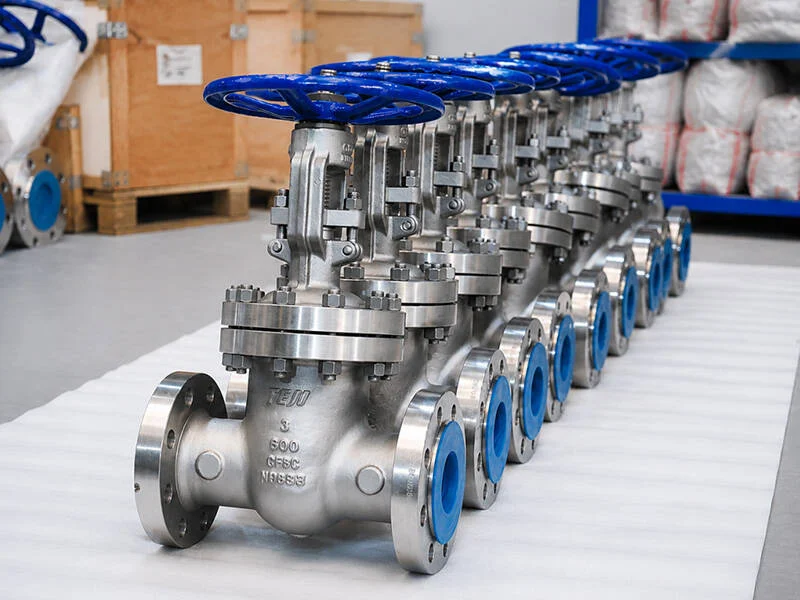
Valves are widely used in various industrial and civilian equipment, and the choice of material directly affects the performance and service life of the valve. When selecting valve materials, it is necessary to comprehensively consider various factors based on the actual working conditions and usage requirements to choose the most suitable valve material.
what are the commonly used valve materials

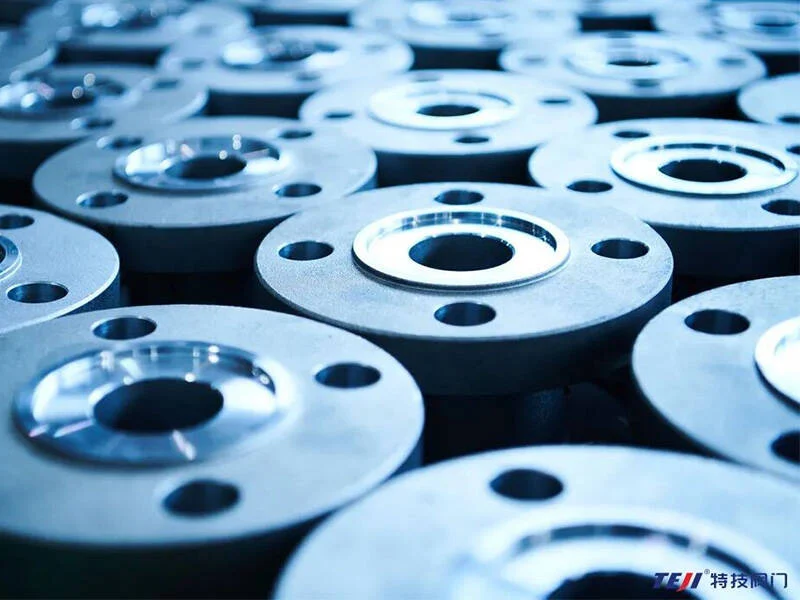
Common Valve Materials

Metal Materials

Carbon Steel

Carbon Steel is a common valve material, with high strength and corrosion resistance, suitable for most industrial fluids such as water, steam, petroleum, and certain chemical fluids. Carbon steel valves are relatively low in price and are widely used in various industrial fields.

Stainless Steel

Stainless steel is a valve material with high corrosion resistance and aesthetic appeal, widely used in fluid pipelines in industries such as food, pharmaceuticals, and chemicals. Stainless steel valves usually have good mechanical properties and high-temperature resistance, and can withstand the erosion of various corrosive media. 

Cast Iron

Cast iron valves have high strength and wear resistance, suitable for media such as water, steam, and sewage. Cast iron valves are relatively low in price and are suitable for some occasions where sealing performance requirements are not high.

Copper Alloys

Copper alloys have excellent corrosion resistance and machinability, and are widely used in water, steam, and air conditioning systems. Copper alloy valves usually have good sealing performance and a longer service life, making them suitable for applications where high fluid quality is required.

Non-metallic Materials

Plastics

Plastic valves are characterized by being lightweight, corrosion-resistant, and not easy to rust. They are widely used in corrosive media in industries such as chemical, petrochemical, and pharmaceutical. Common plastic valve materials include polyethylene (PE), polypropylene (PP), and polyvinyl chloride (PVC).

Rubber

Rubber valves have good elasticity and sealing performance and are widely used in media such as water, steam, and air. Rubber valves are usually relatively inexpensive and are suitable for occasions where high sealing performance is not required.

Ceramic

Ceramic valves have high corrosion resistance and high wear resistance, suitable for various highly corrosive and high-wear media, such as concentrated sulfuric acid, alkali solutions, and high-temperature steam. Ceramic valves have a long service life and are suitable for some special occasions, but their manufacturing cost is relatively high.

Fluoroplastic

Fluoroplastic is a non-metallic material with high corrosion resistance and high-temperature resistance, widely used in various strongly corrosive media. Fluoroplastic valves usually have good sealing performance and service life, and are suitable for some special industrial fields, such as chemical and pharmaceutical industries.
Search Here

Other News

MediaCompany News
A check valve is an important type of valve, and its function is to prevent the backflow of fluid in the pipeline. In piping systems, check valves are commonly used to protect pumps, valves, and other equipment from damage caused by reverse pressure or backflow. This article will introduce the functions, types, and application scenarios of check valves.
MediaCompany News
Overload of an electric valve refers to a situation where the torque demand encountered by the electric valve during operation exceeds its design capacity. This situation can be caused by various factors, such as low power supply voltage, improper torque limiting mechanism settings, and excessively high ambient temperature. Electric valves may encounter overload situations during operation, which not only affects their performance but may also lead to safety accidents.
MediaCompany News
The sealing performance of a valve directly affects the control effect of the fluid medium and the safe operation of the system. Grinding the valve sealing surface is one of the important means to ensure its sealing performance. Its main purpose is to eliminate unevenness, defects, and particles on the sealing surface, improve the surface smoothness and roughness, and thus achieve optimal sealing performance. After grinding, the valve sealing surface can typically achieve a dimensional accuracy of 0.001~0.003mm, a geometric accuracy (such as unevenness) of 0.001mm, and a surface roughness of 0.1~0.008.

Get In Touch

Welcome to Special Valve Group! As a leading manufacturer of high-performance valves, we specialize in custom solutions for industrial, oil & gas, and petrochemical applications. Whether you need technical consultation, product quotes, or after-sales support, our team is ready to assist. Feel free to email us at [email protected] or fill out the form below. We’ll respond to your inquiry within 24 hours.
Get A Quote
Welcome to Special Valve Group! As a leading manufacturer of high-performance valves, we specialize in custom solutions for industrial, oil & gas, and petrochemical applications. Whether you need technical consultation, product quotes, or after-sales support, our team is ready to assist. Feel free to email us at [email protected] or fill out the form below. We’ll respond to your inquiry within 24 hours.

Special Offer

20% off

on your first order

Welcome to Special Valve Group! As a leading manufacturer of high-performance valves, we specialize in custom solutions for industrial, oil & gas, and petrochemical applications. Whether you need technical consultation, product quotes, or after-sales support, our team is ready to assist. Feel free to email us at [email protected] or fill out the form below. We’ll respond to your inquiry within 24 hours.

Teji Valve Group Co., Ltd.
Welcome to Special Valve Group! As a leading manufacturer of high-performance valves, we specialize in custom solutions for industrial, oil & gas, and petrochemical applications. Whether you need technical consultation, product quotes, or after-sales support, our team is ready to assist. Feel free to email us at [email protected] or fill out the form below. We’ll respond to your inquiry within 24 hours.