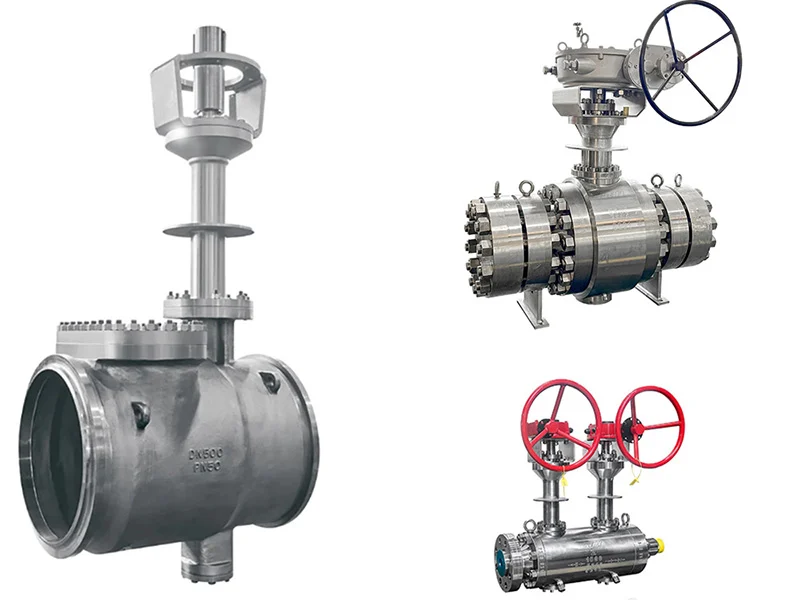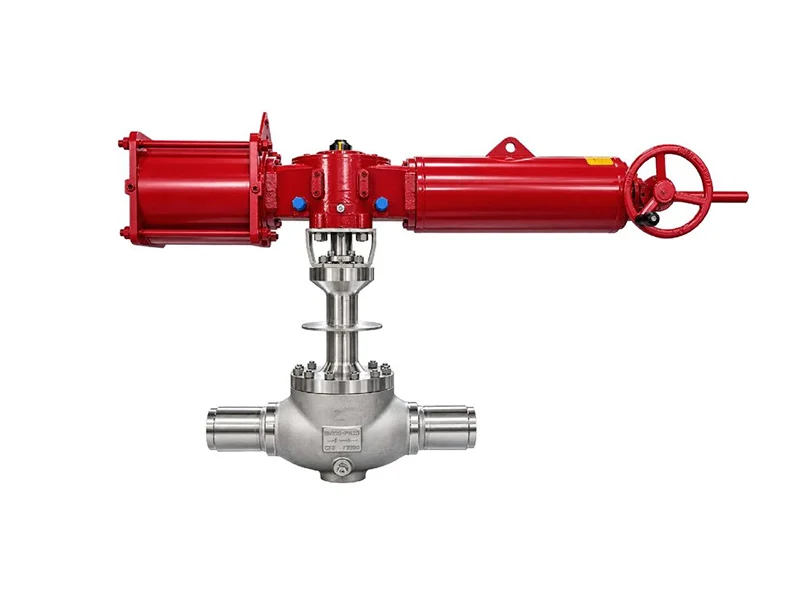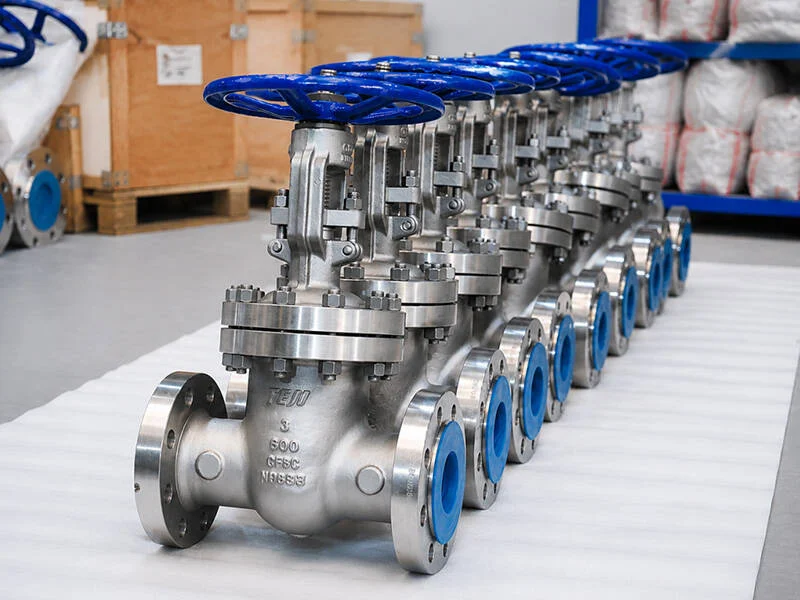
A plug valve is a shut-off component—it opens and closes by rotating the valve disc 90 degrees around the valve body’s centerline, used to cut off, distribute, and change the flow direction of media in pipelines. The working principle of a plug valve is to regulate and cut off fluid flow by rotating the valve disc to change the size and direction of the valve disc passage. Its main functions include flow regulation, fluid cut-off, wide applicability, good sealing performance, and simple structure.
As a type of plug valve, the pressure balance lubricated plug valve is a labor-saving, high-performance valve specifically designed for medium and high pressure conditions. Its core lies in its inverted pressure balance structure. By designing a balance hole or balance chamber inside the plug, the pressure at both ends of the plug tends to be consistent, thereby significantly reducing the operating torque caused by high pressure difference and solving the problem of difficult opening and closing.
The pressure balance lubricated plug valve injects high-pressure sealing grease between the valve seat and the plug surface through an external grease fitting, forming a continuous oil film. This not only achieves a reliable zero-leakage seal but also provides lubrication, effectively reducing wear on the sealing surface and preventing solid particles from entering the sealing pair. Its compact structure and low flow resistance make it widely used in high-pressure gathering and transmission and frequently switching pipeline systems in industries such as petroleum, natural gas, and chemicals.
Signs of a faulty pressure balance lubricated plug valve
Difficult operation or jamming: When starting to operate the pressure balance lubricated plug valve, you may find it very difficult to open or close, requiring a lever or much greater force than normal to turn it, or even completely jammed and inoperable. This is because the valve lacks necessary lubrication, or the internal grease has hardened or dried due to high temperatures, leading to a significant increase in friction. Alternatively, impurities, rust, sand, or crystallized or solidified media in the pipeline may accumulate between the plug and the valve body, causing jamming. It could also be due to deformation of the valve stem or plug itself caused by thermal expansion and contraction, external impact, or installation stress.
Leakage due to seal failure: One day you may find that even when the valve is fully closed, the medium can still flow through, resulting in incomplete flow or pressure cutoff downstream, or leakage from the valve stem packing, valve body connection surfaces, etc. There are many reasons for seal failure, typically including wear on the sealing surface, insufficient sealing grease, impurities entering the sealing surface, or an excessively loose packing gland.
Pressure Balancing Function Malfunction:As a pressure balancing valve, its core function is to automatically regulate hot and cold water pressure to maintain a stable outlet water temperature. When this function fails, you will observe: drastic fluctuations in outlet water temperature, a significant decrease in flow rate, or even complete loss of balance.
Cost of Replacing a Pressure Balance Lubricated Plug Valve
The cost of replacing a pressure balance lubricated plug valve varies greatly depending on specifications, pressure rating, and material. This valve is typically used in medium- and high-pressure critical applications such as oil and gas (e.g., Class 600 or 1500). Its total life-cycle cost consists of three parts: purchase cost, maintenance cost, and downtime risk. Overall, the cost of routine maintenance of a pressure balance lubricated plug valve is lower than the cost of replacing it.
Routine Maintenance of Pressure Balance Lubricated Plug Valve
For pressure balance lubricated plug valves, the core of routine maintenance is ensuring smooth operation and maintaining zero leakage. A key operation is the regular injection of specialized grease to maintain its pressure balance characteristics and sealing performance.
Operational Flexibility Check
This is the most crucial routine check and is recommended to be performed monthly. The valve should be easily operable by one person without using a lever. If operation feels difficult or there is jamming, do not use brute force or a lever; stop operation immediately and check the cause (usually insufficient lubrication or internal impurities).
Grease Injection
Injecting grease is crucial for maintaining the performance of this type of valve. It not only enhances the seal but also lubricates moving parts and achieves pressure balance. Inject the specialized grease using a grease gun through the grease nozzle on the valve body, applying the specified amount. Observe the pressure during injection; the injection pressure is typically between 280 Bar and 560 Bar. If the pressure is abnormally high or pressure cannot be built up, it indicates that the grease nozzle or internal passages may be blocked and need cleaning. After injection, it is recommended to open and close the valve 10 times to ensure the grease is evenly distributed on the sealing surface.
Visual Inspection and Leakage Check
Maintaining the valve exterior clean and intact is fundamental to preventing malfunctions. Check the valve body, flange connections, and around the grease fitting for any external leaks. Inspect exposed parts of the valve for rust or paint peeling. If minor rust is found, remove it promptly and apply anti-rust paint. Check actuators (such as pneumatic and electric actuators) for water accumulation, insufficient lubrication, or excessive dust buildup.
If you are looking for a high-quality pressure balance lubricated plug valve, TEJI will not disappoint. Please feel free to contact us.