As valve consumers, our primary concern is how to buy the highest quality products at the lowest price. Faced with countless valve products, good quality at a low price is every consumer’s wish.
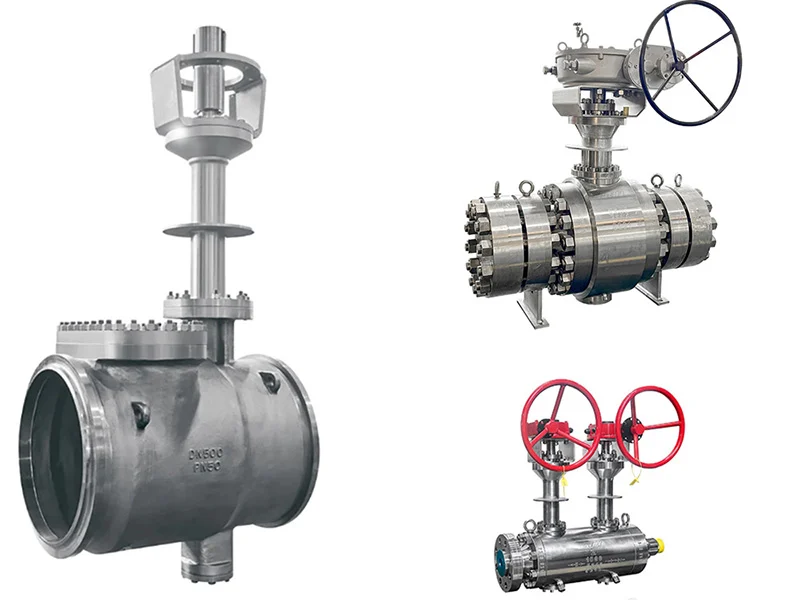
Of course, we cannot blindly pursue low prices, as this will compromise quality. How do we balance price and quality to find the product we desire? First, we need to understand the minimum cost of valve production. Next, let’s take a cryogenic ball valve as an example to see what components are involved in valve production costs.
Raw Material Costs
• Valve Body and Core: Commonly made of stainless steel, carbon steel, etc. For example, a stainless steel valve body, depending on specifications and quality, costs between 15,000 and 30,000 yuan per ton; a DN100 304 stainless steel ball costs approximately 200-300 yuan.
• Sealing Rings: Requires cryogenic resistant materials, such as PTFE, etc., the price of which varies depending on the material and specifications.
Production Costs
• Labor Costs: Covers the wages, bonuses, and benefits of workers in casting, machining, assembly, and other processes.
• Equipment Depreciation: Production equipment such as casting machines, machining centers, and welding equipment will experience wear and tear during use. The purchase cost must be amortized over the product’s lifespan.
• Manufacturing Costs: Includes utilities, factory rent, and auxiliary material costs.
Other Costs
• Research and Development Costs: To meet the requirements of low-temperature environments, investment may be needed in research and development and testing to ensure product performance.
• Transportation and Sales Costs: Costs for transporting products to customers, as well as marketing, sales personnel salaries, and other sales-related expenses.
As you can see, valve production costs cannot be accurately calculated with a single figure. So how do you find high-quality valves in a market rife with substandard products? TEJI offers some tips.
I. Define Operating Requirements
Media Characteristics
Confirm the type of media (liquid/gas/corrosive fluid), temperature, pressure, and whether it contains particulate impurities. For example, high-temperature and high-pressure scenarios require chromium-molybdenum steel, while media containing suspended particles are best suited for ball valves or plug valves (whose opening and closing process includes a wiping function on the sealing surface).
Functional Positioning
- Shutdown/Opening: Straight-through valves (such as gate valves and ball valves) with low flow resistance are preferred.
- Flow Regulation:Gate valves offer precise linear regulation; butterfly valves are suitable for large-diameter, low-flow-resistance applications.
- Reversal/Diversion:Three-way plug valves or ball valves are more efficient.
II. Core Performance Verification
Material Compliance
- Valve Body: Cast steel/stainless steel must comply with national standards (e.g., GB/T 12229); ductile iron is superior to gray cast iron.
- Sealing Surface:For corrosive media, PTFE or metal hard seals are required; rubber materials require a hygiene inspection report.
- Valve Stem:2Cr13 stainless steel is recommended for its corrosion resistance and high strength.
Key Parameter Testing
- Sealing Performance:In the closed state, the valve body must withstand 1.1 times the working pressure without leakage; in the open state, the valve body must withstand ≥2 times the working pressure.
- Flow Resistance Coefficient:For water system valves, it is recommended to measure the flow resistance to reduce energy consumption.
- Lifespan Verification:Batch products must be tested for continuous opening and closing cycles (e.g., API 598 standard).
III. Certification and Brand Selection
Mandatory Certification
Domestic sales require TS (Special Equipment Manufacturing Permit) certification; exported products must comply with ISO 9001, API 6D, or CE standards.
Special Operating Conditions: Valves for nuclear power plants require ASME certification; for the chemical industry, an API 607 fire resistance test report is required.
IV. Installation and Maintenance Compatibility
Connection Method
Flanged connections must match the piping standard (e.g., PN16/DN100); welded ends must provide beveling dimensions to avoid on-site compatibility issues.
Ease of Operation
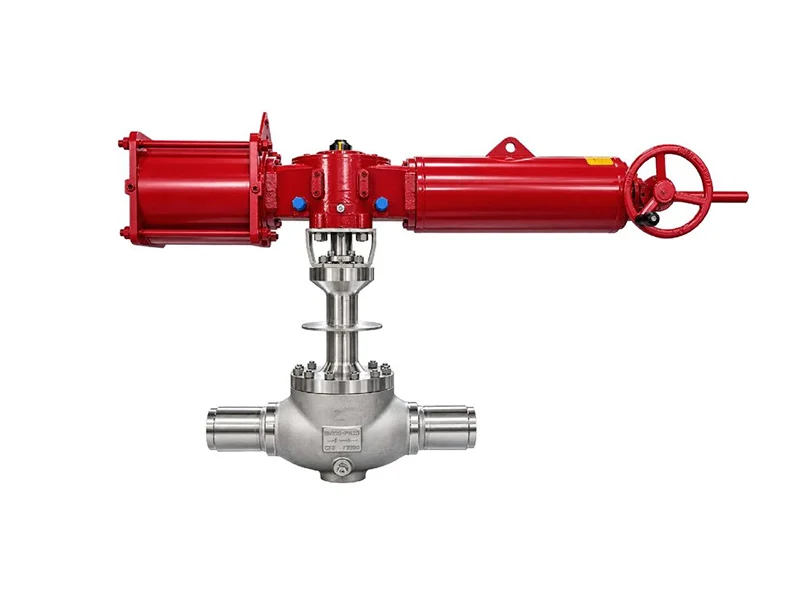
For large-diameter valves (DN>300), electric/pneumatic actuators are recommended; manual valve opening and closing torque should be ≤240 N·m. Wheel-operated mechanisms are prohibited in underground pipe networks; designs with extension rods and ground display panels should be selected.
V. Procurement Pitfall Avoidance Guidelines
Document Verification
- Suppliers are required to provide: material reports (including spectral analysis data); pressure test records (shell strength/sealing test); third-party testing and certification (e.g., TUV, BV). Common Defect Identification
- Casing Sand Holes: Shot blasting is required inside and outside the valve body; epoxy coating thickness ≥ 0.3mm.
- Electrochemical Corrosion: The valve stem and bushing materials must be compatible (e.g., bronze bushing with stainless steel valve stem).
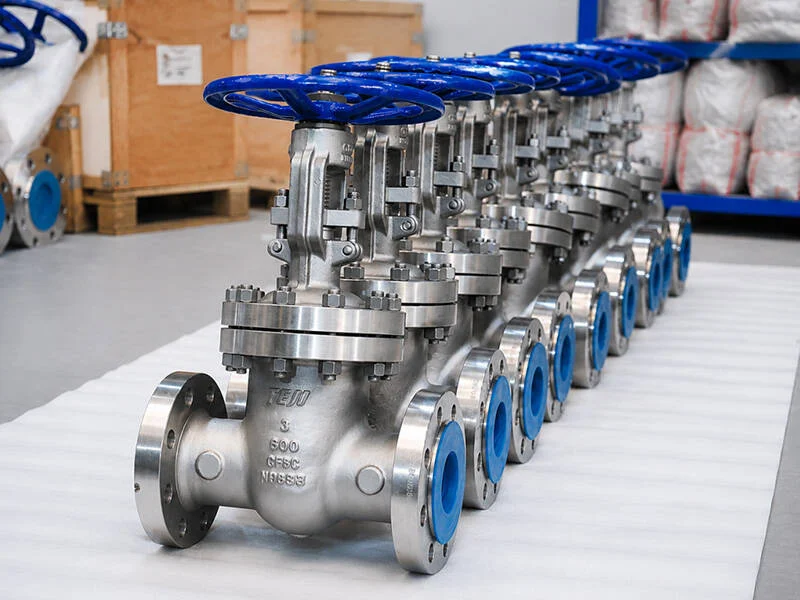
Each valve is manufactured in strict accordance with the relevant standards and customer requirements, and undergoes final inspection before shipment to ensure that the valve can operate safely in various complex working conditions.TEJI lives up to your expectations.