If you have the chance, you’ll notice it: in petrochemical main pipelines, during equipment inspection or maintenance; in LNG/CNG storage and transportation systems, when preventing flammable and explosive gas leaks; and in pharmaceutical high-pressure reaction pipelines, during some low-temperature synthesis reactions. Cryogenic DBB valves are everywhere.
Some may wonder: What is a Cryogenic DBB valve? What does it do? How does it differ from ordinary valves? Don’t worry, we’ll slowly unravel the mystery of the Cryogenic DBB valve.
What is a Cryogenic DBB Valve?
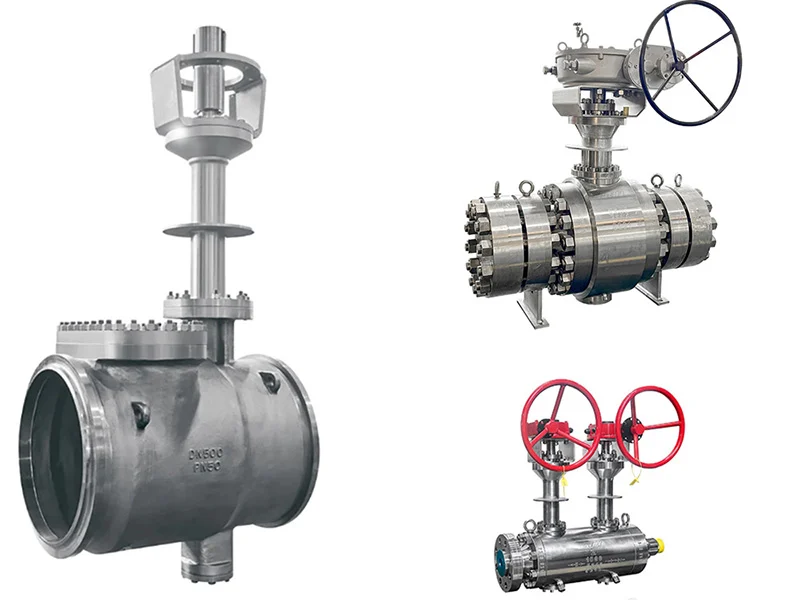
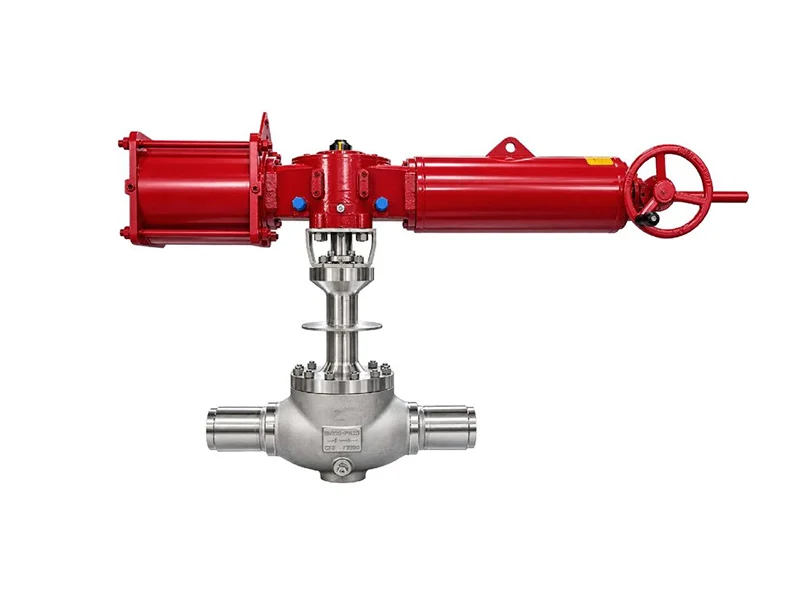
A Cryogenic DBB valve is a special valve, typically constructed from a single-piece forged high-strength alloy body. It integrates two series-connected ball valve units and an intermediate bleed chamber (with a manual or automatic bleed valve). It connects to the pipeline via flanges, butt welds, or socket welds. Each ball valve unit has its own independent sealing pair.
It operates with a “double-seal shutoff + intermediate chamber pressure relief” function. When closed, two independent sealing pairs simultaneously block upstream and downstream media flow, forming a double sealing barrier that reliably blocks the flow of media. After closing, a bleed port integrated into the valve body evacuates any residual media or pressure within the chamber, creating a safe, isolated space.
Cryogenic DBB valves are suitable for medium- and high-pressure (2.5 MPa to 100 MPa) applications, operating in temperatures ranging from approximately -60°C or even lower. They play a vital role in isolating and discharging hazardous and valuable media in applications such as petrochemical main lines, LNG/CNG storage and transportation systems, and nuclear power auxiliary circuits.
Function of Cryogenic DBB Valves
Cryogenic DBB valves are specialized for use in extremely low-temperature environments. They combine two core functions: dual blocking and intermediate bleed, primarily to achieve reliable isolation and safe maintenance of high-pressure, low-temperature media.
Dual Blocking and Zero-Leakage Isolation
Cryogenic DBB valves feature two independent blocking (blocking) mechanisms, enabling simultaneous upstream and downstream isolation under high-pressure or high-temperature conditions, ensuring zero leakage even under extreme conditions. This is crucial for leak-sensitive industries such as LNG and petrochemicals.
Intermediate Relief and Maintenance Safety
The valve design allows for a bleed port between the two blocking mechanisms. This allows for safe drainage of the area between the two valves or the two seat surfaces after isolating the fluid flow, facilitating maintenance or integrity checks while eliminating the need for expensive multi-valve systems and saving space.
Seat Seal Integrity Verification
The cryogenic DBB valve supports seat seal integrity verification, which is critical to ensuring long-term reliable valve operation. In the oil and gas industry, this feature is particularly critical in applications such as liquefied natural gas (LNG), transmission and storage, and natural gas industrial processes.
Instrument Calibration and Critical Isolation
In instrument systems, the tight sealing characteristics of the cryogenic DBB valve ensure a tight seal every time it is shut off, preventing instrument calibration errors caused by small leaks. This is crucial for ensuring economic efficiency and operational safety for end users.
Mechanical Wedge Action Enhances Sealing
The mechanical wedge action of the double check valve compresses the upstream and downstream seals against the valve body, meaning that a positive seal is achieved independently of line pressure, providing consistent, verifiable zero leakage in the transmission and storage markets.
Differences Between Cryogenic DBB Valves and Standard DBB Valves: As the name suggests, the only difference between Cryogenic DBB valves and standard DBB valves is their “low-temperature” operation. To understand the specific differences, see the table below.
| Comparison Project | Cryogenic DBB valve | Ordinary DBB valve |
| Material selection | Special materials that can adapt to low temperature working conditions are selected, such as low temperature steel (LCB, LC3, etc.), nickel alloy steel, etc., which have undergone special smelting and heat treatment processes to ensure good toughness and impact resistance at low temperatures and prevent embrittlement. | Generally, materials are selected according to conventional working conditions such as working medium, pressure and temperature. Carbon steel and stainless steel are commonly used, and the requirements for low-temperature performance of materials are relatively low. |
| Design requirements | Considering the impact of low temperature on valve structure and sealing performance, special sealing structure and elastic elements are used to compensate for material shrinkage at low temperature; insulation layer may be added to reduce heat loss. | Mainly focuses on meeting the use requirements under normal working conditions, with less special consideration for low temperature environments |
| Applicable temperature range | Suitable for low temperature environments, the operating temperature is usually around – 60℃ or even lower | The applicable temperature range is generally room temperature or higher temperature, commonly -20℃~250℃ |
| Application Scenario | Commonly used in industrial fields that process cryogenic media, such as the storage and transportation of liquefied natural gas (LNG), cryogenic chemical processes, etc. | It is widely used in general working conditions in the petroleum, chemical, natural gas, electric power and other industries to control fluid flow, adjust pressure, isolate media and protect system safety. |
| Performance characteristics | Emphasis on sealing performance and operational reliability at low temperatures, sealing materials and structures are specially designed to adapt to low temperature conditions | More emphasis is placed on performance under normal temperature and pressure conditions, such as sealing performance, pressure resistance, etc. |
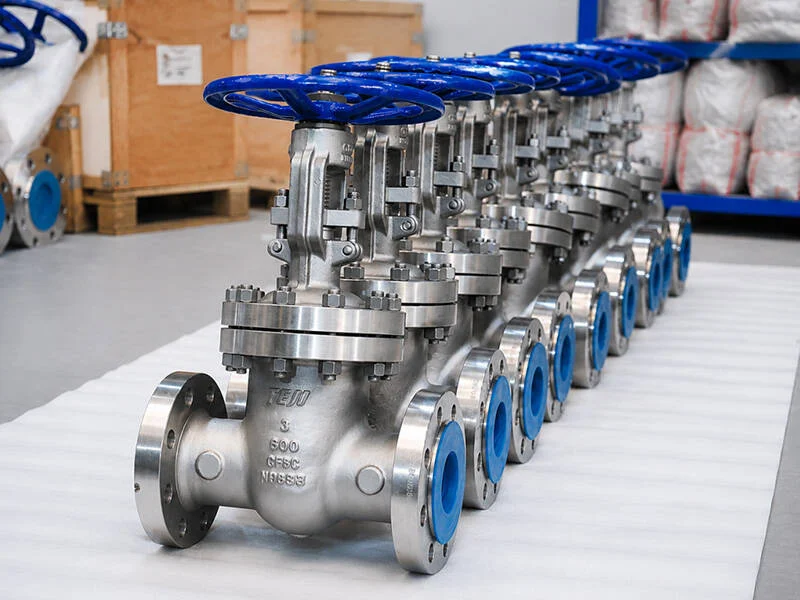
If you’re struggling to find high-quality cryogenic DBB valves, TEJI might be the right choice. All TEJI brand cryogenic valves undergo factory-tested performance testing at both ambient and low temperatures according to international industry standards. Only qualified valves are released. If you have any questions, please feel free to contact us.