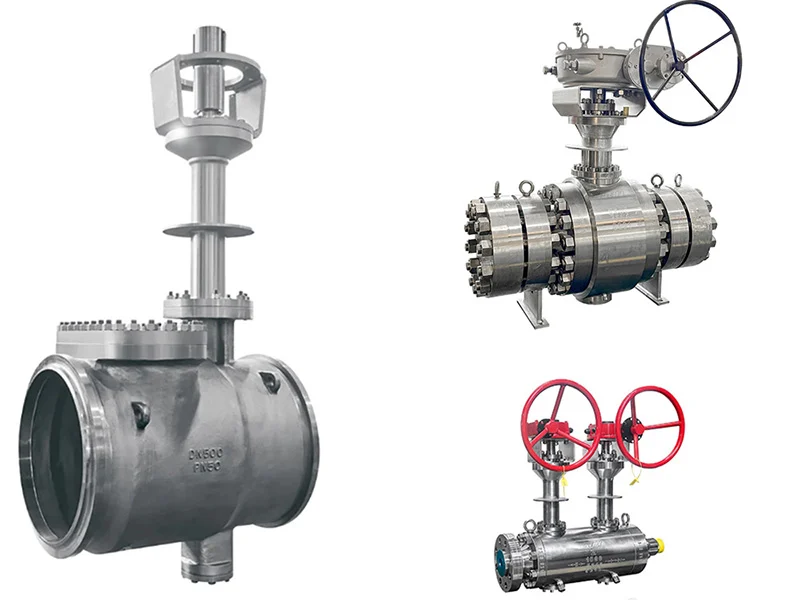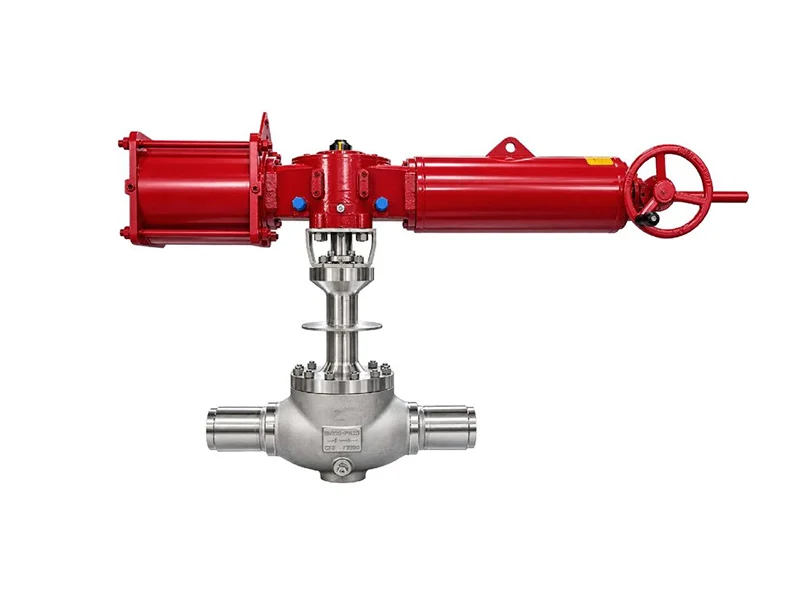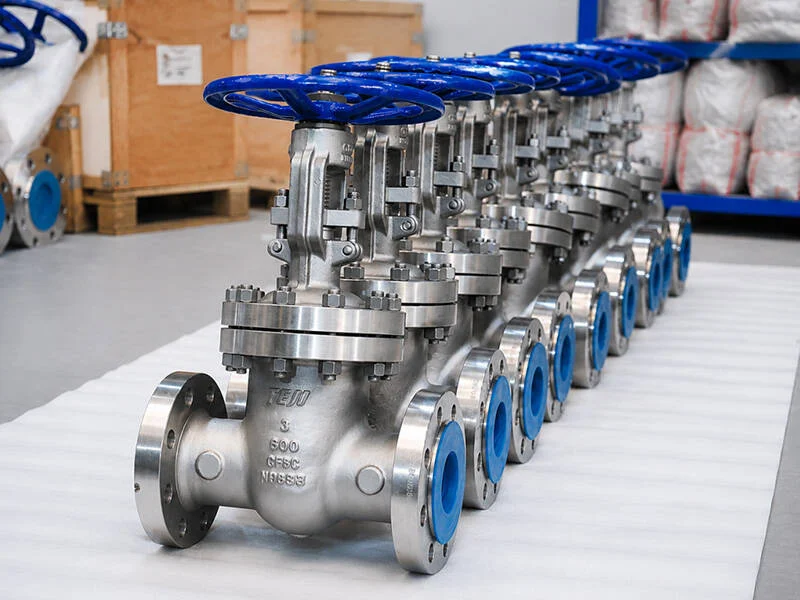
Butterfly valves are used to control or separate flow in a system. If there’s no liquid flowing in a pipe, this valve can be used for maintenance, cleaning, or changing the flow of liquid, as it can start, stop, or prohibit the flow of liquid in the piping system. Butterfly valves are used in a wide range of applications, including water supply, wastewater treatment, slurry services, fuel handling systems, vacuum services, fire protection, power generation, compressed air and gas applications, the chemical and petroleum industries, ships, and refineries.
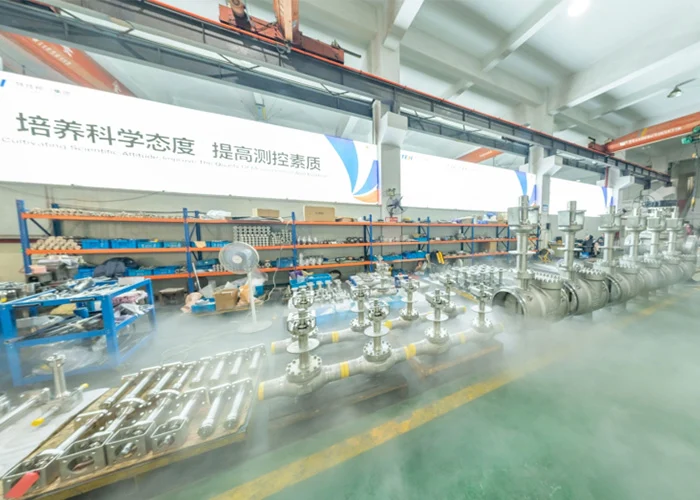
Due to their wide range of applications, proper installation is crucial to ensure proper function. Improper installation can lead to numerous problems, such as leaks and flow issues.
Preparing Installation Tools
• Tape measure: Used to measure the dimensions of the pipe and butterfly valve, ensuring the correct connection size between the valve and the pipe, and ensuring accurate installation.
• Level: When installing a butterfly valve, ensure the valve is correctly positioned horizontally or vertically. A level helps operators detect and adjust the installation angle to avoid tilting the valve, which could affect its proper operation and sealing performance.
• Wrenches: These include adjustable wrenches, ring wrenches, and open-end wrenches. Adjustable wrenches have adjustable openings, accommodating nuts and bolts of varying sizes, making them highly versatile. Ring wrenches and open-end wrenches, on the other hand, have fixed sizes and are suitable for specific bolt and nut specifications. When installing a butterfly valve, use a wrench to tighten the bolts and nuts connecting the butterfly valve to the pipe to ensure a tight connection.
• Socket wrench: Socket wrenches are particularly effective in installation environments with limited space. They fit over bolts or nuts and tighten or loosen by turning the handle, making them convenient and improving installation efficiency.
• Pipe cutter: If the pipe is of an incorrect length and needs to be cut and adjusted, a pipe cutter can quickly and accurately cut the pipe. Different pipe cutters are used depending on the pipe material.
• Saw: Saws can also be used to cut smaller diameter pipes or some non-metallic pipes. Common saws include hacksaws and hand saws. When using a saw, ensure the cut is smooth and perpendicular. • Lifting Equipment: If the butterfly valve is large and heavy, making it difficult to move and install manually, lifting equipment such as a crane or electric hoist will be required.
• Sealant Application Tools: When installing the butterfly valve, sealant must be applied to the sealing surface to ensure proper sealing.
Installation Procedures
Pre-Installation Inspection
Information Verification: Confirm that the butterfly valve’s specifications, model, pressure rating, and diameter meet design requirements. Inspect the valve’s appearance to ensure there are no defects, cracks, or deformation.
Pipeline Cleaning: Remove welding slag, rust, and debris from the pipe, ensuring the inner wall is clean and smooth. Check that the flange surfaces are flat and free of damage, and that the bolt holes are aligned.
Installation
Valve Positioning: Place the wafer-type butterfly valve between the two flanges, ensuring the bolt holes are aligned. For flange-type butterfly valves, weld the flange to the pipe first and allow it to cool before installing the valve.
Preliminary Fixing: Gently insert the bolts and nuts and lightly tighten to align the flange surfaces. Correcting the Position: Ensure the center of the butterfly valve is concentric with the center of the pipe and that the valve disc can rotate freely without obstruction.
Tightening the Bolts: Tighten the bolts evenly and gradually in a diagonal pattern. Avoid overtightening at once. Ensure the flange is tightly seated against the valve body end face, and the sealing surfaces are in full contact.
Checking Opening and Closing: Manually open and close the butterfly valve to confirm that the valve disc rotates smoothly and flexibly without any obstruction. Check whether the valve disc collides with the inner wall of the pipe in the fully open and fully closed positions.
Precautions
1. Seal Protection: Protect the sealing surface during installation to avoid scratches or damage. When connecting flanges, ensure that the sealing rubber or gasket is aligned to prevent leakage.
2. Bolt Tightening Force: Apply uniform tightening force to the bolts to avoid seal failure or valve body deformation due to uneven force.
3. Bypass Valve Operation: For butterfly valves with a bypass valve, open the bypass valve before opening to equalize pressure and prevent shock.
4. Installation Location: Butterfly valves can be installed anywhere on the pipeline, but they should be easily accessible for operation and maintenance. Avoid installing butterfly valves at low points or in areas prone to water accumulation.
5. Welding Requirements: If flange welding is required, it should be performed after the valve is removed to prevent high temperatures from damaging the valve’s seals and internal structure. After welding, allow the weld to cool before installing the valve.
Post-Installation Inspection
• Installation Secureness: Verify that the butterfly valve is securely and stably installed to prevent loosening that could lead to problems such as sticking or leakage. Ensure that the valve-to-pipe connection components, such as flange bolts, are securely tightened to prevent loosening due to vibration.
• Installation Location and Direction: Confirm the installation location is appropriate. Avoid installation at bends or locations with high stress concentrations. Also, verify that the valve’s direction aligns with the flow direction of the medium. For butterfly valves with flow direction markings, strictly follow the markings.
• Sealing Performance: Test the butterfly valve’s sealing performance under operating pressure. Pressure testing and other methods can be used to ensure that the valve is leak-free when closed. This is a key indicator for ensuring the proper operation of the pipeline system.
• Operational Performance: Evaluate the butterfly valve’s opening and closing flexibility, operating torque, and positioning accuracy. When operated manually, electrically, or pneumatically, the valve disc should rotate freely without obstruction. The operating torque should be within a reasonable range, and the valve should accurately position in the open or closed position.
• Pressure Resistance: Verify the butterfly valve’s pressure resistance and safety performance under specified pressures, ensuring the valve will not damage or leak under normal operating pressures and potential pressure fluctuations.
The above is a detailed guide to butterfly valve installation. If you have any questions, please contact us. TEJI, a professional valve manufacturer, can answer your questions.