If you have been following the new energy, chemical, and shipping industries over the past two years, you will have noticed a clear trend: green methanol projects are appearing with increasing frequency.
From regions rich in renewable energy resources—such as Northeast China and Inner Mongolia—to coastal port cities, green methanol is transitioning from conceptual discussion to actual project construction.
Why now?
01 Rising demand from the shipping industry
A major driving force behind the attention paid to green methanol is the shipping industry.
As international requirements for decarbonizing shipping intensify, shipowners are seeking alternatives to traditional marine fuels.
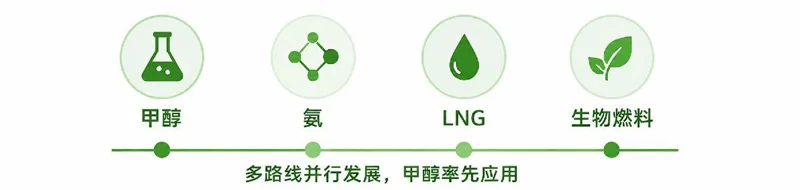
While various pathways—including methanol, ammonia, LNG, and biofuels—are being explored, methanol has been the first to reach the stage of practical application. This is largely because it remains liquid at ambient temperature and pressure, benefiting from a mature industrial infrastructure for storage, transport, and bunkering.
As the number of methanol-powered vessels grows and ports develop bunkering capabilities, the focus regarding green methanol is shifting from “is there any demand?” to “can supply keep pace?”
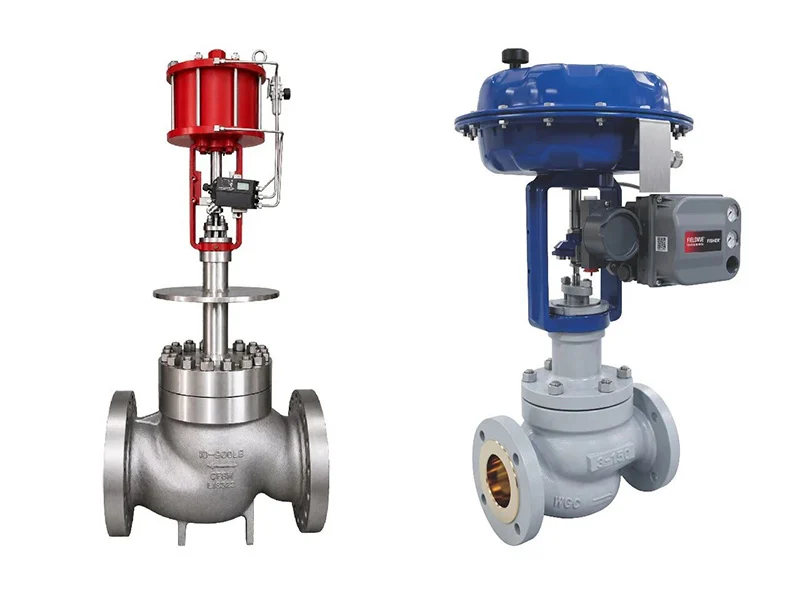
02 China is well-positioned to develop green methanol
Green methanol production relies on several key elements: green electricity, hydrogen sources, carbon sources, and chemical engineering capabilities.
Certain regions in China possess all these resources simultaneously.
Wind and solar power can generate green electricity, which is then used to produce hydrogen. When combined with biomass or other renewable carbon sources, this creates a production pathway:
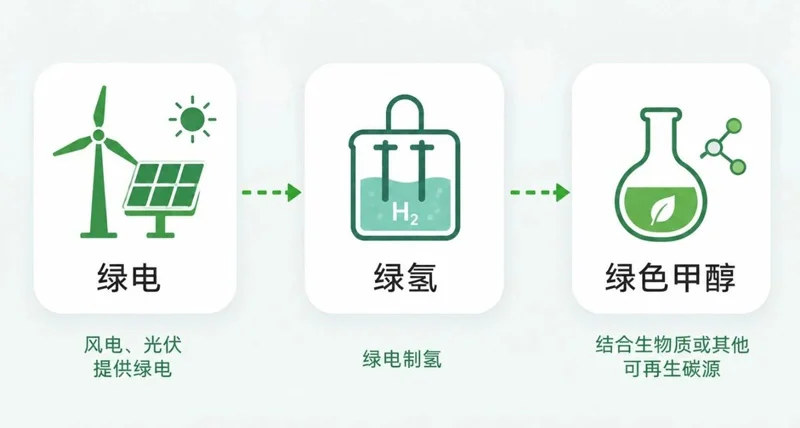
This offers regions rich in renewable energy a new way to utilize their resources: converting green energy—which is otherwise difficult to store and transport directly—into liquid fuel that is far easier to handle.
03 The industry chain is taking shape
In the past, the focus on green methanol was largely confined to the production stage.
Now, the various links in the chain—production, transport, storage, certification, port bunkering, and vessel usage—are beginning to connect.
As downstream demand becomes increasingly clear, upstream projects naturally multiply.
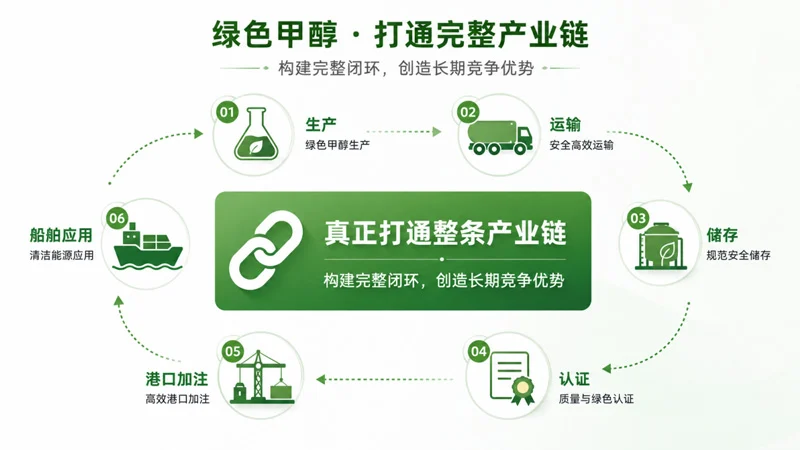
However, a high number of projects does not guarantee that all of them will successfully come to fruition.
Factors such as feedstock supply, the cost of green electricity, green certification, long-term off-take agreements, and product pricing will all determine whether a project ultimately enters production.
In the future, the real competition will not be about planned capacity, but about who can successfully integrate the entire industry chain.
04 What This Means for the Valve Industry
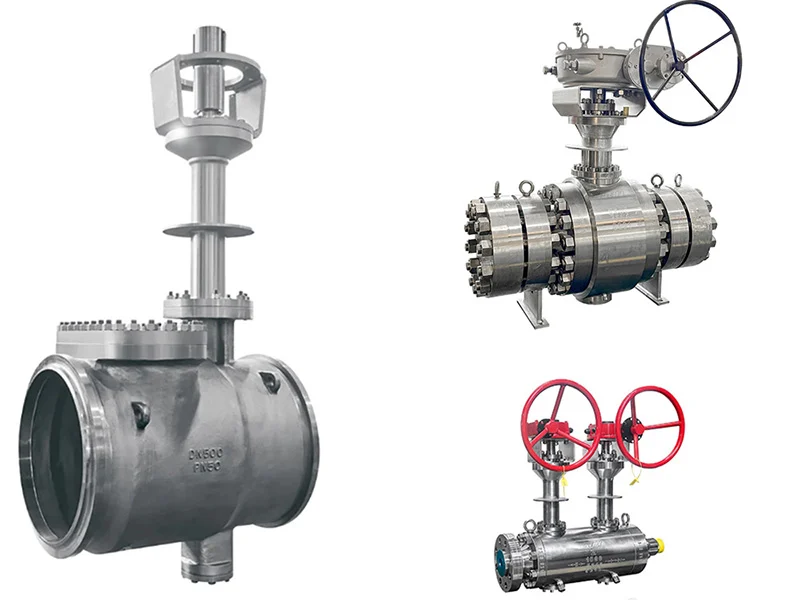
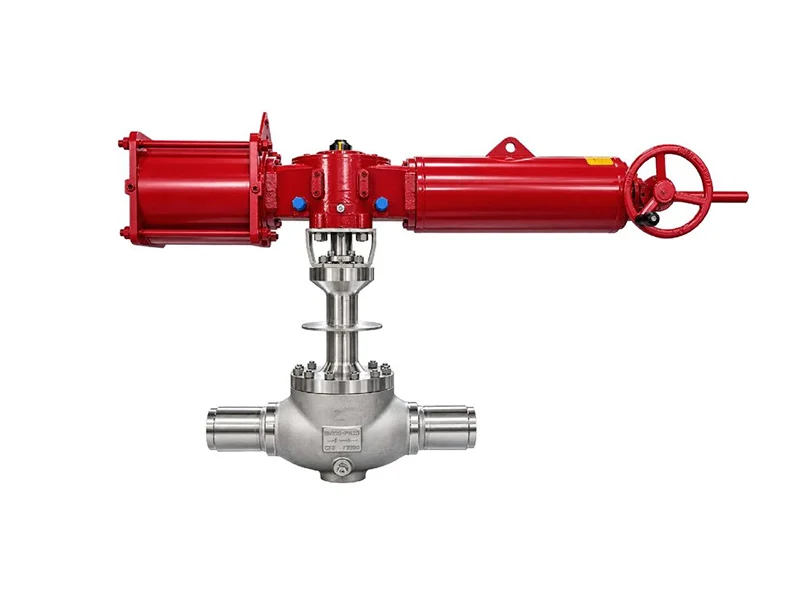
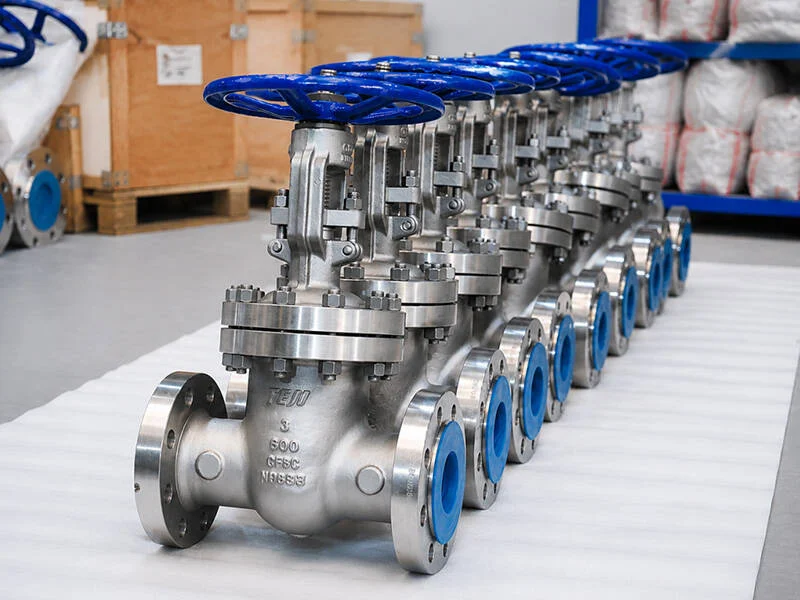
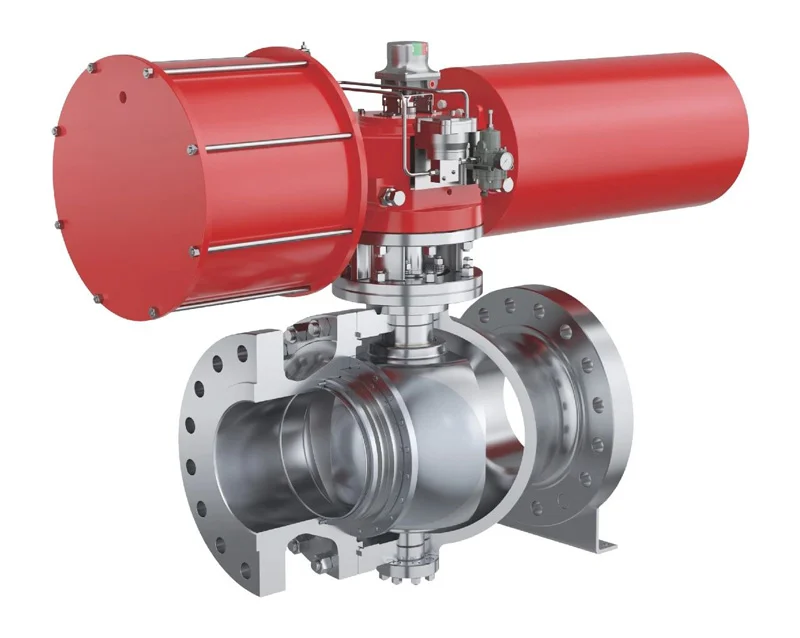
While “green methanol” may appear to be merely a topic within the new energy sector, its actual implementation at the engineering level involves complex chemical processing facilities.
From hydrogen production and gas processing to methanol synthesis, storage, and loading/unloading, each stage of the process entails distinct media, temperatures, pressures, and operational requirements.
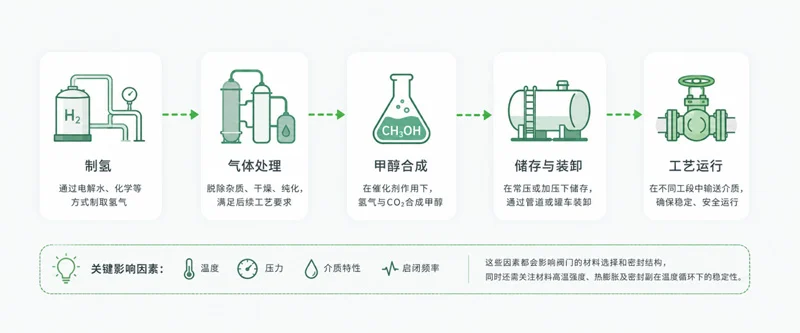
For manufacturers of valves and other industrial equipment, this implies that the real focus should not be on whether green methanol has become a “hot” trend, but rather on:
How engineering operating conditions are evolving in the wake of these new energy pathways.
While new energy sources change the origin of the energy itself, the projects ultimately come down to specific pieces of equipment, pipelines, and operational conditions.
Conclusion
The proliferation of green methanol projects is not simply the result of a concept suddenly gaining popularity.
It is driven by the convergence of multiple forces: decarbonization in the shipping industry, the integration and consumption of new energy, the transformation of the chemical industry, and the development of port infrastructure.
What truly matters is not the number of projects planned, but how many actually transition from blueprints to physical facilities, and ultimately from those facilities to the market.
TEJI Valve Group remains committed to monitoring developments in energy and chemical sectors—such as green methanol, green hydrogen, and coal chemicals—as well as the new demands that evolving operating conditions place on industrial equipment.