In industrial settings, when a valve leaks, sticks, or experiences sealing issues, product quality is often the first thing scrutinized.
However, in practice, some problems have nothing to do with manufacturing quality. Whether a valve matches the specific operating conditions is equally decisive for its long-term performance.
An incorrect valve choice doesn’t always cause immediate failure. Often, the underlying incompatibility only gradually reveals itself under extreme conditions—such as cryogenic temperatures, corrosive environments, or high heat.
01 Cryogenic Conditions: Suitability at Ambient Temperature Doesn’t Guarantee Performance in Cryogenic Environments
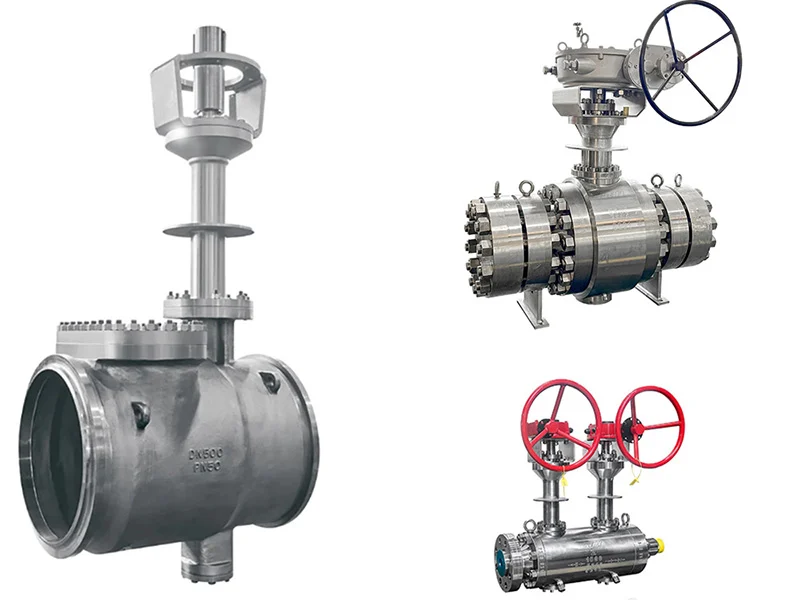
In cryogenic applications like LNG handling, dropping temperatures affect material properties, cause dimensional shrinkage, and alter the fit of sealing components. A design that works under standard conditions cannot simply be transferred to a cryogenic environment.
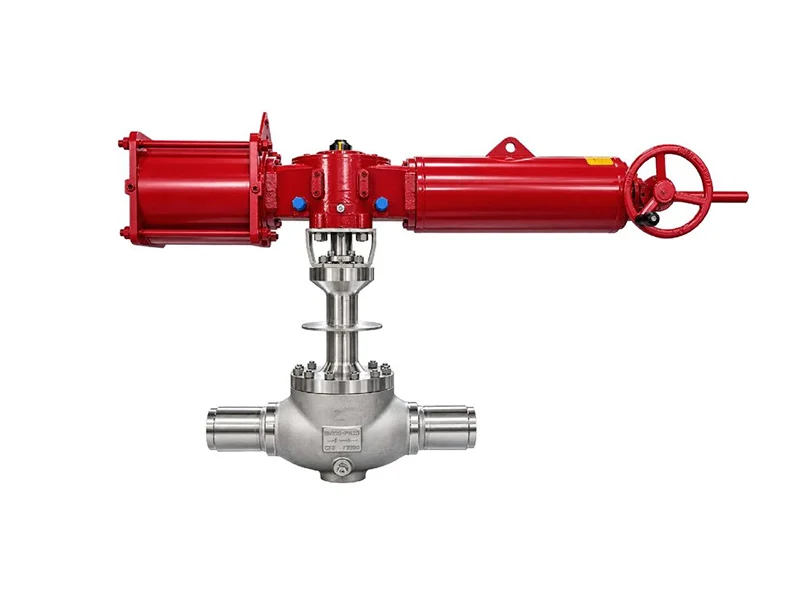
Therefore, cryogenic valves require specialized considerations regarding material selection, structural design, sealing mechanisms, and cryogenic testing. Teji’s cryogenic valves are designed for temperatures as low as -196°C; they undergo rigorous validation—including dual cryogenic stabilization processes and 20% sample testing—to ensure reliability in deep-freeze environments.
02 Marine Conditions: Long-Term Environmental Exposure is the Real Test
Marine and shipbuilding applications involve constant exposure to seawater, high salinity, and high humidity, making material corrosion resistance and long-term durability critical.
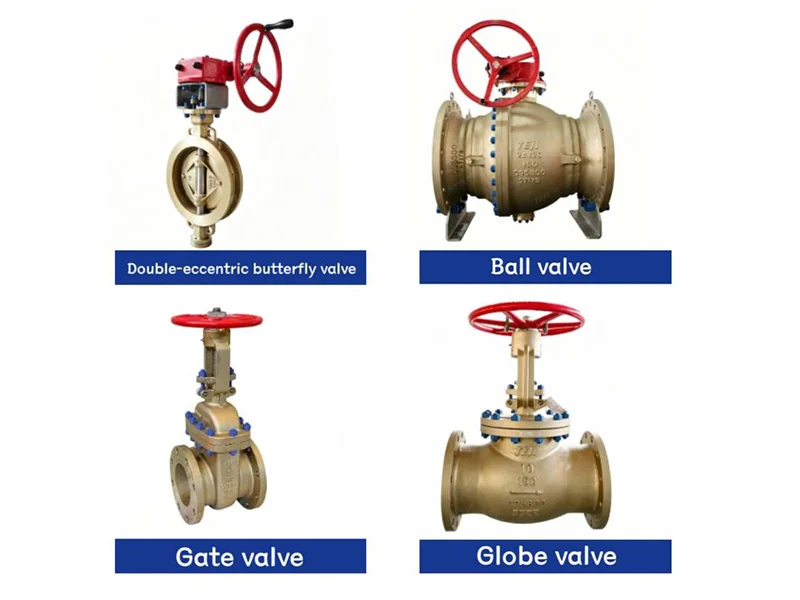
Certain bronze alloys offer excellent resistance to seawater corrosion and are suitable for valves used in marine engineering and shipbuilding. Teji Valves offers a range of bronze products—including butterfly, ball, gate, and globe valves—tailored to specific system requirements.
In marine environments, the greatest enemy isn’t pressure—it’s time.
The real challenge isn’t just whether the valve functions initially, but whether its materials and structure can remain compatible with the operating conditions over the long term.
03 High Temperature and High Pressure: Look Beyond Pressure Ratings
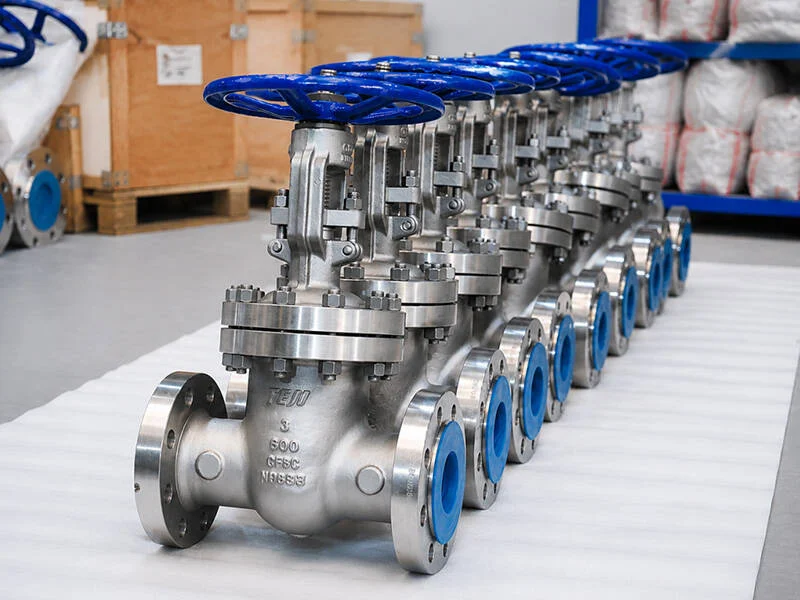
When dealing with high-temperature, high-pressure applications, the logic behind valve selection shifts.
Temperature, pressure, fluid characteristics, and cycling frequency all influence the choice of materials and sealing structures. Factors such as high-temperature material strength, thermal expansion, and the stability of sealing components during thermal cycling must also be carefully considered.
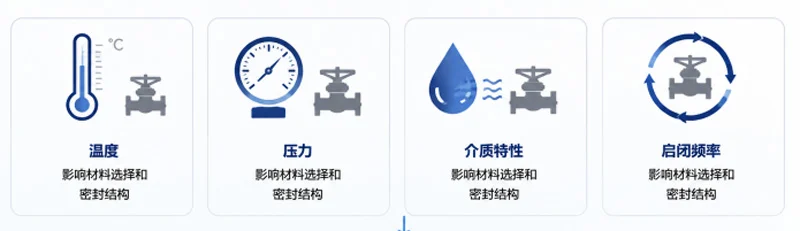
Therefore, looking solely at pressure ratings or a single parameter is insufficient for proper valve selection.
Suitability matters more than simply having “higher specifications.”
Applications involving cryogenic conditions, marine environments, or high-temperature and high-pressure settings present distinct challenges regarding materials, structural design, and sealing.
Valve selection is not merely a matter of checking nominal size, pressure rating, and material; it requires a comprehensive understanding of the interplay between the medium, temperature, pressure, operating environment, and service cycle.
In some cases, a valve fails to shut off effectively not because of an inherent flaw, but because it was never placed in an operating environment suited to its design.
Teji Valve Group Co., Ltd. focuses on specialized applications—such as cryogenic service, marine engineering, and high-temperature/high-pressure operations—and continuously enhances product compatibility with these operating conditions through advancements in materials, structural design, sealing technology, and testing protocols.