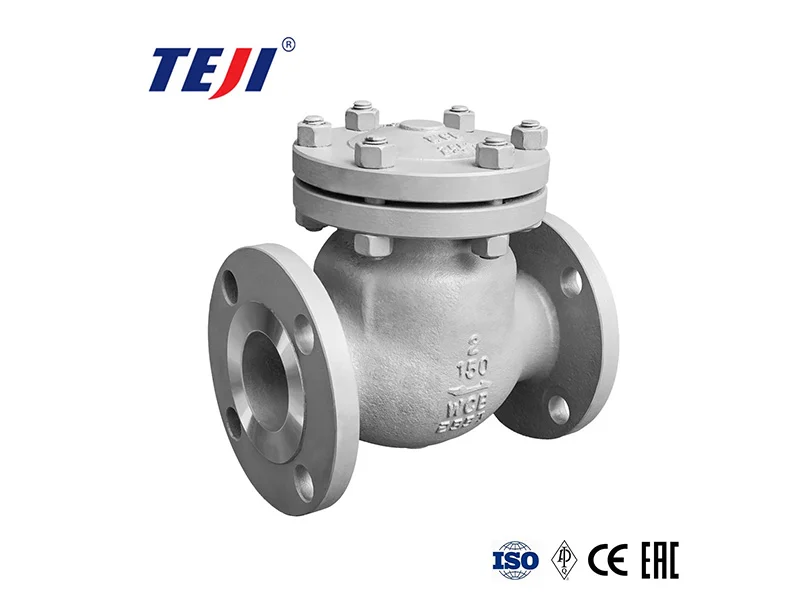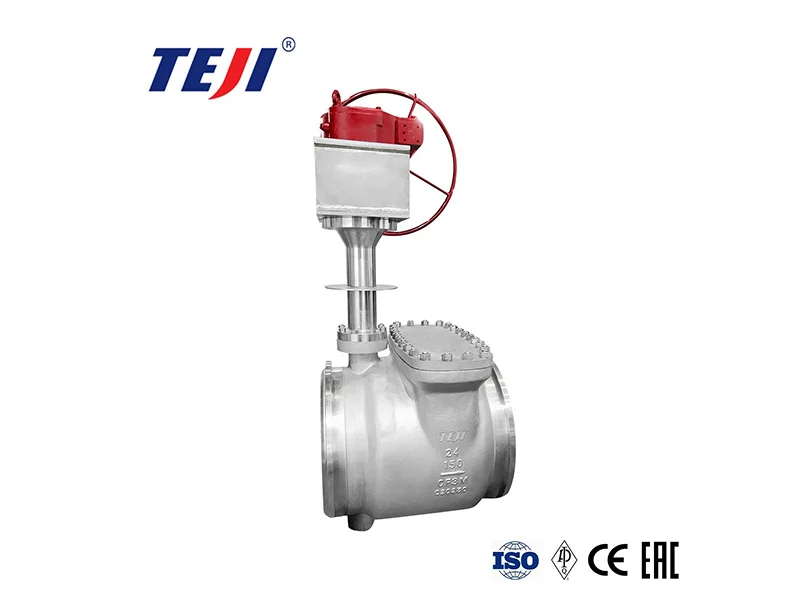
The strainer in the valve is an indispensable device on the pipeline for conveying media. It is usually installed at the inlet end of equipment such as pressure reducing valves, pressure relief valves, and water level control valves. The main function is to achieve physical separation of solid-liquid or gas-solid media, and can block impurities and particles from entering related equipment to prevent accidents such as blockage caused by impurity accumulation.
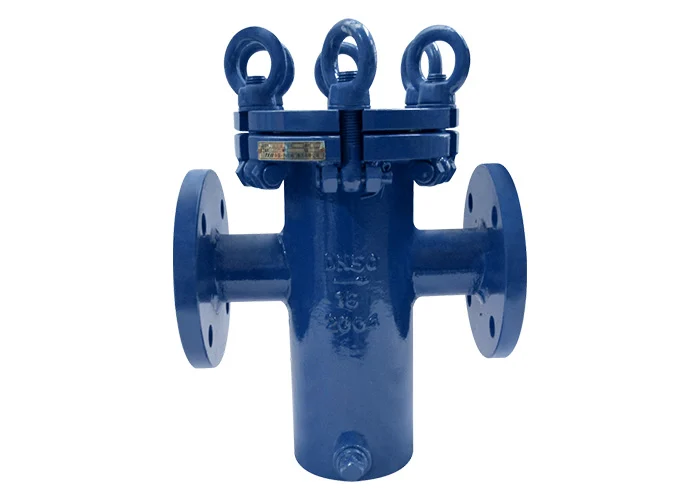
Strainer structure composition
It is generally composed of a cylinder, a stainless steel filter, a sewage discharge part, a transmission device and an electrical control part. After the water to be treated passes through the filter cartridge of the filter screen, impurities will be blocked. When cleaning is required, just take out the detachable filter cartridge and reinstall it after treatment. It is extremely convenient to use and maintain.
What is the difference between strainer and filter?
On the surface, strainers and filters are very similar. But in-depth and detailed research can help to discover the difference between them.
| Comparison Dimensions | Strainer | Filter |
| Definition and Essence | An indispensable independent device on the medium conveying pipeline, integrating multiple functional components | It is the core component of industrial filtration devices and is often used as part of the strainer. |
| Structural composition | It consists of a cylinder, a stainless steel filter, a sewage discharge part, a transmission device and an electrical control part. | Mainly made of stainless steel, nylon and other materials, with single-layer or multi-layer edging structure, can be customized in round, rectangular and other shapes |
| Filtration accuracy | Removes particles smaller than 40 microns. | Removes particles larger than 40 microns. |
| Features | It can achieve physical separation of solid-liquid or gas-solid media, intercept impurities such as rust and sand, and prevent pipeline blockage or equipment wear; it has sewage discharge function and is easy to use and maintain; it can filter and pre-treat a variety of media | Focus on intercepting impurities of specific sizes; high temperature resistance, moisture resistance, and repeatable cleaning characteristics; direct filtration, simple process, and good air permeability |
| Maintenance method | The removable filter cartridge design allows the filter cartridge to be removed regularly for cleaning or replacement while other components are inspected and maintained. | Can be cleaned or replaced directly, some filters can be cleaned and reused according to usage |
| Quick Cleaning | Quick strainer cleaning requires less downtime. | It is not possible to clean the files quickly as it will consume a lot of time. |
As described in the table above, the role of strainer is to remove large and unwanted particles from liquids or gases to protect downstream equipment (such as pumps) from damage. Strainers come in a variety of shapes and sizes depending on the industry application. However, one thing all strainers have in common is their design to be easily removed and cleaned.
Since the equipment is designed to provide convenience when cleaning, less downtime is required to ensure optional functions.
Filters are ideal for removing larger harmful particles from liquids and gases, while filters are suitable for smaller particles. Filters are ideal when the media flowing through the system does not contain contaminants (even those as small as sand particles). In addition, most filters are reusable, but some need to be replaced regularly.
Another important difference between strainers and filters is the pressure of gases and liquids passing through the media. There is no pressure drop when liquid substances pass through the strainer. But if there is a pressure drop, it is likely because the equipment needs to be thoroughly cleaned or removed. In contrast, when substances pass through filters, whether they need to be cleaned or removed, there will be a significant pressure drop.
The above is the knowledge sharing about strainer. If you have the need to buy strainers, you can look for TEJI VALVE. Each TEJI valve is manufactured in strict accordance with relevant standards and customer requirements, and undergoes final inspection before shipment to ensure that the valve can operate safely under various complex working conditions.